Top Ant Control Products for Homes and Businesses

Ants rarely appear without a reason. A trail beside the kitchen sink may lead to a damp cabinet, a pet-food bowl, or a crack behind the baseboard. Effective ant control starts by identifying the species and tracing that trail—not by buying the strongest-looking product. Different ants respond to different approaches, and a treatment that works outdoors may be unsuitable near food-preparation areas.

University of Kentucky entomologist Dr. Michael Potter has discussed the importance of understanding pest behavior when managing household insects. Paraphrasing that principle: “Follow the evidence, then choose a treatment that reaches the source.” It is a useful reminder, not a verbatim quotation. Baits, sprays, and exclusion products each have limits. Baits may take time to work; sprays can miss a hidden nest or disrupt baiting. Read and follow each product label, keep treatments away from children and pets, and seek a licensed professional when an infestation persists.

Details matter. Note where ants enter, what they are eating, and whether activity changes after cleaning or sealing a gap. A small notebook can help reveal patterns. Not every case is straightforward. Misidentifying a trail is easy, and one quiet day does not prove the colony is gone. This guide compares leading ant control products for homes and businesses, focusing on their uses, practical trade-offs, and safety considerations. The goal is informed selection, not a one-product promise.
Top Ant Control Products for Homes and Businesses

Understanding Ant Infestations in Homes and Businesses

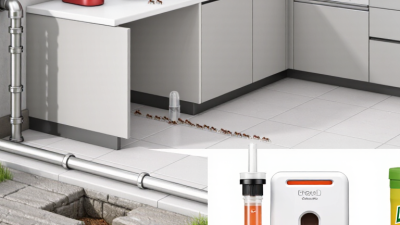
Ants usually enter homes and businesses for food, moisture, or shelter. A few workers near a sink may point to a larger trail behind a wall or under a floor edge. Look for entry gaps, damp wood, crumbs beneath appliances, and sweet residue around bins. Follow trails without disturbing them too much. They can reveal where ants travel, though not always where the nest is.

The right control product depends on the ant species and the location of the activity. Baits can work when workers carry them back to the colony, but sprays may disrupt feeding and scatter some ants. Read the label carefully, place products away from food-preparation surfaces, and keep them inaccessible to children and pets. In a shop or kitchen, check storage areas and drains as well as visible counters. Clean spills promptly and fix leaks; otherwise, ants may return.

Small details matter. A line of ants beside a window may come from a branch touching the building, while indoor sightings can reflect a hidden nest. Still, one clue can mislead. If activity continues after sanitation and careful product use, document where and when ants appear, then seek a qualified pest professional. The pattern may change with weather, building conditions, or the food available nearby.

Main Types of Ant Control Products

Ant control products work best when matched to the ants’ behavior and the place they appear. Bait stations and liquid or gel baits let worker ants carry food back toward the colony. They can take several days to reduce activity, so patience matters. Keep bait away from children, pets, food, and cleaning routines. Sprays can quickly treat visible ants or entry points, but spraying near bait may stop ants from reaching it. That mistake is easy to make.

Dusts are designed for dry, hard-to-reach gaps, such as wall voids or spaces around pipes. Use only a light amount where the product label allows; piles of dust are not more effective. Contact sprays and residual treatments may suit certain surfaces, but kitchens and food-service areas need careful product selection and application. Sticky traps can help reveal where ants travel, though they rarely solve a colony problem by themselves.

Tips: Wipe up crumbs and sugary spills, then follow the ant trail to likely entry points. Place baits along active routes, not directly on food-preparation surfaces. Check labels for indoor use, target pests, and re-entry instructions. If activity continues, reassess the ant type and moisture sources; the first product choice may not have been right.

Top Ant Control Products for Homes and Businesses - Main Types of Ant Control Products

Product Type How It Works Common Uses Key Benefits Considerations
Ready-to-use bait stations Worker ants feed on bait and may carry it back to the colony, where other ants may consume it. Indoor areas such as kitchens, utility rooms, and other locations where ants are seen. Enclosed stations help contain the bait and make placement straightforward. Place near ant trails, following the product label. Keep away from children, pets, food, and food-contact surfaces.
Ant bait gel A food-based bait mixed with an active ingredient attracts feeding ants; workers may share it within the colony. Small cracks, crevices, and other protected locations identified on the label. Can be placed precisely in areas where ants travel or forage. Use only in permitted locations and avoid applying where food is prepared or where people or pets can contact it. Do not spray over bait placements.
Granular ant bait Foraging ants collect or feed on bait granules and may transport food back toward the nest. Outdoor areas such as lawns, landscaped beds, and other sites specified on the label. Useful for treating outdoor foraging areas over a broader space than spot-applied gels. Use only as directed for the site and ant species. Keep granules out of drains, waterways, and areas accessible to children or pets.
Liquid residual insecticide Leaves a treated surface that can affect ants that contact it, depending on the product and application. Label-approved exterior perimeter or other specified surfaces. May help manage ants moving across treated areas when applied according to directions. It does not necessarily eliminate a colony. Avoid food, food-contact surfaces, and areas where runoff could reach water.
Insecticidal dust Fine particles affect insects that contact them; some formulations are intended for dry, enclosed spaces. Specific wall voids, cracks, or other sites listed on the product label. Can reach certain inaccessible voids when applied correctly. Apply only to approved sites and avoid creating airborne dust. Follow label precautions, including any required protective equipment.
Contact-kill spray Kills ants directly when the spray reaches them; some products also provide residual control on approved surfaces. Direct treatment of visible ants or label-approved surfaces. Can provide quick knockdown of ants that are directly contacted. Usually does not provide reliable colony control by itself. Spraying near bait can interfere with ants feeding on the bait.
Outdoor mound treatment A labeled bait, granule, or liquid treatment targets ants at or around an outdoor nest. Visible outdoor mounds or nesting sites, where the product label permits use. Allows treatment to be focused on a known outdoor nesting area. Ant species and nest location matter. Follow directions carefully and do not disturb treated areas until the label allows it.
Non-chemical exclusion supplies Sealants, door sweeps, and screens block common entry points rather than killing ants. Gaps around pipes, doors, windows, and other building openings. Helps reduce access to indoor spaces and supports longer-term prevention. Inspect for moisture, food residues, and other conditions that attract ants; exclusion may need to be combined with other control methods.

Practical note: Identify the ants and follow the product label for the intended site, application rate, and safety precautions. Store all products in their original containers and out of reach of children and pets. For persistent or widespread activity, consider a qualified pest-management professional.

How Ant Control Products Work

Ant control products work by targeting different parts of a colony. Baits combine food with a slow-acting insecticide; foraging workers carry them back and share them with nestmates, including the queen. The delay is intentional. It gives the bait time to move through the colony before exposed ants die. The University of California Statewide IPM Program recommends placing bait near active trails and allowing time for control; spraying those trails can interfere with baiting. That delay matters.

The National Pest Management Association’s 2023 Bugs Without Borders survey reported that 54% of U.S. respondents had encountered ants in their homes during the previous year.

That makes correct placement practical, not cosmetic: a bait station beside a visible trail is often more useful than one tucked far away. Contact sprays act faster on ants they reach, while residual products can leave a treated surface; neither necessarily reaches a hidden nest. Dust formulations may suit dry wall voids, but only where the product label permits. Even careful placement can miss the colony. Seal entry gaps, wipe up food residue, and follow label directions; using several products at once can undermine a baiting plan.

Choosing Products for Different Settings and Ant Species

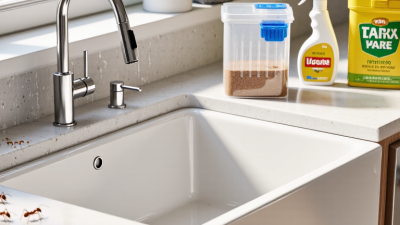
Choosing an ant product starts with identifying the setting and species. The National Pest Management Association’s 2023 Bugs Without Borders survey found that 58% of pest professionals named ants as their most commonly encountered pest. That figure signals how often ants appear, but it cannot tell you which treatment fits a particular colony. Species matter. Tiny trails near a sink may point to sugar-seeking ants, while coarse sawdust beside damp wood calls for a carpenter-ant inspection, not just a bait station.

For kitchens and food-service areas, use tamper-resistant bait stations or other products specifically labeled for those sites. Place baits beside active trails, away from food and routine cleaning. In homes, gel baits can suit narrow cracks; keep them inaccessible to children and pets. The University of California Statewide Integrated Pest Management Program advises matching control to ant behavior and avoiding sprays that can disrupt bait feeding. Outdoors, use only products labeled for the target species and site; mound treatments and broadcast baits are not interchangeable. This is easy to misjudge. Ant trails shift, and a product that worked last season may fail when the colony or food source changes. Follow the label, monitor activity, and reassess before applying more.

Top Ant Control Products for Homes and Businesses

Compare common product types by their typical fit for indoor homes, commercial interiors, and outdoor perimeters. Scores are qualitative guidance—not measured efficacy—and suitability depends on the product label, placement, and ant species.

Enclosed stations and gel baits are commonly used indoors; granular baits are intended for labeled outdoor use. Baits can work well for species such as Argentine and odorous house ants, but feeding preferences vary. Pharaoh ants are especially sensitive to repellent treatments, so bait-based control is often preferred. In food-handling areas, follow all label directions and applicable regulations.

Safe Use, Monitoring, and Long-Term Prevention

Ant control works best when products support careful inspection, not replace it. The National Pest Management Association identifies ants as a leading nuisance pest in U.S. homes, making routine monitoring worthwhile. Check under sinks, along window frames, and beside pet bowls for trails, shed wings, or fine debris. Note where ants enter and when activity peaks. A simple dated log can reveal patterns that a quick spray might hide. Even experienced homeowners can miss a second entry point.

Choose baits or other labeled products according to the ant species and the label’s directions. Keep them away from children, pets, food, and food-preparation surfaces. Never mix products or apply them more often than directed. Baits can take several days to work; spraying directly over bait may deter ants from feeding. Remove crumbs, wipe sticky spills, seal dry goods, and repair dripping pipes. These steps reduce food and water sources, though they will not solve every infestation. Persistent activity near walls or electrical equipment deserves professional assessment.

Tips: Place monitoring stations beside—not on—visible trails, and check them weekly. Photograph activity and record changes. If ants disappear, keep checking; a quiet week is not proof the route is gone.

chevron-right