How to Choose the Most Effective Bed Bug Treatment

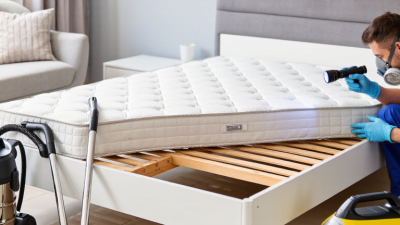
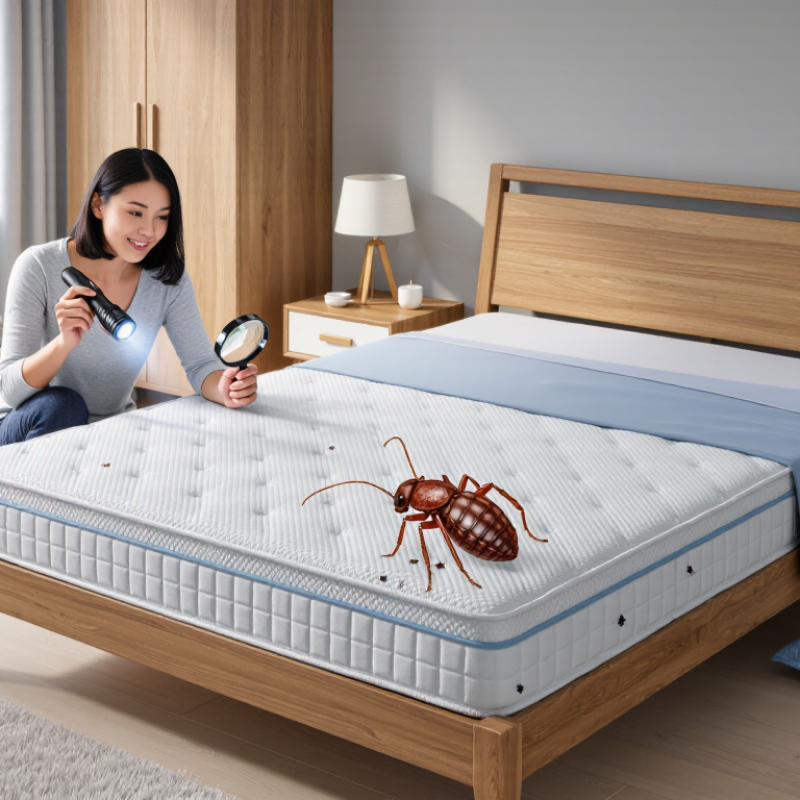
Choosing the most effective bed bug treatment starts with confirming what you are dealing with. Small reddish-brown insects, shed skins, and dark spots along mattress seams can offer clues, but bites alone are not reliable evidence. Skin reactions vary, and other pests can leave similar marks. Look carefully. A flashlight, a magnifying glass, and a slow inspection of bed-frame joints can help reveal activity. When signs remain unclear, ask a qualified pest management professional to inspect the room.

Treatment depends on the size of the infestation, the rooms involved, and the home’s conditions. Options may include careful vacuuming, laundering and drying suitable fabrics, mattress encasements, targeted products, or professional heat treatment. No single approach suits every home, and some methods need to be repeated. That matters. A quick spray may seem reassuring, yet using a product outside its label directions can create risks and may leave hiding places untreated. Read instructions closely, and keep children and pets away as directed.

This guide explains how to compare treatment options, judge when professional help is warranted, and reduce the chance of missing bed bugs in nearby rooms. It also considers practical details, such as whether an item can safely go in a dryer or whether furniture must be moved for inspection. Even a careful plan can miss something; that is worth admitting. Persistent signs call for reassessment, not guesswork or repeated, unplanned product use. The right choice is the one that fits the evidence, follows safety instructions, and can be carried out thoroughly.
How to Choose the Most Effective Bed Bug Treatment

Confirm the Pest: EPA Puts Adult Bed Bugs at About 5–7 mm

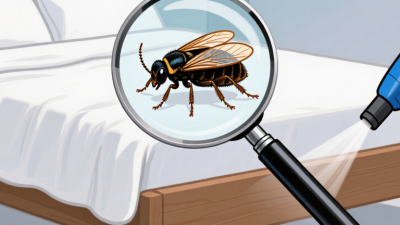
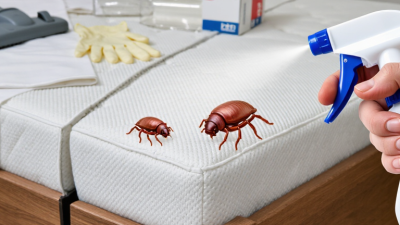
Before choosing a bed bug treatment, confirm what you are seeing. The U.S. Environmental Protection Agency’s guide, Bed Bugs: Get Them Out and Keep Them Out, puts adult bed bugs at about 5–7 mm long—roughly the size of an apple seed. Adults are flat and reddish-brown; after feeding, they may appear rounder and darker. Size helps, but it is not proof. Young bed bugs are smaller and paler, and other insects can be mistaken for them.

Use a bright flashlight to inspect mattress seams, bed-frame joints, screw holes, and nearby baseboards. Look for live insects, shed skins, tiny eggs, and dark spotting. The University of Minnesota Extension’s bed bug guidance describes these signs as useful clues, but a single stain can mislead. It is easy to overread one mark. If the insect is intact, compare its shape and size with reliable extension or EPA identification images before selecting a treatment.

Correct identification matters because treatment methods vary, and misidentification can waste time and expose people unnecessarily. EPA guidance recommends an integrated approach rather than relying on one spray: inspection, targeted cleaning, and appropriate treatment may all be needed. Keep any suspected insect in a sealed container or clear photograph for identification. That small step can prevent a costly guess.

Compare Options: EPA Says 30 Minutes on High Heat Kills Bed Bugs and Eggs

When comparing bed bug treatments, start with items that can safely go in a dryer. The U.S. Environmental Protection Agency says 30 minutes on high heat kills bed bugs and their eggs. Use the dryer’s high-heat setting, and check care labels first; delicate fabrics may shrink or suffer damage. A wash cycle alone may not provide the same result. Keep treated items separate from untreated laundry, and avoid carrying loose clothes through rooms where bugs may be hiding. Small details matter, like the seams of a backpack or the cuffs of a jacket.

Heat treatment for laundry is useful, but it does not treat a whole room. The National Pest Management Association’s 2018 Bugs Without Borders survey reported that 97% of pest professionals had treated bed bugs in the prior year, and 68% called them the most difficult pest to control. Those figures describe professionals’ experience, not a guarantee about any particular home. I would not rely on one dryer load as proof the problem is gone. Check labels, avoid overloading the drum, and consider which items cannot safely handle high heat. A little uncertainty remains: overlooked belongings can still complicate the job.

How to Choose the Most Effective Bed Bug Treatment — Compare Options: EPA Says 30 Minutes on High Heat Kills Bed Bugs and Eggs

Treatment option What it can do Best suited for Limitations and precautions Practical effectiveness
Clothes dryer on high heat EPA guidance states that items placed in a dryer on high heat for 30 minutes can kill bed bugs and their eggs. Dryer-safe clothing, bedding, and other small washable items. Check care labels, avoid overloading so heat can circulate, and keep treated items sealed or separated from infested areas. Highly useful for treating suitable items; it does not treat an entire room or mattress.
Professional whole-room heat treatment Raises temperatures throughout treated spaces and belongings to levels intended to kill bed bugs in hiding places. Established infestations involving multiple rooms or many hiding places. Requires specialized equipment and careful monitoring. Heat-sensitive belongings may need protection, and follow-up inspections may still be needed. Can be effective when the entire treatment area reaches the required conditions; results depend on proper coverage and monitoring.
Steam treatment Can kill bed bugs and eggs that receive sufficient direct heat from the steam. Seams, cracks, upholstered furniture, and other suitable surfaces. Steam may not penetrate deeply or reach hidden insects. Use suitable equipment carefully and avoid damage from heat or moisture. Useful as a targeted treatment, but usually not sufficient as the only method for a widespread infestation.
Vacuuming Can physically remove visible bed bugs and some eggs from accessible areas. Reducing insects on mattress surfaces, floors, and furniture before other treatments. Does not reliably remove every insect or egg. Immediately seal and dispose of vacuum contents so insects cannot escape. Helpful for reducing numbers, but not a stand-alone eradication method.
Mattress and box-spring encasements Trap bed bugs already inside and reduce hiding places; a properly installed encasement can make inspection easier. Protecting mattresses and box springs after inspection and cleaning. Use purpose-made, intact encasements and keep them in place as directed. Encasements do not eliminate bed bugs elsewhere in the room. Useful as part of an integrated plan, not a complete treatment on their own.
Insecticide products Some products labeled for bed bugs can kill insects when applied to permitted locations according to the product label. Specific cracks, crevices, or other sites expressly listed on the label. Use only products registered for the intended use and follow all label directions. Never apply pesticides to people, pets, bedding, or clothing unless the label specifically permits it. Effectiveness varies by product, application, and insect resistance; typically one component of a broader plan.
Integrated pest management Combines inspection, laundering or heat, physical removal, clutter reduction, monitoring, and—when appropriate—careful pesticide use. Most infestations, especially when bed bugs may be present in several locations. Requires coordinated steps and follow-up checks. Reinspect sleeping areas and monitor for continuing activity. Generally the most reliable approach because it addresses multiple life stages and hiding places rather than relying on one method.

Important: Dryer heat applies to suitable items, not to an entire infestation. Follow fabric care instructions and product labels, and seek qualified pest-management help for persistent or widespread activity.

Plan Integrated Control: NPMA Reports 68% of Pros Find Bed Bugs Hardest to Treat

How to Choose the Most Effective Bed Bug Treatment

Bed bugs are difficult to eliminate because they hide in mattress seams, bed frames, and tiny wall gaps. The National Pest Management Association reports that 68% of pest professionals consider them the hardest pest to treat. That figure points to a practical lesson: one quick spray or a single room check may miss the problem. The U.S. Environmental Protection Agency recommends integrated pest management, which combines careful inspection, monitoring, and appropriate treatment. Ask a qualified professional to explain the plan, what will be treated, and when follow-up checks will happen. No single visit guarantees success.

Tips: Before treatment, bag bedding and clothing as directed, and avoid moving items into other rooms. Note where you spot live insects or dark spotting, such as along a headboard seam. Afterward, use interceptor traps or other monitoring methods recommended by your technician. Small details matter.

Effective control takes coordination and patience. Follow the preparation instructions closely, and report new signs promptly. It can be frustrating to repeat inspections, especially when bites or sightings seem to stop. Still, stopping too early may leave hidden insects behind. Ask what evidence will show that activity has ended, and keep a simple dated record of sightings and checks.

How to Choose the Most Effective Bed Bug Treatment

Plan integrated control: NPMA reports that 68% of pest management professionals find bed bugs the hardest pests to treat.

The finding highlights why bed bug control often calls for an integrated approach, combining appropriate treatment methods with follow-up monitoring.

Check Pesticide Safety: Follow EPA-Registered Product Labels

When comparing bed bug treatments, check the pesticide label before buying or applying anything. An EPA registration number shows that a product has been reviewed for its stated uses; it does not mean the product is harmless. Read the full label, including the fine print. Confirm that it specifically lists bed bugs and the intended indoor location. A product meant for outdoor use may not be suitable inside a bedroom. Labels matter.

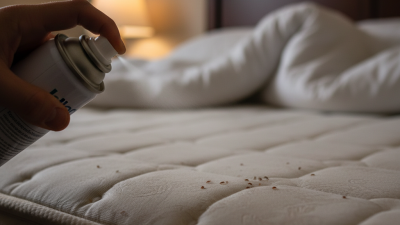
Follow the directions for application, protective equipment, ventilation, and re-entry. If the label does not permit use on a mattress, do not spray one. Keep children and pets away for the period stated, and store the container securely afterward. More is not better. Applying extra pesticide can increase exposure without improving control. Never mix products unless the label explicitly instructs you to do so.

Take a moment to check the treated area, too: bed frames, cracks, and nearby furniture may have different restrictions. It is easy to miss a small instruction when you are tired and worried about bites. I would reread the label before each application rather than rely on memory. If directions are unclear, pause and ask a qualified pest-control professional or contact the relevant safety authority.

Set Follow-Up Checks: EPA Says Bed Bugs May Survive Months Without Feeding

Bed bug control is a process, not a single treatment. The U.S. Environmental Protection Agency notes that bed bugs can survive several months without feeding. A quiet room for a few days is not proof they are gone. Eggs may also hatch after an initial visit, so follow-up checks matter.

Plan an inspection around 10–14 days after treatment, then check weekly for several weeks, following the pest professional’s advice. Look closely at mattress seams, bed-frame joints, screw holes, and the headboard. Check nearby baseboards, too. Use a flashlight, and note any live insects, shed skins, or dark spotting. Keep a log. These signs can be easy to miss, especially in cluttered rooms.

The National Pest Management Association’s 2018 Bugs Without Borders survey found that 97% of surveyed pest professionals had treated bed bugs in the previous year. That figure shows how commonly professionals encounter them, but it does not predict how quickly one home will be clear. If signs persist, report exactly where and when you found them; a missed seam can change the next inspection. The EPA’s guidance supports continued monitoring, rather than relying on the absence of bites alone.

chevron-right