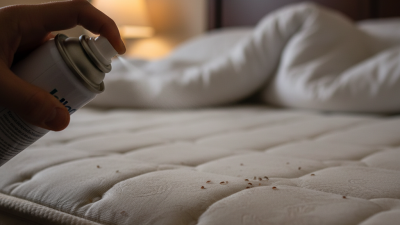
Top 10 Best Bed Bug Treatment Products?

Choosing the best bed bug treatment is rarely as simple as picking the strongest-looking spray. Bed bugs hide in mattress seams, bed frames, baseboards, and tiny gaps near sleeping areas. A product that helps on one surface may be unsuitable for another. Some treatments target exposed insects, while others are designed for cracks or longer-lasting control. The label matters.

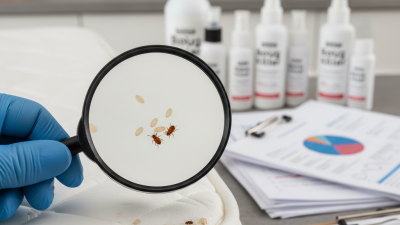
This guide compares ten bed bug treatment products by their intended use, application method, and practical limitations. It also considers whether a product is suitable for mattresses, furniture, or room surfaces, where the manufacturer’s directions allow. No product should be treated as a guaranteed fix. Bed bugs can hide beyond the treated area, and eggs may survive some applications. That part is frustrating. Follow the full label, including ventilation, re-entry, and repeat-treatment instructions. Never apply a product to skin or bedding unless its directions explicitly permit it. For a suspected infestation, confirm the signs before treating; dark spots, shed skins, and live insects can provide useful clues. Laundering and careful vacuuming may support a control plan, but they do not replace appropriate treatment. When activity continues, or the infestation is widespread, a qualified pest-management professional can assess the space and explain realistic options. The right choice depends on the product, the room, and the problem—not just its ranking.
Top 10 Best Bed Bug Treatment Products?

Understanding How Bed Bug Treatment Products Work

Bed bug treatment products work in different ways, so the label matters more than a bold promise. Some products kill bugs on contact; others leave a residue that affects insects after they cross a treated surface. Dusts can reach narrow cracks, while certain sprays are intended for specific surfaces. No single method reliably reaches every hiding place.

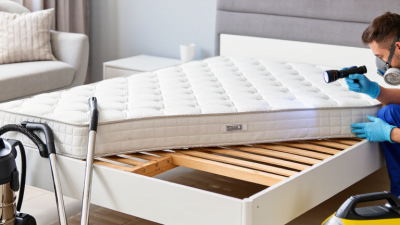
Bed bugs often shelter in mattress seams, bed frames, and gaps near the headboard. A product applied only to open floor space may miss them. Follow the label exactly, including instructions about ventilation, treated areas, and when a room can be used again. Never apply a product to skin or bedding unless its label specifically permits it. Keep children and pets away as directed.

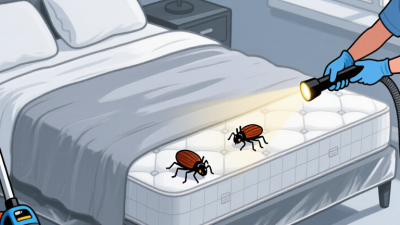
Small details matter. A flashlight can reveal dark spotting along a seam, but it cannot confirm every suspected sign. Treatment may also fail when eggs hatch later or bugs remain in an untreated crack. That part is frustrating. Inspect regularly, avoid mixing products, and consider a licensed pest professional when activity continues or the infestation is widespread. A careful plan beats a quick guess.

Key Factors for Comparing Bed Bug Treatments

Top 10 Best Bed Bug Treatment Products? Key Factors for Comparing Bed Bug Treatments

The “best” bed bug treatment depends on evidence, infestation size, and room conditions. The NPMA’s 2018 Bugs Without Borders survey reported that 97% of pest professionals treated bed bugs during the previous year. This shows how common the problem remains. Compare products by active ingredient, life-stage coverage, residual effect, and application method. Contact sprays may kill exposed adults quickly. They often miss eggs hidden inside seams, cracks, and bed frames. Desiccant dusts can work slowly by damaging the insect’s outer layer. They require careful placement and dry conditions. Heat treatment reaches concealed areas more consistently, but it needs trained monitoring and suitable equipment.

Safety matters as much as speed. The U.S. Environmental Protection Agency advises using only registered products and following every label direction. A product claiming “complete control” deserves closer inspection. Resistance can also reduce results. A 2023 scientific review in Insects reported widespread insecticide resistance among bed bug populations, especially against older chemical classes. This makes rotating control methods sensible. Still, resistance findings vary by location, so one study cannot predict every home.

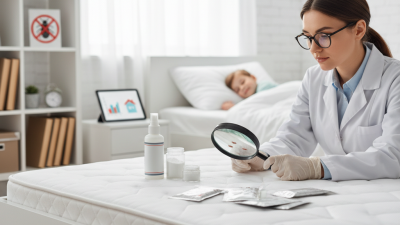
Tips: Inspect mattress piping with a flashlight. Wash and dry fabrics on the hottest safe setting. Use certified encasements with secure zippers. Avoid excessive spraying. More product does not mean better control. Document live sightings before treatment, then recheck after seven to fourteen days. Even careful plans can fail when neighboring rooms remain untreated. That limitation is easy to overlook.

Ten Bed Bug Treatment Products and Their Main Uses

Top 10 Best Bed Bug Treatment Products?

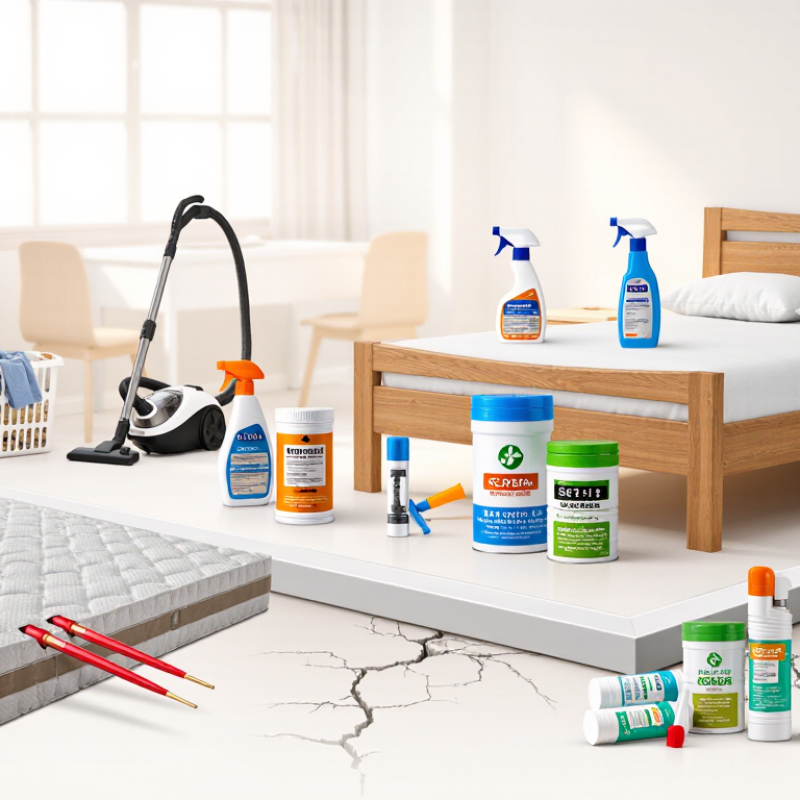
Effective bed bug control usually combines several products, because insects hide in narrow seams and dark crevices. Mattress encasements seal mattresses and box springs, preventing new hiding places. Bed bug interceptors fit beneath furniture legs and reveal climbing activity. A vacuum with a narrow nozzle removes insects, eggs, and shed skins from seams. A steam treatment machine can kill exposed bugs when its surface reaches a suitable temperature.

Useful tools continue beyond visible cleaning. A portable heat chamber treats luggage, shoes, and small household items without applying chemicals. A hot clothes dryer can treat washable fabrics when used according to care instructions. Desiccant dust damages insects by removing body moisture, but it must remain dry and be applied only as the product label permits. Contact sprays kill bugs reached directly, while residual sprays leave a treated surface for later contact. Do not spray mattresses or clothing unless the label specifically allows it.

The tenth option is a monitoring trap, which helps confirm activity after treatment. Monitoring matters because bites alone cannot prove an infestation. Professional inspections often use visual evidence, traps, and careful questioning.

No product works perfectly alone. Overusing spray can scatter bugs into nearby rooms, which is a common mistake. Follow local regulations, protect children and pets, and consider a licensed pest professional when activity continues. My practical view is cautious: repeated inspection is less dramatic, but often more reliable than one aggressive application.

Safe Application and Practical Limitations

Bed bug treatment products work best as part of a careful plan, not as quick fixes. Before using any spray, dust, or trap, read its full label and confirm it is intended for the surface and location. Keep children and pets away as directed. A mattress seam may tolerate a product that is unsuitable for bedding or clothing. Never apply more than the label permits.

Preparation matters. Wash and dry washable fabrics using the hottest settings they can safely tolerate, then seal clean items in bags. Vacuum seams, bed frames, and nearby floor edges; empty the vacuum outdoors into a sealed bag. Traps beneath bed legs can help monitor activity, but they do not eliminate an infestation. Some products affect only insects they reach, while eggs or bugs hidden in wall gaps may remain. That part is frustrating.

Avoid mixing products or spraying repeatedly because activity continues for a few days. More is not better. Give treated areas the required drying or ventilation time, and keep a simple record of sightings and treatment dates. If bites or live bugs continue, or the infestation involves several rooms, a licensed pest professional can identify hiding places and discuss safer next steps. Even careful treatment can miss a narrow crack behind a loose baseboard. I have to admit, that possibility is easy to overlook.

Top 10 Best Bed Bug Treatment Products? - Safe Application and Practical Limitations

Treatment product Typical role Practical strengths Limitations and safe-use notes
1. Silica-gel dust Desiccant insecticide for cracks, crevices, and other labeled locations. Can remain active while dry and may work against insects resistant to some conventional insecticides. Use only a product labeled for bed bugs and apply a very light layer where the label permits. Avoid creating airborne dust or applying it to exposed surfaces, bedding, or skin unless explicitly allowed by the label.
2. Diatomaceous-earth insecticide dust Desiccant dust used in selected dry, undisturbed hiding places. Can provide a non-repellent physical mode of action when insects contact the treated area. Only use pesticide-grade products labeled for bed bugs; pool or filter-grade material is not a substitute. Dust can irritate the respiratory tract, so avoid inhalation and follow label precautions. Results may be slow.
3. Labeled residual insecticide spray Targeted treatment of listed cracks, crevices, and furniture locations. Can leave a residual on approved surfaces and reach some places that are difficult to treat mechanically. Effectiveness varies with the active ingredient, bed bug resistance, and application quality. Do not spray people, pets, or sleeping surfaces unless the label specifically permits it; keep occupants away as directed.
4. Aerosol crack-and-crevice insecticide Directed application into accessible, labeled gaps and crevices. Useful for precise application to some narrow locations when used according to the product directions. Spray may not reach hidden insects or eggs. Avoid inhalation, ignition sources, and overspray; do not use as a room-wide fog unless specifically directed by the label.
5. Insect growth regulator product A supplemental treatment that disrupts development or reproduction, depending on the active ingredient. May support an integrated treatment plan alongside measures that kill exposed bed bugs. Usually is not a stand-alone solution for an active infestation and may not quickly kill adults. Check that the product is labeled for bed bugs and for the intended site.
6. Bed-bug-labeled contact spray Treatment of insects directly contacted on surfaces approved by the label. Can kill some exposed insects when the product is applied as directed. Provides little or no control of insects hidden out of reach and may have limited residual effect. Direct contact is not a reason to spray bedding or people unless the label expressly allows it.
7. Mattress and box-spring encasements Protective covers that fully enclose mattresses or box springs. Can trap bed bugs already inside and reduce hiding places; smooth surfaces can make inspection easier. Not a pesticide and will not eliminate bugs elsewhere in the room. Use a bed-bug-resistant, properly fitted cover and keep it intact and closed for the period recommended by a qualified professional or applicable guidance.
8. Bed-leg interceptor cups Passive monitoring and trapping beneath bed legs. Can help detect activity and reduce some bed bugs reaching an isolated bed. Not a complete treatment. Keep the bed from touching walls or other furniture, prevent bedding from contacting the floor, and check traps regularly.
9. Portable steam cleaner Non-chemical heat treatment for suitable seams, cracks, and fabric surfaces. Steam can kill bed bugs and eggs that receive adequate heat; it leaves no pesticide residue. Slow, careful treatment is needed, and steam may not penetrate deeply into dense materials. Test surfaces first, avoid electrical hazards and burns, and use a diffuser to limit forceful air movement that could scatter insects.
10. Clothes dryer and washable-item treatment Heat treatment for compatible clothing, bedding, and other washable items. A hot dryer cycle can kill bed bugs in suitable items; laundering can also remove insects and debris. Follow fabric-care instructions and use a sufficiently hot, complete dryer cycle when the item permits. This does not treat furniture or the room; transfer treated items into clean, sealed bags to avoid re-infestation.

Safety note: No single product is a reliable solution for every infestation. Identify the pest, follow the product label and local regulations, and combine appropriate treatment with inspection, cleaning, monitoring, and prevention. For persistent or widespread infestations, consider a licensed pest-management professional.

When to Combine Products with Professional Pest Control

Bed bug products can help, but they rarely solve a heavy infestation alone. The National Pest Management Association’s 2022 Bugs Without Borders survey found that bed bugs remain a persistent challenge for pest professionals across the United States. A few itchy bites or dark spots on a mattress seam may signal activity, but they do not reveal how widespread it is. Bed bugs also hide in screw holes, bed frames, and nearby furniture. That is where a single spray often falls short. The U.S. Environmental Protection Agency recommends an integrated approach that combines inspection, monitoring, and appropriate treatment. For a confirmed infestation, consider professional pest control when bugs appear in several rooms, return after careful treatment, or keep turning up in monitoring traps.

Tips: Before a technician arrives, wash and dry bedding on the hottest safe settings, then seal clean items in bags. Don’t move untreated belongings to another room; that can spread the problem. Ask the professional to explain the treatment plan, follow-up visits, and preparation steps. Take photos of sightings and note their locations. Small details matter.

I’ve seen people spend money on multiple products before getting an inspection. It’s understandable, but not always effective. Some products may miss eggs or hidden insects, and misuse can create avoidable exposure. Choose products labeled for bed bugs and the intended surface, and follow every label direction. If children, pets, or sensitive occupants live in the home, mention that before treatment. The right combination depends on the infestation, not the product count.

Top 10 Bed Bug Treatment Product Types

Bed bug control works best as an integrated pest management plan. Encasements, interceptors, vacuuming, steam, heat, and registered insecticide products address different parts of an infestation. Professional pest control is recommended when the infestation is widespread, recurring, located in multiple rooms, or persists after careful treatment.

The chart uses a practical IPM utility score from 1 to 5, reflecting how strongly each product type supports a complete treatment plan—not a guaranteed efficacy ranking. Always follow the product label and local regulations.

chevron-right