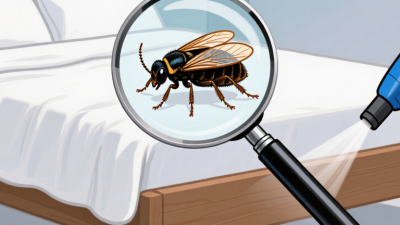
What Is Bed Bug Treatment and How Does It Work?
Bed bug treatment is a planned process for finding, controlling, and preventing bed bugs in living spaces. These pests hide in mattress seams, bed frames, sofa joints, and tiny wall cracks. Their bites may appear in lines or clusters, but bites alone cannot confirm an infestation. A careful inspection matters more than guesswork.
Effective treatment often begins with evidence, such as shed skins, dark fecal spots, eggs, or live insects. Trained professionals may use heat, targeted products, vacuuming, steam, or a combined integrated pest management approach. The chosen method depends on room size, infestation level, furniture, and household needs. Treatment products should always be used according to their approved labels. Children, pets, and sensitive residents may require additional precautions.
Preparation can include washing fabrics, reducing clutter, and moving furniture away from walls. Hot washing and drying may help remove bugs from suitable items. Still, one visit may not solve everything. Bed bugs can survive in overlooked locations, and eggs may hatch after the first service. Follow-up inspections are therefore important. No single method is perfect.
A reliable provider should explain the findings, treatment plan, safety steps, and expected timeline clearly. Ask what evidence supports the diagnosis. Ask what happens if activity continues. Honest communication builds trust, although outcomes can vary between homes. This guide explains how bed bug treatment works, what residents may experience, and which practical details deserve careful attention.
What Bed Bug Treatment Involves
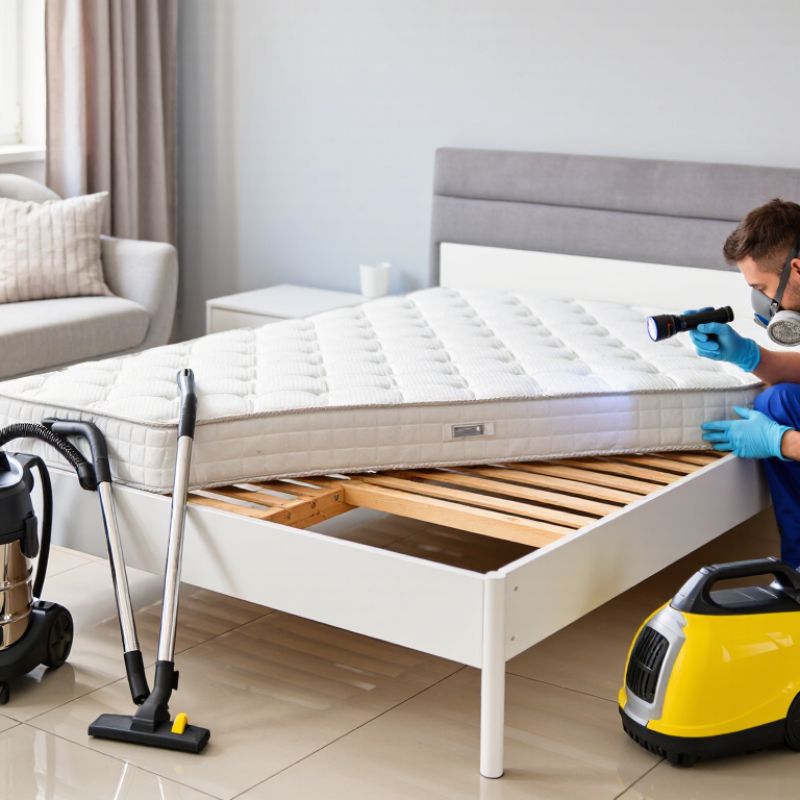
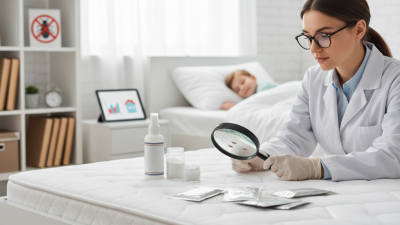
Bed bug treatment involves more than spraying a room. It begins with a careful inspection of mattresses, bed frames, sofas, cracks, and nearby belongings. Professionals look for live bugs, pale eggs, shed skins, and dark fecal marks. These details help confirm the infestation and identify hiding places. A reliable technician should explain the findings clearly and describe the proposed treatment.
Preparation is often demanding. Residents may need to reduce clutter, launder bedding, seal clothing, and move furniture away from walls. Treatment can involve targeted insecticide application, heat, vacuuming, or several methods together. Each approach has limits. Heat may miss well-insulated hiding spots, while chemical treatment may require repeat visits. Follow-up inspections matter because newly hatched bugs can appear after the first service. In my experience, rushed preparation often weakens otherwise careful work. That is worth reconsidering.
Tips: Wash fabrics using the hottest safe setting, then dry them thoroughly. Store clean items in sealed bags until treatment ends. Avoid moving belongings into another room, because bugs can spread. Do not rely on foggers or random household chemicals. They may scatter insects and create unnecessary safety risks. Keep a simple record of bites, sightings, and service dates. Share it with the technician. Consistent monitoring supports better decisions, even when early results feel disappointing.
How Bed Bugs Are Identified and Infestations Assessed
What Is Bed Bug Treatment and How Does It Work?
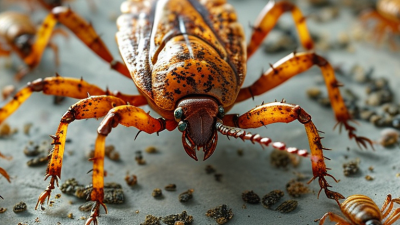
Bed bug treatment begins with accurate identification, not immediate spraying. A trained inspector looks for live insects, pale eggs, shed skins, and dark fecal spots. These signs often appear along mattress seams, bed frames, skirting boards, and nearby furniture. Bite marks alone are unreliable. Skin reactions vary widely, and some people show no reaction.
The 2018 Bugs Without Borders survey, published by the National Pest Management Association, reported that 97% of surveyed pest professionals had treated bed bugs during the previous year. This figure shows how common professional encounters are, but it does not prove every suspected case is an infestation. Inspectors should check sleeping areas, wall gaps, luggage storage, and adjoining rooms. In apartments, nearby units may also require assessment.
A single visual inspection can miss hidden eggs. That is an uncomfortable limitation.
Treatment works by combining inspection, targeted control, monitoring, and follow-up visits. Heat, carefully selected insecticides, vacuuming, and physical removal may be used according to site conditions. The correct method depends on infestation size, harborages, room temperature, and occupant safety. One visit may not be enough because eggs can survive an early treatment.
Tips: Use a bright flashlight and inspect mattress piping slowly. Do not move furniture into another room. Keep a dated photo record of suspicious evidence. A small, confirmed sample helps identification. Guessing wastes time.
Which Treatment Methods Target Bed Bugs
Bed bug treatment combines inspection, physical removal, heat, and carefully selected products. Each method targets a different part of the infestation. A trained professional checks mattress seams, bed frames, cracks, and nearby furniture. Small dark spots, shed skins, and live insects can reveal hidden activity. Finding one bug does not show the full problem.
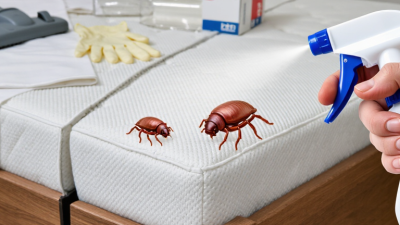
Heat treatment raises room temperatures high enough to kill bed bugs and their eggs. Technicians monitor temperature in several locations because cold pockets can protect insects. Steam works on seams, fabric edges, and narrow cracks. Its success depends on slow movement and direct contact. Vacuuming removes visible bugs and eggs, but it rarely reaches deep hiding places. It helps reduce numbers, not end an infestation.
Protective mattress encasements trap bugs and make future inspections easier. Interceptors placed beneath bed legs can catch insects moving toward the sleeper. Approved insecticides may target bugs in cracks, but misuse can spread them or create safety risks. Follow the product label exactly. Never treat skin, bedding, or air with unapproved chemicals.
No single method is perfect. That matters. Bed bugs may survive one visit, especially when clutter blocks access. Follow-up inspections often identify missed areas and newly hatched insects. Washing and drying fabrics on suitable high heat can support professional work. However, not every item can tolerate heat, so careless treatment may cause damage. Experienced technicians adjust the plan after each inspection.
| Treatment Method | How It Targets Bed Bugs | Life Stages Affected | Typical Application or Timeframe | Effectiveness Considerations | Important Safety or Use Notes |
|---|---|---|---|---|---|
| Heat Treatment | Raises the temperature of an infested room or enclosed items to a level that is lethal to bed bugs when maintained long enough. | Adults, nymphs, and eggs | Often completed in one day, but preparation and monitoring are required. The exact duration depends on room size, construction, and heat distribution. | High when properly performed Can reach bugs hidden in cracks and furnishings, but untreated areas may allow reinfestation. |
Heat-sensitive items, aerosols, plants, pets, and certain electronics may need to be removed or protected. Temperature must be measured in multiple locations. |
| Steam Treatment | Direct steam delivers lethal heat to bed bugs and eggs on surfaces, seams, edges, and other accessible hiding places. | Adults, nymphs, and eggs contacted directly | Used during targeted treatment of mattresses, box springs, furniture joints, baseboards, and cracks. | Moderate to high for contacted areas It does not provide lasting protection and cannot reliably treat deep or inaccessible voids. |
Move the nozzle slowly enough to deliver heat. Excess moisture can damage some materials, so surfaces should be tested first. |
| Insecticide Residual Spray | Leaves an active residue on approved surfaces. Bed bugs are exposed when they crawl across treated areas. | Usually adults and nymphs; egg control varies by active ingredient | May require repeated applications according to the product label and the bed bug’s development cycle. | Variable Results depend on correct identification, thorough placement, resistance patterns, and whether hiding sites are reached. |
Only use products specifically labeled for bed bugs and the intended indoor surface. Never apply pesticides to skin, bedding, or clothing unless the label expressly permits it. |
| Desiccant Dust | Damages the waxy outer layer of the insect, causing gradual water loss and death. It works physically rather than through conventional nerve poisons. | Adults and nymphs; eggs are generally less susceptible | Applied as a very thin layer in dry, inaccessible voids, cracks, crevices, and wall openings. It may remain active for a long period if kept dry. | High in suitable locations Useful for harborages that sprays cannot reach, but thick piles can be avoided by bed bugs and may reduce performance. |
Use only a product registered for pest control and follow the label. Avoid creating airborne dust and do not apply it broadly to exposed sleeping surfaces. |
| Freezing | Exposes infested movable items to sufficiently low temperatures for a sustained period, killing bed bugs through cold injury. | Adults, nymphs, and eggs when exposure conditions are adequate | Best suited to small, movable, dry items placed in a freezer that maintains a reliably low temperature. Treatment time depends on item density and temperature. | Moderate for suitable items Cold must penetrate the entire item; brief exposure or an overloaded freezer may not be reliable. |
Seal items before moving them to prevent spread. Moisture-sensitive, fragile, or temperature-sensitive materials may be damaged. |
| High-Temperature Clothes Dryer | Uses hot air to kill bed bugs on washable clothing, bedding, and other dryer-safe items. | Adults, nymphs, and eggs when items receive sufficient heat exposure | Place items directly into the dryer before moving them through the home. Use the hottest setting safe for the fabric and follow the appliance and garment instructions. | High for dryer-safe items Especially useful for reducing bugs on clothing and linens, but it does not treat furniture or room harborages. |
Do not overload the dryer. Items should be handled carefully after drying and stored in sealed bags or containers when practical. |
| Vacuuming | Physically removes visible bed bugs, cast skins, eggs, and debris from accessible surfaces. | Adults, nymphs, and eggs that are successfully collected | Can be repeated during inspection and follow-up cleaning, especially along seams, cracks, edges, and bed frames. | Useful as a supporting measure It rarely eliminates an infestation because many bugs remain hidden and eggs may be firmly attached. |
Empty or seal the vacuum contents immediately according to local disposal guidance. Avoid spreading infested items to clean areas. |
| Mattress and Box-Spring Encasements | Seals existing bugs inside a durable cover and removes common hiding places from the exterior surface. | Trapped adults, nymphs, and eggs; does not kill instantly | Keep fully sealed and intact for at least one year, while monitoring and treating the surrounding area as needed. | Effective as part of an integrated plan It prevents escape and new harborages but cannot address bugs elsewhere in the room. |
Use bed-bug-specific, tear-resistant encasements. Inspect regularly for rips and keep the encased mattress or foundation in place. |
| Bed-Isolation Measures | Uses interceptors, bed positioning, and removal of nearby clutter to reduce routes between the bed and surrounding harborages. | Targets crawling adults and nymphs attempting to reach or leave the bed | Maintained continuously during monitoring and treatment. Bed legs should be placed in functioning interceptors and kept away from walls and furniture. | Helpful for monitoring and bite reduction It does not eliminate bed bugs hidden in the room. |
Check interceptors regularly. Do not move to another sleeping area, because this can spread the infestation. |
| Fumigation or Whole-Structure Gas Treatment | Fills a sealed structure or treatment chamber with a gas that penetrates hidden spaces and kills exposed insects. | Adults, nymphs, and eggs, depending on the gas and exposure conditions | Requires specialized equipment, extensive preparation, evacuation, and professional clearance before re-entry. | Potentially comprehensive when professionally conducted It is highly regulated and is not a do-it-yourself treatment. |
Only licensed and authorized professionals should perform it. Occupants, pets, and plants must remain outside until the site is declared safe. |
How the Treatment Process Is Carried Out
Bed bug treatment is a structured process, not a single spray. A technician first interviews residents and inspects mattresses, bed frames, sofas, cracks, and nearby walls. They look for live insects, shed skins, dark fecal spots, and eggs. The inspection matters because bed bugs can hide within a few meters of a sleeping area. The National Pest Management Association’s Bugs Without Borders survey reported that 97% of pest professionals treated bed bugs during the previous year, showing how frequently careful identification is required.
Inspection comes first. Always.
The technician then chooses a method based on the infestation’s size, room design, and heat access. Heat treatment raises room temperatures high enough to kill insects and eggs, while targeted applications reach hiding places that heat may miss. The U.S. Environmental Protection Agency advises following product labels and using trained professionals for chemical treatments. During treatment, residents may need to remove pets, plants, food, and heat-sensitive items. Monitoring devices can be placed near beds afterward. These small details often determine whether hidden survivors are detected.
Follow-up is essential. The University of Minnesota Extension recommends repeated inspections because eggs may hatch after the first visit. Technicians may return after roughly two weeks, depending on the method and evidence found. A room can look clean and still contain one unnoticed insect. That is the uncomfortable part. Treatment is not always perfect on the first attempt, especially when clutter blocks inspection. Careful preparation, documented findings, and honest communication make the process more reliable.
Why Follow-Up and Prevention Are Essential
Bed bug treatment rarely ends after one visit. Eggs can survive an initial application, then hatch inside mattress seams, bed frames, or wall gaps. Follow-up inspections are essential because fresh signs may appear days later. A trained professional usually checks activity again after 10 to 14 days, depending on the treatment method and infestation level.
During follow-up, look for dark spotting, shed skins, live insects, or new bites around sleeping areas. Place monitoring traps beneath bed legs, and keep the bed slightly away from the wall. Wash and dry bedding at the hottest safe setting. Store cleaned items in sealed bags until the problem is controlled. Small details matter.
Prevention requires patience. Avoid bringing used mattresses, upholstered furniture, or luggage directly into bedrooms. Inspect seams and zippers after travel, especially when returning from shared accommodations. Vacuum cracks carefully, then empty the vacuum outdoors in a sealed bag. Never rely on one spray or one cleaning session. That approach may feel convenient, but it often misses hidden harborages. Even careful households can face a new introduction, so regular checks are sensible. If activity continues, document dates and locations before contacting a qualified pest professional. Tighter records can improve the next inspection.
Related Posts
-
10 Bed Bug Pest Control Tips for Global Buyers
-
How to Find the Best Bed Bug Killer for Your Home?
-
Why You Should Use Bed Bug Spray for Effective Pest Control?
-
What Is Bed Bug Spray and How Does It Work?
-
2025 Guide: How to Choose the Best Bed Bug Killer for Your Home
-
2026 Best Bed Bug Treatment Options for Effective Elimination?