10 Bed Bug Pest Control Tips for Global Buyers
For global buyers, bed bug pest control is not a single product choice. It is a careful process involving identification, treatment, prevention, and follow-up. Bed bugs can hide in mattress seams, wooden joints, luggage folds, and electrical outlets. A tiny dark spot on a hotel sheet may signal a larger problem.
Dr. Michael F. Potter, an entomologist at the University of Kentucky, stated, “Bed bugs are not known to transmit disease, but they can cause significant emotional distress.” His observation remains important for buyers comparing international pest control solutions. Effective products should be supported by clear instructions, safety information, and realistic performance claims. Heat treatment, vacuuming, monitoring traps, and professionally approved insecticides may work together. One product rarely solves everything.
Check the label carefully. Ask about active ingredients. Confirm storage requirements and application limits. These details matter when products cross borders or enter different climates. Humidity, temperature, building design, and local bed bug resistance can change results. A method that works in a dry apartment may perform poorly in a warm hostel. That deserves attention.
This guide presents ten practical bed bug pest control tips for global buyers. It covers inspection, supplier verification, treatment planning, packaging, and follow-up monitoring. Some advice may seem obvious. It is often missed. Buyers should also reflect on their own assumptions, especially the belief that a higher price guarantees better control. Evidence, professional guidance, and careful observation provide stronger protection than confident advertising.
Understanding Bed Bug Behavior and Signs of Infestation
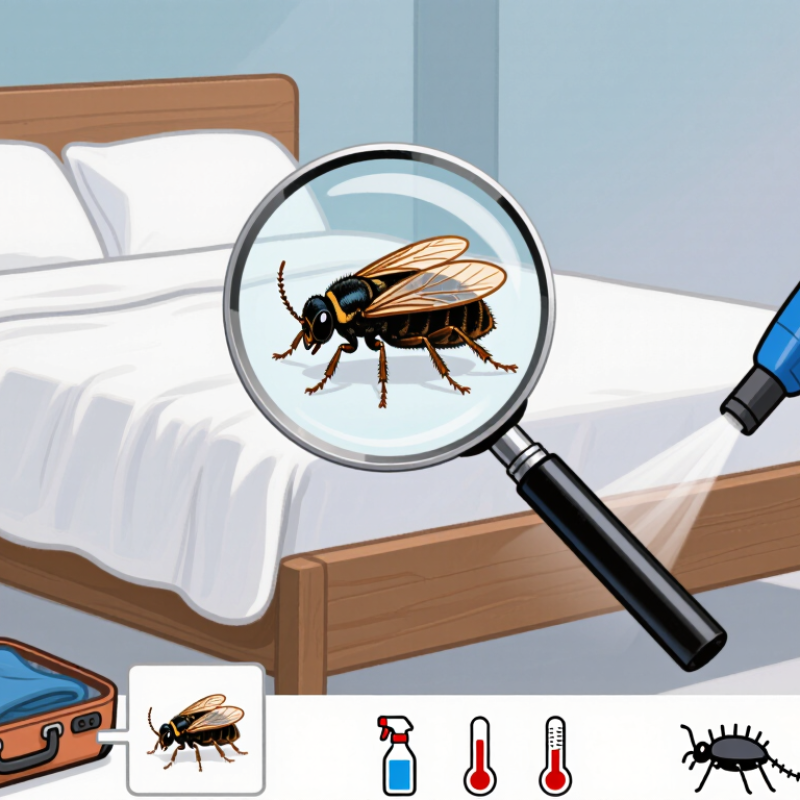
Bed bugs are small, flat insects that hide near sleeping areas and emerge mainly at night. They follow warmth, body odor, and exhaled carbon dioxide. Their presence is not proof of poor hygiene. In shared housing, hotels, and imported furniture, they can travel unnoticed between locations. Look closely at mattress seams, bed frames, sofa joints, and nearby cracks. Rust-colored spots, pale shed skins, tiny eggs, or live insects are stronger signs than bites alone.
Tip 1: Inspect with a flashlight. Check stitching, screw holes, and the underside of furniture. Use a clear container to capture a suspected insect for professional identification. Bites can resemble mosquito or flea reactions, so skin marks should not confirm an infestation. I once trusted bite patterns too quickly, and that delayed a proper inspection.
Tip 2: Reduce hiding places around the bed. Keep luggage off floors, washable fabrics in sealed bags, and avoid moving furniture between rooms. Interceptor devices under bed legs can reveal activity over several nights. Do not rely on one clue. A careful inspection usually needs repeated checks, especially after travel or receiving secondhand items. If signs continue, contact a qualified pest professional familiar with local regulations and treatment limits. DIY heat or chemical misuse can spread the problem or create health risks.
Inspecting Rooms and Confirming Bed Bug Activity
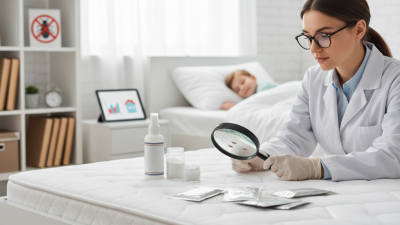
Inspecting a room for bed bugs requires patience, bright light, and a methodical routine. Begin with the bed, because bed bugs usually remain close to sleeping areas. Place luggage on a hard, elevated surface, never on the floor or bed. Pull back the sheets and examine mattress seams, piping, labels, and corners. Look for live insects, pale shed skins, tiny eggs, or dark fecal spots resembling ink marks.
Check the box spring, bed frame, headboard, and nearby furniture. A flashlight can reveal insects hiding inside screw holes, joints, and narrow cracks. Inspect curtains, upholstered chairs, and the edges of carpeting when signs appear near the bed. Do not treat every reddish stain as proof. Dirt, rust, and old marks can look similar. Confirmation should rely on several signs, preferably a captured live specimen. Place it in a sealed container and record the room location and date.
A professional inspection can provide stronger evidence, especially in hotels, rental properties, or shared buildings. Experienced technicians often use monitoring devices and inspect adjoining rooms when activity is confirmed. Avoid moving infested luggage between rooms, since this may spread the problem. One inspection may miss hidden activity. Recheck after resting areas have been examined again, and question any conclusion based on a single stain.
10 Bed Bug Pest Control Tips for Global Buyers — Inspecting Rooms and Confirming Bed Bug Activity
Use the size guide to support visual inspections. Bed bug eggs are about 1 mm long, nymphs grow from approximately 1.5 mm to 4.5 mm, and adult bed bugs are commonly about 5–7 mm long. Inspect mattress seams, bed frames, headboards, furniture joints, and nearby cracks for live insects, shed skins, eggs, dark fecal spots, or blood stains. A single sign should be evaluated carefully because reliable confirmation is based on identifying bed bugs or characteristic physical evidence.
Preparing Spaces Before Pest Control Treatment
10 Bed Bug Pest Control Tips for Global Buyers
Preparing a room correctly improves treatment access and reduces hidden bed bug harborage. In my field experience, clutter around beds often delays inspection. Remove items from floors, closets, and bedside tables. Seal clothing and bedding in bags before moving them. Wash suitable fabrics on the hottest safe setting, then dry them completely. Do not carry untreated items into another room.
Tip 1: Expose the bed frame, mattress edges, and wall junctions.
Leave furniture in place unless the technician requests removal. Bed bugs may hide behind headboards, drawer joints, and loose flooring. A quick vacuum can collect visible insects and eggs, but empty the vacuum safely outside. Avoid spraying random chemicals before professional treatment. It can scatter insects or create unsafe residues.
Tip 2: Follow the technician’s preparation sheet exactly.
Treatment methods differ by country, building type, and product approval. Keep children, pets, and vulnerable residents away during application and re-entry periods. Food, medicines, and personal care items should be covered or removed. I once underestimated a small storage box; inspection later found insects inside its folded fabric. Preparation is easy to overlook. It deserves a second check.
Tip 3: Tell the technician about recent bites, sightings, and rooms with activity.
Share photos when available, but do not rely on photos alone. A qualified professional should inspect before recommending treatment. After preparation, keep the area accessible and avoid deep cleaning until the technician explains the next steps. Some instructions may need adjustment after inspection. That is normal.
Choosing Safe and Effective Bed Bug Control Methods
10 Bed Bug Pest Control Tips for Global Buyers
Choosing Safe and Effective Bed Bug Control Methods
Safe control begins with a careful inspection. Check mattress seams, bed frames, luggage folds, and nearby cracks with a bright flashlight. Do not move infested furniture into another room. Seal clothing in bags, then use a dryer on a suitable high-heat cycle. Washing alone may not kill every insect or egg. Vacuum slowly around edges and empty the vacuum outdoors into a sealed bag. Use certified mattress and box-spring encasements without tears. Reduce clutter, but avoid careless disposal that spreads insects.
Monitor sleeping areas with interception devices placed under bed legs. They provide useful evidence, not instant control. For serious infestations, ask a trained pest professional about whole-room heat or carefully selected treatments. Any chemical product must be legally registered in the destination market. Follow its label exactly, including ventilation, re-entry time, and protective equipment. Never apply products to skin, bedding, or food-contact surfaces unless the label specifically permits it. Keep children, pets, and people with breathing conditions away during treatment.
Global buyers should request treatment records, ingredient information, safety data, and disposal instructions. Local rules differ, especially for imported products and commercial buildings. A reliable supplier should explain resistance management and inspection procedures, not promise one-step results. Bed bugs can survive missed eggs and hidden harborages. That is the difficult part. Reinspection after treatment is essential, often within the professional’s recommended interval. One overlooked suitcase seam can restart the problem. Personally, I would question any plan that discourages monitoring or refuses to discuss possible failure.
Preventing Bed Bugs from Returning After Treatment
10 Bed Bug Pest Control Tips for Global Buyers
Preventing bed bugs from returning requires more than one successful treatment. The NPMA Bugs Without Borders survey reported that 97% of pest professionals treated bed bugs during the previous year. It also found that infestations occur year-round. These figures show why prevention must continue after visible insects disappear.
Keep treated rooms uncluttered for several weeks. Seal cracks around skirting boards, bed frames, and wall outlets. Use certified mattress and box-spring encasements. Place interceptor cups beneath each bed leg, then inspect them weekly with a flashlight. Wash bedding at high temperatures, and dry it completely. Heat matters more than fragrance.
Do not move untreated furniture between rooms. That mistake can spread hidden insects through an entire property. When returning from travel, unpack luggage on a hard floor, not beside the bed. Vacuum seams, wheels, and zipper folds, then empty the vacuum outdoors. The U.S. Environmental Protection Agency recommends combining monitoring, cleaning, heat, and professional control rather than relying on one method.
Treatment is not the finish line. Many pest professionals schedule follow-up inspections because eggs may survive the first visit. A 2019 review in the Journal of Economic Entomology noted that bed bug eggs are less vulnerable to some chemical treatments than active insects. That finding deserves attention. A rushed “all clear” can be misleading. Keep monitoring for at least several weeks, record new sightings, and question any plan without documented follow-up.
Related Posts
-
2025 Guide: How to Choose the Best Bed Bug Killer for Your Home
-
How to Find the Best Bed Bug Killer for Your Home?
-
Why You Should Use Bed Bug Spray for Effective Pest Control?
-
What is the Best Bed Bug Spray for Effective Pest Control?
-

Top 10 Cockroach Pest Control Methods in China Explained
-
How to Effectively Manage German Cockroach Pest Control Strategies?