2026 Top Bed Bugs Removal Solutions for Global Buyers?

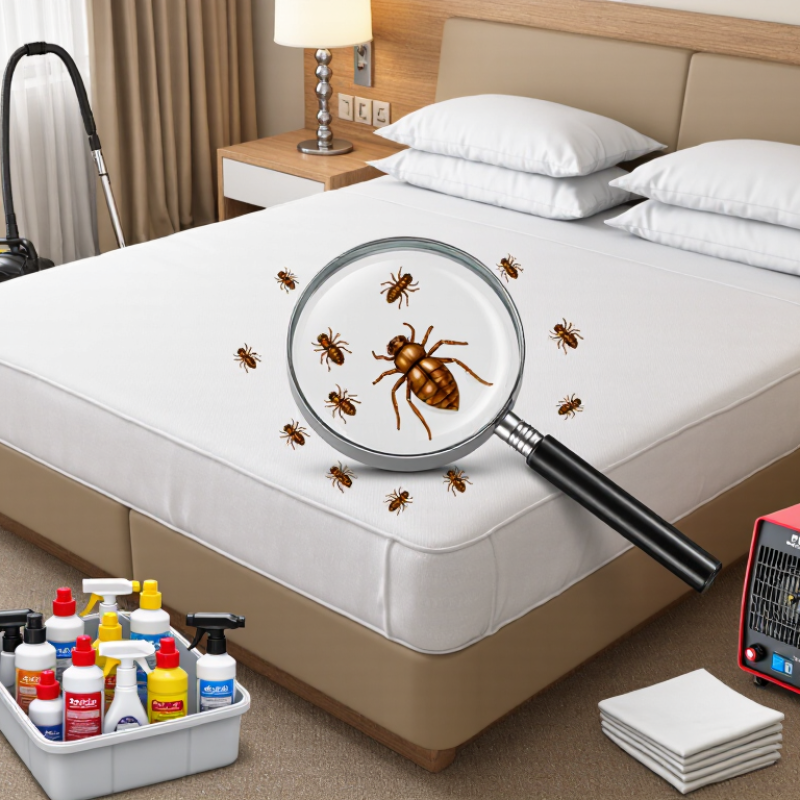
Bed bugs remain a persistent concern for hotels, retailers, property managers, and households worldwide. In 2026, global buyers need more than a fast product search. They need dependable bed bugs removal solutions supported by practical evidence, clear instructions, and responsible use. A reliable approach considers life stages, hiding behavior, treatment timing, and local climate conditions.

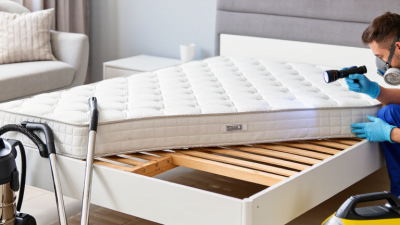
The strongest solutions usually combine inspection, monitoring, heat treatment, steam, laundering, mattress encasements, and approved chemical products. No single method works everywhere. Some bed bug populations show resistance to common ingredients. That matters. A professional inspection can reveal insects behind headboards, inside bed frames, or beneath loose flooring. Small details often determine success.

This guide will compare products and service options for international buyers. It will examine treatment effectiveness, application safety, coverage, packaging, storage, and supplier transparency. Buyers should check local registration rules before importing or applying any pesticide. Labels must be available in the buyer’s language when required. Qualified pest professionals may also be necessary for larger infestations.

Real-world results can vary. That is worth admitting. A spray may appear effective, yet hidden eggs can hatch days later. Heat equipment may perform well, but poor room preparation can leave cold zones. For that reason, this 2026 overview focuses on evidence-based choices, practical limitations, and follow-up inspections. The goal is not to promise instant results. It is to help global buyers select safer, more suitable, and professionally supported bed bugs removal solutions.

2026 Top Bed Bugs Removal Solutions for Global Buyers?

Bed Bug Biology, Signs, and Global Infestation Risks

2026 Top Bed Bugs Removal Solutions for Global Buyers

Bed bugs are small, flat insects adapted to human environments. Cimex lectularius often hides in mattress seams, bed frames, luggage, and wall cracks. Adults usually feed at night, using warmth and carbon dioxide as cues. Eggs are tiny, pale, and difficult to notice without close inspection. They are not known to transmit disease, but bites can cause itching, anxiety, and sleep loss.

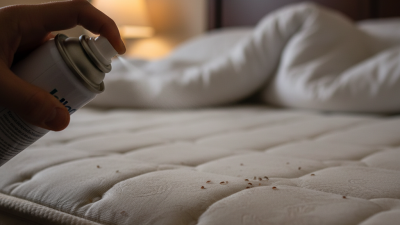
Look for rust-colored spots, shed skins, tiny eggs, or a sweet, musty odor. A live insect confirms the problem better than bites alone. The U.S. Environmental Protection Agency advises combining inspection, heat treatment, physical removal, and carefully selected pesticides. Chemical treatment alone often fails when eggs remain hidden. That limitation deserves honest attention.

Bed bugs travel internationally through luggage, clothing, furniture, and shared accommodation. The National Pest Management Association’s 2018 Bugs Without Borders survey reported that 97% of surveyed pest professionals encountered bed bugs during the previous year. This figure reflects professional experience, not every global infestation. Still, it signals persistent pressure across homes, hotels, hospitals, and transport networks. Buyers should examine treatment records, temperature monitoring, resistance management, and post-treatment inspections. University entomology guidance also stresses repeated checks because newly hatched nymphs can escape early detection. Real-world results vary. A room may look clean while harboring insects behind a headboard.

How to Assess Bed Bug Infestations Before Treatment

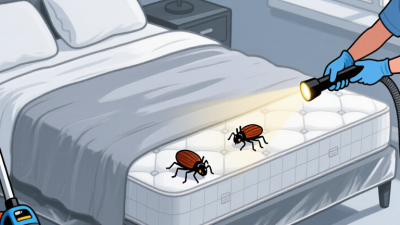
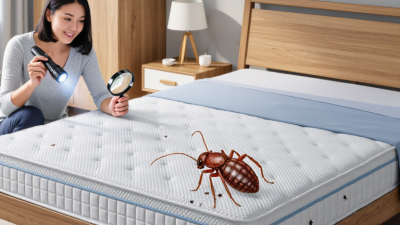
Before choosing a bed bug removal solution, assess the infestation carefully. Start at night or use a strong flashlight. Check mattress seams, bed frames, headboards, sofa joints, and nearby cracks. Look for live insects, pale shed skins, tiny white eggs, and dark rust-colored spotting. Fresh spots may smear slightly when dampened.

Bites alone do not confirm bed bugs. Mosquitoes, fleas, and skin conditions can look similar. A reliable assessment combines physical evidence, room history, and activity patterns. Inspect luggage, clothing storage, and adjoining rooms, even when no insects are visible there. Bed bugs can hide within a few meters of a sleeping area. They are excellent at staying unnoticed.

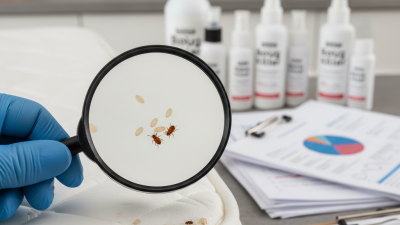
Record findings with clear photos and note each location. Avoid moving furniture or sleeping in another room, because this may spread the infestation. If evidence is limited, place monitoring devices near bed legs and recheck them regularly. This step can reveal activity that a quick inspection misses. It is not perfect.

For larger infestations, consult a qualified pest professional who can identify the insect and measure its extent. Ask about inspection methods, preparation, follow-up visits, and treatment safety. Do not rely on vague promises or one-time assumptions. A careful assessment may feel slow, but it usually prevents wasted treatment, repeated exposure, and overlooked hiding places.

Comparing Heat, Chemical, Steam, and Integrated Removal Methods

2026 Top Bed Bugs Removal Solutions for Global Buyers?

Heat, chemical, steam, and integrated methods serve different situations. NPMA’s 2018 Bugs Without Borders survey reported that 97% of surveyed pest professionals had treated bed bugs during the previous year. It also identified bed bugs among the most difficult pests to control. Heat treatment can penetrate furniture joints and wall gaps when technicians monitor temperature carefully. However, poor insulation or hidden cold spots can leave survivors.

Chemical treatment remains useful when products are legally registered and applied by trained professionals. Resistance research shows that some bed bug populations tolerate commonly used insecticide groups. Repeated spraying may therefore waste time and increase exposure concerns. Steam provides a useful contact treatment for seams, bed frames, and mattress edges. The U.S. Environmental Protection Agency recommends steam reaching about 200°F at the nozzle, with slow movement across surfaces. Steam does not protect untreated hiding places.

Integrated pest management combines inspection, heat, targeted chemical use, steam, laundering, encasements, and follow-up visits. EPA guidance supports this layered approach because bed bugs hide in narrow cracks and can survive missed treatment zones. In practice, a flashlight, crevice tool, and monitoring device often reveal more than a single dramatic treatment. Results can vary between rooms. That is an inconvenient fact, but buyers should question any provider promising one guaranteed visit.

2026 Top Bed Bugs Removal Solutions for Global Buyers? - Comparing Heat, Chemical, Steam, and Integrated Removal Methods

Comparison of commonly used professional approaches. Performance depends on inspection quality, monitoring, building conditions, product labels, operator training, and local regulations.

Evaluation Dimension Heat Treatment Chemical Treatment Steam Treatment Integrated Pest Management
Primary Principle Raises the temperature of the treated space and contents to lethal levels for bed bugs and eggs. Uses registered insecticides, usually as contact, residual, or dust formulations, according to the product label. Applies high-temperature vapor directly to seams, cracks, fabrics, and other accessible harborages. Combines inspection, physical control, monitoring, targeted treatment, and follow-up rather than relying on one technique.
Typical Operating Parameters Professional whole-room treatments commonly target approximately 49–60°C (120–140°F), with temperature monitoring at the coldest locations. There is no single universal dose or schedule. Application rate, re-entry time, and repeat interval must follow the registered local label. Steam delivered at the nozzle is commonly at least 93°C (200°F); the operator must move slowly enough to heat the treatment surface effectively. Uses method-specific parameters, with inspections and monitoring determining when and where heat, steam, encasements, or chemicals are needed.
Effect on Eggs High when heat is uniform
All areas must reach the required lethal temperature for the required exposure time.
Product-dependent
Many residual products do not provide reliable immediate control of every egg; follow-up is often necessary.
Localized
Effective only where sufficient heat and contact reach the eggs; hidden or protected eggs may remain untreated.
High with correct integration
Combines targeted physical treatment, monitoring, and repeat action when evidence of activity remains.
Residual Protection None after the area cools; it does not leave a chemical barrier. Potentially available, depending on formulation, surface, label directions, cleaning, and insecticide resistance. None after the treated surface cools. May include residual products, encasements, interceptors, and monitoring systems selected according to the site.
Coverage of Hidden Harborages Good if airflow and monitoring are adequate
Heat can penetrate many furnishings, but dense items and cool spots require special attention.
Variable
Success depends on locating cracks, voids, furniture joints, and other hiding places without over-application.
Limited to reachable surfaces
Steam cannot reliably treat inaccessible voids, deep furniture layers, or sealed spaces.
Site-specific
Inspection identifies harborages and determines the appropriate combination of tools.
Typical Treatment Speed Often completed in a single visit, but preparation, setup, heating, monitoring, and cooling can take several hours. Usually requires preparation and may require one or more follow-up visits, particularly where eggs hatch after the first service. Useful for focused treatment during a visit; large or heavily furnished areas take longer and require detailed work. Usually staged over multiple visits because monitoring results guide follow-up actions.
Preparation Requirements Remove heat-sensitive items, aerosols, pressurized containers, living plants, and other materials specified by the service procedure. Reduce clutter, provide access to suspected harborages, protect food and sensitive items, and follow all preparation and re-entry instructions. Clear access to seams, edges, cracks, bed frames, upholstered furniture, and other targeted surfaces. Requires cooperation with inspection, decluttering, laundering or drying where appropriate, monitoring placement, and scheduled follow-up.
Occupant and Property Risk Fire, heat damage, melting, or equipment damage are possible if preparation and temperature controls are inadequate. Exposure and residue risks depend on the active ingredient, formulation, application, ventilation, and compliance with the local label. Burns, moisture damage, staining, and damage to heat-sensitive materials are possible if used incorrectly. Risk is managed by selecting the least-disruptive effective method and applying each technique according to its safety requirements.
Resistance Considerations Not dependent on insecticide susceptibility; physical heat is the controlling factor. Effectiveness can be reduced by resistance or cross-resistance to certain insecticide classes; rotation alone is not a complete solution. Not dependent on insecticide susceptibility, but incomplete coverage can cause treatment failure. Reduces dependence on any single chemical class by combining non-chemical and chemical controls when justified.
Environmental Considerations No insecticide residue, but it requires significant energy and suitable electrical or fuel infrastructure. Creates chemical-use and disposal considerations; environmental requirements differ by country and active ingredient. No insecticide residue and relatively low chemical waste, but it uses water and electricity or fuel. Can reduce unnecessary pesticide use through targeted applications, monitoring, and prevention measures.
Best-Fit Applications Rooms, apartments, hotels, dormitories, and movable contents where thorough preparation and professional temperature monitoring are feasible. Sites requiring residual protection, localized crack-and-crevice treatment, or situations where heat is unsuitable and the label permits use. Mattress seams, bed frames, upholstered furniture, baseboards, cracks, and other exposed or accessible locations. Multi-unit housing, hospitality, healthcare, offices, transport facilities, recurring infestations, and prevention programs.
Key Buying Criteria Temperature sensor count, data logging, airflow design, equipment safety, operator training, and documented treatment thresholds. Local registration, active ingredient, resistance-management plan, label compliance, re-entry requirements, and technician certification. Verified nozzle temperature, steam output, attachments, moisture control, surface compatibility, and operator technique. Inspection protocol, written action plan, monitoring method, follow-up schedule, reporting, and clear escalation criteria.
Main Advantages Broad physical action, no chemical residue, and potential to control adults, nymphs, and eggs when exposure is uniform. Can provide residual activity and can be adapted to localized areas or materials unsuitable for heat. Useful for immediate, chemical-free treatment of accessible harborages and high-risk contact areas. More adaptable, supports early detection, and addresses both the infestation and conditions that allow it to persist.
Main Limitations High energy and equipment requirements; untreated adjacent areas or cool spots can allow survival and re-infestation. Potential resistance, exposure concerns, regulatory restrictions, odor or residue, and frequent need for follow-up. Slow and labor-intensive for large areas; limited penetration and risk of moisture or heat damage. Requires coordination, recordkeeping, occupant participation, and repeated monitoring rather than a single universal treatment.
Overall Suitability for Global Buyers Strong for professional equipment buyers
Prioritize safety certification, power compatibility, monitoring accuracy, and local service support.
Highly regulation-dependent
Confirm active-ingredient registration, import controls, labeling language, and professional-use rules in the destination market.
Strong for targeted treatment
Prioritize electrical compatibility, boiler durability, verified temperature performance, and spare-parts availability.
Broadest program suitability
Best for buyers seeking a documented, scalable program rather than a single stand-alone product.
Data basis: Technical ranges and operational principles reflect widely used professional bed bug control guidance. Exact temperatures, exposure times, application rates, re-entry periods, and equipment requirements must be validated against the applicable product label, national regulations, and the service provider’s documented protocol.

How Global Buyers Can Select Safe and Certified Solutions

Global buyers need more than a strong bed bug removal claim. Safe selection starts with product identity, intended use, and verified documentation. Check the active ingredient, concentration, expiry date, and application method. The label should state where treatment is allowed, such as mattresses, cracks, or empty rooms. Do not rely on translated sales copy alone. It can hide important limits.

Request current safety data sheets, independent efficacy reports, and certificates recognized in the destination market. Certification names differ across countries, so verify each number through an official database or regulator. Look for testing against bed bug eggs and adults, not adults only. Review ventilation requirements, protective equipment, and re-entry times. Child-resistant packaging matters in homes, hotels, and shared housing. A sealed carton, batch code, and traceable importer support accountability. Missing paperwork is a warning.

Experienced buyers should compare solutions within an integrated pest management plan. Heat treatment, monitoring traps, laundering, sealing, and targeted chemical use may work together. Ask suppliers for technician training records and a realistic treatment schedule. Be cautious with instant-kill promises. Results can vary because of resistance, hidden harborages, or poor preparation. I have seen buyers choose the cheapest option, then pay more for repeated visits. That lesson is uncomfortable. A small pilot, documented inspection, and post-treatment check can expose weaknesses before a large order. Safe choices should be explainable, legal, and traceable.

Treatment Planning, Follow-Up Checks, and Prevention Practices

A reliable bed bug plan starts with evidence, not panic. Inspect mattress seams, bed frames, sofas, luggage, and nearby cracks. A trained technician should confirm live insects, shed skins, or fecal spotting. Record room numbers, dates, and activity levels. This supports accurate planning across homes, hotels, and rental properties. Choose methods permitted by local regulations. Heat treatment, professional applications, vacuuming, and protective encasements may work together. Never mix chemicals or use unapproved indoor products. Safety comes first.

Follow-up checks determine whether treatment worked. Inspect seven to fourteen days later, then repeat as needed. Look for fresh spotting, shed skins, or new bites. Place monitoring devices near bed legs, where activity becomes easier to track. Keep sleeping areas accessible during inspections. No plan is flawless. A missed sofa seam can restart the problem. Technicians should document findings and adjust treatment carefully, rather than repeating the same step without evidence.

Prevention depends on routine habits. Wash and dry bedding at suitable high temperatures, when fabric instructions allow. Store clean items in sealed bags during treatment. Reduce clutter around beds and seal small wall gaps where practical. Inspect secondhand furniture outdoors before bringing it inside. Travelers should check luggage seams and keep bags away from beds. Property managers need clear reporting procedures and trained cleaning staff. Personal experience matters, but assumptions can mislead. Some bites have other causes, so professional confirmation remains important.

2026 Top Bed Bug Removal Solutions for Global Buyers

Recommended treatment planning and prevention checkpoints based on integrated pest management practices. Timing may vary according to infestation severity, property type, climate, and local regulations.

How to use this plan: Begin with a professional inspection, apply a suitable treatment approach, recheck activity after approximately 10–14 days, repeat treatment when live bugs or viable eggs are found, and continue monitoring for at least 60 days after the last confirmed activity.

Planning reference: integrated pest management guidance from public health and environmental authorities. Always follow the product label and local regulations.

chevron-right