10 Indoor Pest Control Tips for Homes and Businesses
Pests rarely appear without warning. A faint scratching sound, greasy marks near a wall, or a few ants beside the sink can signal a larger problem. This guide introduces 10 indoor pest control tips for homes and businesses. It focuses on practical prevention, careful inspection, and safer responses that suit real indoor environments.
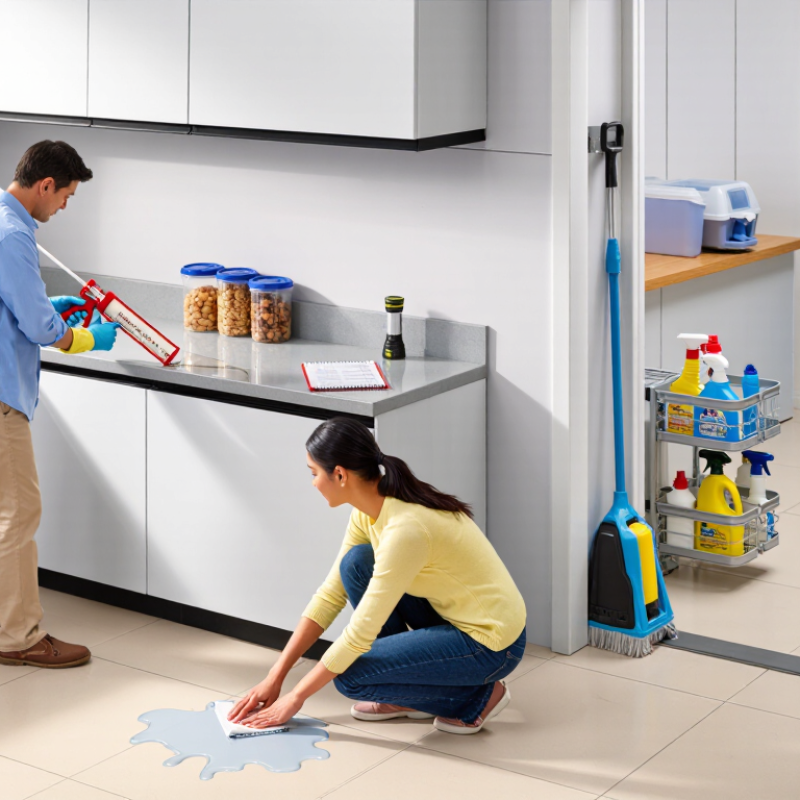
Effective control begins with understanding the building. Kitchens, storage rooms, bathrooms, and loading areas often provide food, moisture, warmth, or hidden entry points. Sealing gaps around pipes, repairing leaks, cleaning spills, and storing food in closed containers can reduce pest activity significantly. Small clues matter. A flashlight, inspection log, and consistent cleaning schedule can reveal patterns that casual checks miss. However, no checklist is perfect. Weather, construction, neighboring properties, and human habits can change the situation quickly.
Reliable pest management should protect people, pets, products, and property. That means following product labels, avoiding unnecessary chemical use, and selecting methods appropriate for the pest and location. Businesses may also need documented inspections and professional guidance, especially in food-handling or customer-facing areas. Experienced technicians can identify species, locate harborages, and recommend integrated pest management instead of repeated guesswork. Results may take time. Some treatments fail when moisture, clutter, or building defects remain unresolved. Careful monitoring and honest reassessment are essential. These tips offer a useful starting point, but serious, recurring, or uncertain infestations deserve evaluation by a qualified pest-control professional.
Understanding Common Indoor Pests and Their Warning Signs
10 Indoor Pest Control Tips for Homes and Businesses
Understanding Common Indoor Pests and Their Warning Signs
Indoor pests rarely arrive without clues. Watch for droppings, shed skins, grease marks, gnawing, and unusual odors. Cockroaches often leave pepper-like specks near sinks, warm appliances, and wall gaps. Rodents may create scratching sounds, chew marks, and oily tracks along baseboards. Ant trails usually point toward moisture, food residue, or a hidden nest. The U.S. Environmental Protection Agency links integrated pest management with safer, prevention-focused control. Start with inspection, not guesswork. Check six areas: kitchens, bathrooms, storage rooms, entry points, ceilings, and drains.
Seal cracks around pipes and doors. Repair leaking taps quickly. Store food in sealed containers. Empty indoor bins every day. Remove cardboard from damp floors. Clean crumbs beneath equipment. Use monitoring traps in quiet corners.
Record dates, locations, and pest signs. Inspect incoming deliveries before storage. Businesses should review these records weekly, especially around kitchens and loading areas. The National Pest Management Association reports that termites cause more than five billion dollars in property damage annually in the United States. Tiny wings near windows deserve attention.
Some signs overlap. Moisture damage can resemble pest damage. A single insect does not prove an infestation. No checklist catches everything. That is the uncomfortable part. Misidentifying droppings can delay action and increase exposure to allergens. The Centers for Disease Control and Prevention identifies cockroach and rodent allergens as asthma triggers. Avoid sweeping suspected droppings dry; dampen them first and use gloves. If activity continues after sanitation and sealing, request a documented inspection from a qualified pest professional.
Inspecting Entry Points and Removing Sources of Attraction
10 Indoor Pest Control Tips for Homes and Businesses
Pests usually enter through small, overlooked gaps. Inspect door frames, window edges, vents, roof joints, and pipe openings. Look for daylight beneath doors. A pencil-width gap can become a regular entry route. Use a flashlight during evening inspections. Check kitchens, storage rooms, basements, and loading areas carefully. In businesses, inspect receiving zones after deliveries. Boxes may hide insects or eggs. Seal cracks with suitable materials, but confirm pests are not trapped inside. My experience shows that rushed sealing can make problems harder to locate later.
Tip: Remove food attraction daily. Store grains, snacks, and pet food in sealed containers. Wipe grease from cooking surfaces. Empty indoor bins before odors develop. Do not leave standing water near sinks or equipment. Fix dripping taps and damp wall areas quickly. Moisture often matters as much as food. Keep cardboard off floors, especially in quiet storage corners. I once missed a small leak behind a cabinet. That mistake supported activity for several weeks.
Tip: Record every finding. Note the location, date, droppings, damage, and weather conditions. This helps separate a single incident from a recurring route. In shared buildings, tell staff what to report. Avoid relying only on traps or surface cleaning. Those actions may reduce signs without removing the source. If activity continues, seek advice from a qualified pest professional. Results can be imperfect when inspections are rushed, so review missed areas and adjust the plan.
10 Indoor Pest Control Tips for Homes and Businesses - Inspecting Entry Points and Removing Sources of Attraction
| No. | Control Tip | What to Inspect | Common Source of Attraction | Recommended Action | Suggested Frequency | Priority |
|---|---|---|---|---|---|---|
| 1 | Seal Cracks and Gaps | Inspect wall joints, baseboards, pipe penetrations, window frames, and gaps beneath doors. | Warm indoor areas, shelter, food odors, and moisture entering through structural openings. | Seal small cracks with suitable caulk and repair larger gaps with durable building materials. Install door sweeps where daylight is visible beneath doors. | Monthly and after building repairs | High |
| 2 | Check Doors and Windows | Examine damaged screens, loose frames, open loading doors, and poorly fitted exterior doors. | Easy access for flies, mosquitoes, ants, and other outdoor insects. | Repair screens, keep doors closed when not in use, and use self-closing hardware in busy entrances or service areas. | Weekly in active areas | High |
| 3 | Remove Standing Water | Inspect under sinks, around appliances, floor drains, condensate lines, plant saucers, and utility rooms. | Moisture supports drain flies, fungus gnats, cockroaches, and mold-associated pests. | Repair leaks, empty water-holding containers, dry wet surfaces, and maintain clean, functional drains. | Daily in food areas; weekly elsewhere | High |
| 4 | Store Food Securely | Review cupboards, storerooms, break rooms, pantries, and open shelving for exposed food. | Unsealed food, spilled ingredients, pet food, and food residues attract ants, rodents, stored-product insects, and cockroaches. | Keep food in tightly closed containers, clean spills promptly, and rotate stored items using a first-in, first-out system. | Daily housekeeping; monthly stock review | High |
| 5 | Improve Waste Management | Inspect indoor bins, dumpster areas, recycling containers, and waste collection points. | Food waste, leaking bags, residue, and overfilled containers attract flies, rodents, and scavenging insects. | Use lidded bins, remove waste on a consistent schedule, clean containers, and keep exterior waste areas away from entrances when practical. | Daily for food premises; weekly for offices | High |
| 6 | Clean Drains and Floor Areas | Inspect floor drains, sink drains, grease-affected areas, corners, and spaces beneath fixed equipment. | Organic buildup, grease, crumbs, and damp debris provide food and breeding conditions for several indoor pests. | Remove debris, clean suitable drain surfaces according to site procedures, and maintain a documented cleaning schedule. | Daily in kitchens; weekly in low-risk areas | High |
| 7 | Reduce Clutter and Harborage | Check storage rooms, cardboard stacks, unused equipment, wall void access points, and crowded cabinets. | Dark, undisturbed spaces provide shelter for cockroaches, rodents, spiders, and other pests. | Keep materials off the floor, reduce unnecessary storage, use shelving with inspection clearance, and remove unused cardboard promptly. | Weekly housekeeping review | Medium |
| 8 | Inspect Incoming Deliveries | Examine cartons, pallets, food packaging, used equipment, and deliveries from storage or transport areas. | Pests and egg cases can be transported inside packaging, especially when goods are stored in warm or humid conditions. | Inspect deliveries before storage, reject visibly damaged or contaminated packaging, and avoid placing cartons directly on floors. | Every delivery | High |
| 9 | Maintain Exterior Drainage and Vegetation | Inspect foundations, roof drainage, outdoor lighting, vegetation touching walls, and soil or mulch next to the building. | Excess moisture, dense vegetation, organic debris, and outdoor lighting can draw pests toward entry points. | Keep gutters and downspouts clear, direct water away from foundations, trim vegetation, and maintain a visible inspection zone around walls. | Monthly and after heavy rain | Medium |
| 10 | Record Findings and Monitor Activity | Review sightings, droppings, damage, trap observations, complaints, and recurring activity locations. | Unnoticed patterns allow minor access or sanitation problems to become established infestations. | Use a written inspection log, map recurring findings, correct the underlying condition, and escalate persistent activity for professional assessment. | Weekly; more often in high-risk areas | Routine |
Applying Safe Cleaning, Storage, and Moisture Control Methods
10 Indoor Pest Control Tips for Homes and Businesses
Applying Safe Cleaning, Storage, and Moisture Control Methods
Effective indoor pest control starts with daily habits, not harsh chemicals. During property inspections, I check kitchens, storage rooms, drains, and delivery areas. Wipe crumbs and grease from counters after use. Clean beneath appliances, where food particles often collect. Empty indoor bins before odors develop. Wash reusable waste containers regularly. Seal cracks around pipes, doors, and windows. Small gaps matter.
Store grains, pet food, and snacks in tightly closed containers. Keep supplies off the floor and away from walls. Rotate older stock forward in business storerooms. Inspect cartons before bringing them indoors. A clean package can still carry hidden pests. Remove damaged packaging quickly. Never leave food uncovered overnight. For homes, clean pet bowls after feeding. This simple step is often missed.
Moisture control is equally important. Repair dripping taps and leaking pipes without delay. Dry sinks, mop heads, and shower corners after use. Improve airflow in damp storage spaces. Keep floor drains clean and covered when appropriate. Check condensation around refrigerators and air-conditioning units. Use monitoring cards or non-toxic traps to track activity safely. Record dates, locations, and patterns. That record helps guide professional decisions. I once focused too much on visible insects and overlooked a damp cabinet. The lesson was uncomfortable: cleanliness alone is not enough. Regular review prevents small oversights from becoming expensive problems.
Choosing Effective Pest Treatments for Homes and Businesses
10 Indoor Pest Control Tips for Homes and Businesses
Choosing an effective pest treatment starts with accurate identification. A small trail near a sink may indicate ants, moisture, or a hidden food source. I inspect entry points, droppings, nesting areas, and humidity before recommending any treatment. Guessing can waste time.
For homes, begin with practical controls. Store food in sealed containers, repair dripping taps, and close gaps around pipes. Use traps only where children and pets cannot reach them. Targeted treatments are usually safer than broad indoor spraying. Always follow the product label, ventilation instructions, and local regulations. Short visits seldom solve recurring infestations.
Businesses need a more documented approach. Kitchens require clean drains, dry storage shelves, and regular checks behind equipment. Offices may need attention around bins, loading doors, and ceiling voids. A qualified pest professional can combine monitoring, physical exclusion, sanitation, and carefully selected treatments. Keep service records with dates, findings, and corrective actions. This helps reveal patterns instead of encouraging repeated guesswork.
I once underestimated a minor fly problem. The real source was damp organic material beneath a rarely moved appliance. That mistake changed my inspection routine. No treatment works well against an unchanged food or water source. Some recommendations may need revision after monitoring. A quiet week is not proof that the problem has disappeared.
10 Indoor Pest Control Tips for Homes and Businesses — Choosing Effective Pest Treatments
Effective indoor pest control combines prevention, sanitation, moisture management, monitoring, and targeted treatment. The chart groups ten practical measures by their primary control category.
Most indoor pest problems can be reduced by removing food and water sources, sealing entry points, and checking for activity regularly. Chemical treatments should be selected according to the pest, applied only as directed, and used with appropriate safety precautions.
- Exclusion: Seal cracks and gaps; repair damaged door sweeps and window screens.
- Sanitation: Store food in sealed containers, clean spills promptly, and empty waste regularly.
- Moisture Control: Repair leaks and improve ventilation in kitchens, bathrooms, basements, and storage areas.
- Monitoring: Use inspections and traps to identify pest activity before it becomes widespread.
- Targeted Treatment: Apply a treatment designed for the identified pest and follow all product-label instructions.
Monitoring Results and Preventing Future Indoor Infestations
Indoor pest control works better when monitoring guides each decision, not when chemicals become the default.
During site visits, I check kitchens, storage rooms, wall edges, drains, and quiet electrical spaces. I record pest species, droppings, damaged packaging, trap counts, dates, temperature, and moisture.
A photo beside a ruler can reveal whether activity is growing or only being noticed late. Small evidence matters.
Sticky monitors near doors and appliances should be labeled and checked on a fixed schedule. That creates comparable results across homes, offices, restaurants, and warehouses.
Prevention starts with practical corrections:
Seal pipe gaps, repair screens, store food in closed containers, and remove spills quickly. Fix dripping taps and condensation, because many insects need surprisingly little water.
Vacuum cracks and floor edges, then empty the vacuum outdoors in a sealed bag. Keep cartons off floors and inspect incoming supplies before they enter storage.
For rodents, use tamper-resistant monitoring stations and inspect them without disturbing nearby shelter.
For crawling insects, place monitors along travel routes rather than in random open areas.
Review the log weekly at first, then adjust the interval after several quiet checks. A falling count is encouraging, but it does not prove elimination.
One missed leak can restart activity. If counts rise, identify the trigger before changing control methods.
Over-cleaning records can also hide patterns; I have sometimes removed a monitor too early and weakened the evidence.
A qualified pest professional can confirm identification, map entry points, and recommend lawful, targeted treatments.
Never mix products or ignore label directions. Keep records, photos, repair dates, and follow-up results together, so future decisions rely on evidence rather than guesswork.
Related Posts
-
China Top Pest Control Products for Global Buyers?
-
How to Choose Ant Pest Control Products in 2026?
-

China Top 10 Indoor Pest Control Manufacturers?
-
What Are the 2026 Top Types of Outdoor Pest Control?
-
2026 Best Pest Control Spray for Effective Home Protection?
-
Best Pest Control Spray for Effective Home Protection?