China Top Pest Control Products for Global Buyers?

China has become a major sourcing base for global pests control products, from glue boards and rodent stations to UV insect killers and professional formulations. Buyers now expect more than low prices. They need stable performance, traceable ingredients, clear labeling, and dependable after-sales support.

Market evidence shows why this sector deserves careful attention. Grand View Research valued the global pest control products and services market at about USD 22.7 billion in 2023, with continued growth expected through 2030. The World Health Organization’s World Malaria Report 2023 recorded an estimated 249 million malaria cases in 2022, highlighting the wider importance of vector management. These figures do not prove that every product works equally well. They show the scale of the need.

Small details matter.

A reliable Chinese supplier should provide product specifications, safety data sheets, batch information, test reports, and export documentation. Buyers should also review target-country requirements, including biocidal product rules, pesticide registration, packaging standards, and transport restrictions. Compliance is not a decorative certificate. It affects customs clearance, distributor confidence, and end-user safety.

This guide examines China’s leading pest control product categories, practical sourcing considerations, and supplier evaluation methods. It focuses on legal, responsible solutions for homes, farms, warehouses, hotels, and public facilities. Some market reports use different definitions, so their figures cannot be compared perfectly. That limitation deserves attention. A product with attractive laboratory results may still perform poorly in a humid warehouse or a busy restaurant. Careful testing remains essential.
China Top Pest Control Products for Global Buyers?

Pest Control Product Categories Manufactured in China

China Top Pest Control Products for Global Buyers?

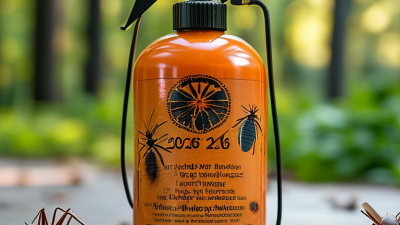
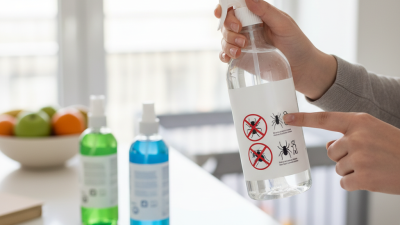
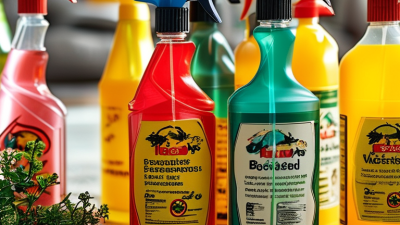
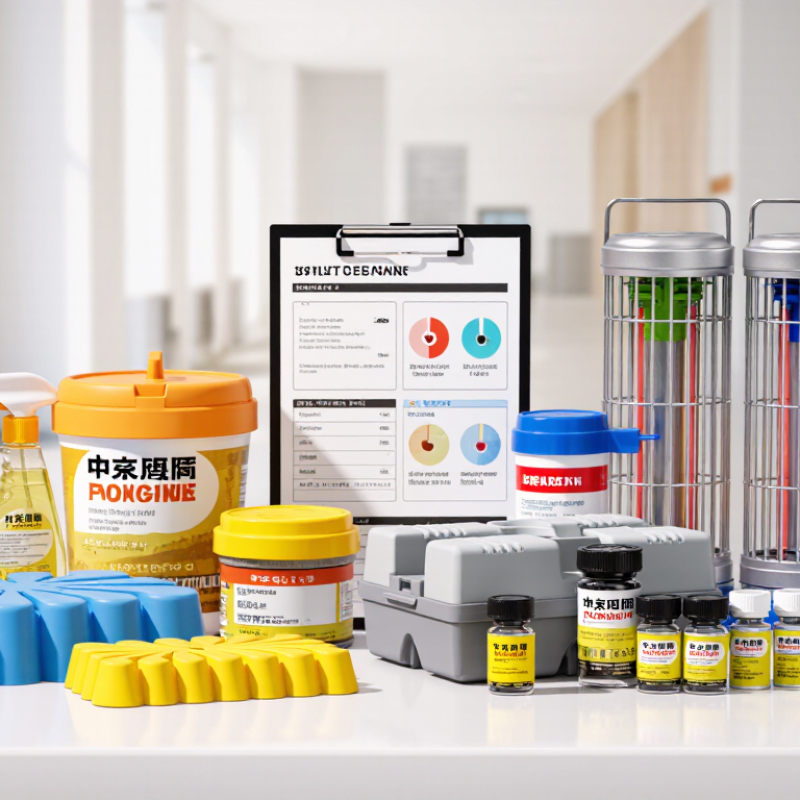
China manufactures a broad pest control portfolio for farms, warehouses, hotels, homes, and public facilities. Common categories include snap traps, glue boards, insect light traps, mosquito nets, bait stations, and monitoring sensors. Manufacturers also produce ready-to-use sprays, granules, gels, and low-odor concentrates for approved markets. Product selection should match the target pest, climate, application site, and local registration rules.

FAO’s Pesticides Use and Trade 2024 dataset recorded about 3.70 million tonnes of pesticide active ingredients used worldwide in 2022. This figure shows the scale of demand, but it also raises a practical concern. More chemical volume does not always mean better control. China-based suppliers increasingly combine mechanical traps, pheromone monitoring, and targeted formulations. These options can reduce unnecessary treatment in sensitive spaces, such as food storage rooms.

Rodent control products commonly include tamper-resistant bait stations, tracking cards, and mechanical traps. Insect control categories cover fly killers, cockroach gels, mosquito devices, and crawling-insect barriers.

Some factories provide customized packaging, multilingual labels, batch tracking, and laboratory test documents. Buyers should verify ingredient specifications, shelf-life data, safety instructions, and destination-country approvals. A factory audit remains valuable. Product photos alone cannot confirm manufacturing consistency, and even experienced buyers sometimes overlook humidity testing, carton strength, or calibration records.

Key Features of China’s Leading Pest Control Products

China’s leading pest control products increasingly combine practical design with measurable performance. Buyers now look beyond low unit prices. WHO reports that vector-borne diseases cause more than 700,000 deaths annually, making reliable control equipment a public-health concern. Effective products often include stable formulations, clear dosage instructions, tamper-resistant bait stations, and low-noise monitoring devices. Small details matter.

Many Chinese manufacturers offer water-based sprays, gel baits, insect light traps, and connected monitoring systems. Their key advantage is flexible customization. Exporters can request multilingual labels, different voltage systems, private packaging, and climate-specific formulations. Some suppliers also provide batch tracking and laboratory test records. According to MarketsandMarkets’ 2024 Pest Control Products Market report, the global market may grow from about 22 billion dollars in 2023 to nearly 30 billion dollars by 2028. This growth increases demand for scalable products, but it also raises quality expectations.

Performance should be tested under local conditions. A bait that works in a dry warehouse may lose effectiveness in humid coastal storage. FAOSTAT reported global agricultural pesticide use of about 3.70 million tonnes in 2022, highlighting the need for responsible application and accurate dosing. Strong suppliers provide safety data sheets, stability testing, residue information, and conformity documents for the destination market. No product is universally best. Even well-designed equipment can fail when placement, maintenance, or user training is weak. That weakness deserves testing.

China Top Pest Control Products for Global Buyers

Key Features of China’s Leading Pest Control Products

The chart compares common pest-control product categories by their typical residual-control period. Actual performance depends on the active ingredient, formulation, pest species, surface conditions, climate, and product label. Global buyers should verify registration, efficacy data, SDS, and local regulatory compliance before import.

How to Evaluate Chinese Pest Control Suppliers

China Top Pest Control Products for Global Buyers?

How to Evaluate Chinese Pest Control Suppliers

Evaluating a Chinese pest control supplier requires more than comparing online prices. Start with product identity, intended use, active ingredients, and target pest. Ask for current specifications, safety data sheets, certificates, and batch-level test reports. Documents should match the actual factory, not only a trading office. Check manufacturing authorization and export experience for your destination market.

Rules vary. Some products need registration before sale, while others may require special labeling or transport controls. Ask the supplier to explain permitted claims, packaging language, shelf life, and storage temperatures. Vague answers are a warning. Request samples from a normal production batch. Compare appearance, odor, packaging seals, and stated dosage with the specification. Independent laboratory testing can verify composition and contamination limits.

An on-site audit, video inspection, or third-party factory assessment adds useful evidence. Review quality controls, pest-free storage, calibration records, complaint handling, and recall procedures. Do not rely on polished photographs. Speak with the technical contact, not only the salesperson. Ask how they handle failed batches and delayed shipments. That answer reveals maturity. A practical trial order should define inspection points, tolerances, lead time, payment terms, and responsibility for nonconforming goods. Keep every promise in writing. One weakness remains: remote checks cannot reveal everything. Recheck documents before each major order, especially when formulas or packaging change.

Global Regulations for Importing Pest Control Products

China Top Pest Control Products for Global Buyers?

Global Regulations for Importing Pest Control Products

Importing pest control products from China requires more than comparing prices and formulations. Each destination market may classify products differently, such as pesticides, biocides, or household chemicals. That classification controls registration, labeling, packaging, and import permits. Buyers should confirm the rules with the destination country’s agricultural, environmental, or chemical authority before placing an order.

Check the active ingredient, concentration, intended use, and target pest. Request a current safety data sheet, full ingredient disclosure, batch information, and laboratory test reports. Labels usually need local language instructions, hazard symbols, first-aid guidance, storage conditions, and disposal advice. Packaging must also withstand long sea journeys. A leaking container can create customs delays and serious safety concerns. Small details matter.

I have seen buyers focus heavily on product cost and overlook registration timelines. That approach often creates avoidable losses. It is better to review one sample label with a qualified local consultant before mass production. Importers should also verify the supplier’s manufacturing records, quality controls, and traceability system. Keep invoices, certificates, shipping documents, and test results together. Requirements can change, and an old approval may not remain valid. Some buyers assume a product approved in one country can enter another without changes. That assumption is risky. Even correct documents may need translation, legalization, or updates before customs clearance.

Choosing the Right Chinese Pest Control Solution for Your Market

Choosing a Chinese pest control solution starts with your market, not a supplier catalogue.
A product effective in a humid warehouse may perform differently in a dry household or open farm. Define the target pest, application site, crop or structure, and user skill before comparing prices. Ask for active ingredient details, concentration, formulation, batch information, and storage limits. Clear technical documents reveal more than polished photographs. In my experience, small gaps in these details often become large purchasing problems. It happens.

Check whether the product can be legally registered and sold in your destination market.
Local rules may control ingredients, claims, labeling, packaging, residue limits, and operator protection. Request a current label, safety data sheet, certificate of analysis, and independent test evidence where appropriate. Do not treat a factory document as automatic proof of field performance. Compare samples under controlled conditions, then test them with local water, temperature, surfaces, and pest pressure. Results can shift. That is easy to overlook.

A reliable sourcing decision also considers supply continuity.
Review minimum order quantities, lead times, container compatibility, leakage protection, and traceability codes. Discuss multilingual labels and practical instructions for distributors and end users. Choose products that fit an integrated pest management plan, including monitoring and rotation of approved modes of action. Avoid exaggerated “instant” or “harmless” claims. They weaken trust. One honest limitation is more useful than a perfect promise. Keep written records of complaints, returns, and performance, because the first purchase rarely answers every question.

chevron-right