How to Choose the Best Pest Control Products?
Choosing the best pest control products starts with identifying the pest, not grabbing the brightest package on the shelf. Ants near a sink, moths in a pantry, and mosquitoes beside a damp planter need different responses. A product that misses the target can waste money and leave the real cause untouched. Small details matter. Look for droppings, damaged food, shed skins, or repeated activity in one corner. If identification remains uncertain, ask a qualified pest management professional for help.
Good pests control begins with a clear plan: identify the pest, compare suitable product types, and read the label before deciding. Dr. Michael F. Potter, an entomologist known for his work on bed bugs, has said, “There is no magic bullet for bed bug control.” That warning applies broadly: one product rarely solves every pest problem. Check the listed target, application site, directions, and precautions. Keep children and pets away as directed, and never assume that using more product will improve results. More is not better.
This guide explains how to weigh product effectiveness, safety, ease of use, and cost. It also considers nonchemical steps, such as sealing food in containers and fixing a dripping tap. These small changes can reduce the conditions pests need. Product choice is not always straightforward. A promising option may fail if the pest was misidentified or the instructions were overlooked. Compare claims carefully, follow the label, and seek professional advice when activity persists.
Identify the Pest and Assess the Extent of the Infestation
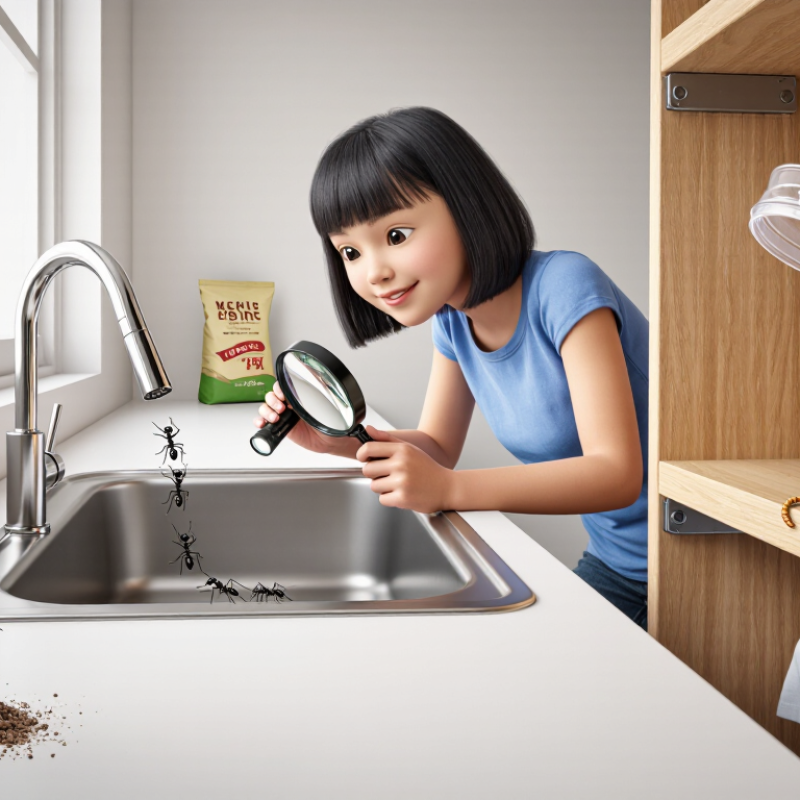
Before choosing a pest control product, identify what is actually causing the problem. Ants, termites, and small beetles can leave similar clues, but they need different responses. Look for physical evidence: shed wings near a window, fine sawdust beneath wood, droppings, or chewed packaging. Note where and when you see activity. For example, ants returning to a kitchen counter may be following a food trail, while insects appearing near a damp basement wall may point to moisture. Not every mark means an active infestation. Take clear photos and, if safe, keep a specimen in a sealed container for identification. Small details matter.
Then assess how widespread and persistent the activity is. Check likely entry points, nearby rooms, cupboards, and storage areas, without disturbing nests or contaminated material. Record the number of sightings and whether they recur over several days. A single insect may have wandered indoors; repeated activity, fresh damage, or signs in multiple rooms suggest a larger issue. Pay attention to children, pets, and food areas when deciding what to inspect. Do not spray an unidentified pest just to see what happens; the product may be ineffective or create avoidable exposure. If signs are extensive, keep returning, or remain unclear, seek guidance from a qualified pest professional. That uncertainty is worth acknowledging.
Compare Pest Control Product Types and Active Ingredients
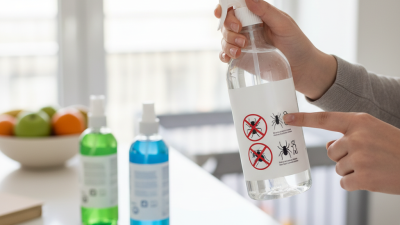
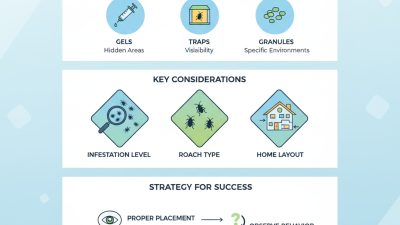
Choosing a pest control product starts with identifying the pest and where it appears. A bait can work well for ants or cockroaches because insects carry it back to hiding places. Sprays act on contact or leave a treated surface, but they may miss pests tucked inside cracks. Traps help monitor activity and catch some insects without coating nearby surfaces. Placement matters. A product for an outdoor perimeter may not be suitable for a kitchen counter.
The active ingredient helps explain how a product works. Some ingredients affect an insect’s nervous system; others, such as boric acid, disrupt digestion or damage its outer layer. The label also tells you which pests the product targets and how quickly it may act. I would not assume that a stronger-sounding ingredient means a better choice. Results depend on correct placement, pest behavior, and repeat use as directed. Read precautions carefully, especially around children, pets, food, and aquariums. Avoid combining products unless their labels specifically allow it. One detail is easy to overlook: a bait may fail if crumbs or other food remain nearby. I still find product comparisons imperfect, because conditions in one home rarely match another.
Evaluate Safety Risks for People, Pets, and the Environment
Choosing a pest control product begins with identifying the pest and where it appears. A spray intended for outdoor use may not be suitable near kitchen counters or bedding. Read the full label, including the active ingredient, application directions, protective equipment, and re-entry time. Small details matter. Keep children and pets away until the stated conditions are met. If someone in the home has asthma, allergies, or another health concern, check with a healthcare professional before use.
Consider where the product could travel after application. Avoid treating areas near food, pet bowls, aquariums, drains, or flowering plants unless the label specifically permits it. Use only the amount directed; more is not necessarily more effective, and it can increase exposure. Never mix products. Store them in their original containers, away from heat and food, and follow label guidance for disposal. That takes patience. “Natural” does not automatically mean harmless, either. If the pest keeps returning, pause before applying more. A qualified pest professional can help identify entry points and safer control options. It is easy to overlook a tiny gap beneath a door, but fixing it may reduce the need for repeated treatments.
How to Choose the Best Pest Control Products? — Evaluate Safety Risks for People, Pets, and the Environment
These bars show EPA acute oral LD50 cutoff values: “Danger” is at or below 50 mg/kg, “Warning” is above 50 through 500 mg/kg, and “Caution” is above 500 through 5,000 mg/kg. Signal words reflect the most severe applicable acute-toxicity finding, not oral toxicity alone. They do not measure risk to pets or the environment; check the product label for pet precautions, protective equipment, re-entry guidance, and restrictions for waterways and pollinators.
Check Product Labels, Usage Requirements, and Legal Restrictions
A pest control product should match the pest, the treatment site, and the problem’s scale. Read the full label before buying, not just the front panel. Check the intended pests, approved locations, active ingredient, and any limits on indoor or outdoor use. A product meant for garden beds may not be suitable for a kitchen floor. Small details matter.
Follow the label’s directions for preparation, application, protective clothing, ventilation, and re-entry. Use only the stated amount; stronger mixtures are not automatically more effective. Keep children, pets, food, and aquariums away as instructed. Store the product in its original container, with the label intact. If a direction seems unclear, pause. Guessing is a poor plan.
Rules vary by location and may restrict certain uses, sales, or applicators. Confirm that the product is authorized for your area and intended purpose with the relevant local regulator. Check disposal instructions, too; leftover solution should not be poured into a drain unless the label permits it. Some labels are dense, and it is easy to skim past a warning. Taking an extra minute to reread them can prevent a costly mistake.
Match the Product to the Treatment Area and Monitor Results
How to Choose the Best Pest Control Products?
Match the product to the treatment area, not just the pest name. A bait suited to a kitchen crack may be unsuitable for a vegetable bed or a child’s play area. Read the product label for approved sites, placement directions, and safety precautions; the U.S. Environmental Protection Agency treats the label as the guide for lawful, safe use. Start by identifying where pests travel, such as along a baseboard or beneath a sink. Small clues matter. The National Pest Management Association’s 2023 Bugs Without Borders survey reported that 84% of U.S. homeowners had experienced a pest problem in the previous year. That makes routine inspection useful, but it does not mean every sighting needs the same treatment.
Tips: Place monitoring traps where activity is suspected, away from children and pets. Note the date, location, and catch count. Check again. Keep the record simple; a pencil note by the pantry can reveal whether activity is rising or falling. Do not judge a product from one quiet night.
After treatment, compare new signs with your original notes: fresh droppings, damaged food packaging, or insects appearing near the same crack. If activity continues, recheck the entry point and confirm that the product was intended for that area before applying more. More product is not automatically better. An empty trap is encouraging, but it does not prove the problem has ended; keep monitoring for several checks and follow label directions for reapplication. When the pest or its source remains unclear, seek guidance from a qualified pest management professional rather than layering products. One detail can be missed. That is worth admitting.





 Products
 Search