10 Best Outdoor Pest Control Tips for Your Yard

A comfortable yard can change quickly when mosquitoes gather near a planter or ants trail across the patio. Outdoor pest control works best when it starts with careful observation, not a rushed spray. Look for standing water, damp leaf piles, gaps beneath doors, and branches touching the house. Small details matter. So does timing.

Dr. Michael F. Potter, an entomologist at the University of Kentucky, offers a useful guiding principle: “Effective pest control begins with knowing what pest you have and where it lives.” That advice fits yards as well as buildings. Identify the insect before choosing a response, and follow product labels whenever a treatment is needed. A mosquito, a wasp, and a beetle do not call for the same approach.

This guide covers ten practical steps: removing stagnant water, trimming dense growth, sealing entry points, managing outdoor waste, and using targeted treatments carefully. You’ll also learn when professional help may be appropriate, especially around nests or persistent activity. Keep a simple yard log; note where pests appear and after which weather changes. It may feel fussy. It can reveal a pattern.

No yard stays perfectly pest-free, and promising otherwise would be misleading. Some habits take repeated effort, and results may be gradual. Still, steady maintenance can make outdoor spaces less inviting to common pests while protecting useful insects and the people who share the yard.
10 Best Outdoor Pest Control Tips for Your Yard

Identify Common Pests and Their Entry Points

Identify pests by the evidence they leave. Mosquitoes gather near standing water; ticks favor tall grass and leaf litter. Ant trails often follow foundation edges, while termites signal damp wood or soil-to-wood contact. The National Pest Management Association estimates termites cause more than $5 billion in U.S. property damage each year. CDC surveillance recorded 62,551 reported Lyme disease cases in 2022, compared with an average of 37,118 annually in 2017–2019. Reported counts do not capture every infection, but they make careful tick checks worthwhile.

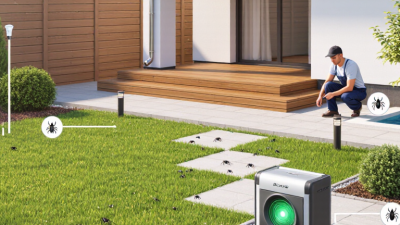
Trace likely routes into the yard and home. Check gaps beneath gates and doors, cracks around pipes, and openings where siding meets the foundation. Look for ant trails along patios, rodent droppings near sheds, and mosquito larvae in neglected buckets or clogged gutters. Ticks may arrive on pets or wildlife, then shelter in brush beside lawns. Termites often exploit wet wood near decks or fence posts. A tidy yard can still conceal entry points; one quick walk may miss them.

Tip: Walk the property after rain, when leaks and pooled water are easier to spot. Photograph suspicious gaps, trim brush back from paths, and empty containers weekly. Recheck repaired areas—small openings are easy to overlook.

Remove Food, Clutter, and Shelter That Attract Pests

Food scraps, open bins, and pet bowls can turn a quiet yard into an easy food source for pests. The U.S. Environmental Protection Agency’s 2019 Wasted Food Report estimated 66.2 million tons of food were discarded across retail, food service, and residential sectors. That figure is national, but the backyard lesson is simple: secure waste and clean spills promptly. Rinse sticky recycling, use tight-fitting bin lids, and bring pet food indoors overnight. Small sources matter.

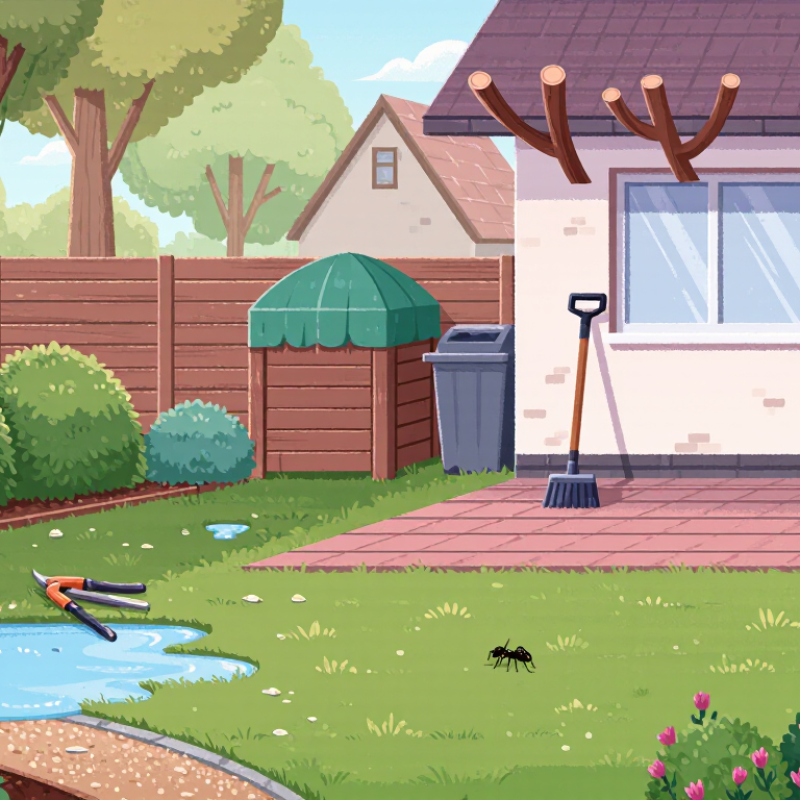
Pests also need places to hide. Thick leaf piles, stacked firewood, unused pots, and dense groundcover create cool, sheltered spots near the house. Keep firewood raised and away from exterior walls, and trim plants so they do not touch siding. Check beneath decks and outdoor furniture; a forgotten tarp can hold moisture and shelter insects. Perfect tidiness is unrealistic, but removing damp clutter helps.

Tip: Once a week, walk the yard with a bucket. Empty water from saucers, toys, and clogged gutters; the U.S. Environmental Protection Agency recommends removing standing water weekly to reduce mosquito breeding sites. Close bins, sweep crumbs, and move stored items off the ground. I still find one missed corner now and then. A short repeatable check beats a major cleanup months later.

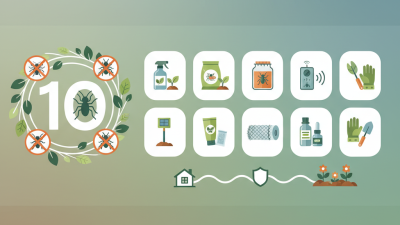
10 Outdoor Pest Control Tips: What to Address in Your Yard

This chart groups ten practical prevention actions by the attractants they address. The numbers count checklist actions—not measured pest reductions.

Reduce Standing Water and Excess Yard Moisture

Standing water can turn a quiet yard into a breeding spot for mosquitoes and other pests. After rain, check plant saucers, children’s toys, tarps, and low spots near the patio. Empty small containers at least weekly, and turn them upside down when they are not in use. It takes only a shallow puddle to create a problem. I sometimes miss water caught in folded tarps, so check from more than one angle.

Tips: Clear leaves from gutters and downspouts so water drains away from the house. Fix dripping outdoor taps and leaky irrigation lines. If a birdbath stays in the yard, refresh its water every few days and scrub away slippery buildup. Keep an eye on the area after watering, too.

For damp patches that persist, look for compacted soil, blocked drains, or a sprinkler aimed at a wall. Adjusting a sprinkler head may be enough. Avoid piling mulch against siding, and leave space for air to move around shrubs. If water remains for days, or the yard slopes toward your foundation, ask a qualified drainage professional to assess the cause. A quick fix can shift water somewhere less obvious.

Seal Structures and Add Physical Barriers

A useful yard inspection starts at ground level. Walk the foundation slowly and check where pipes, cables, and siding meet. Even a narrow gap can offer insects a sheltered route indoors. Fit door sweeps tightly, repair torn window screens, and seal suitable cracks with weather-resistant materials. Small details matter. Do not cover vents or drainage openings; blocked airflow can create moisture problems that attract other pests.

Physical barriers work best when they are maintained. Install fine-mesh screens over openings, and keep mulch, leaves, and firewood from touching exterior walls. Where pipes pass through masonry, use an appropriate filler that will not crumble or trap water. The National Pest Management Association estimates termites cause more than $5 billion in property damage annually in the United States. That figure makes routine checks worthwhile, though sealing alone cannot guarantee protection.

Look again after storms, landscaping work, or seasonal temperature changes. Caulk can split, door sweeps can loosen, and a neat-looking repair may leave a hidden opening behind it. It is tempting to seal every visible gap, but some openings serve ventilation or drainage. Check their purpose before closing them. A flashlight and a few minutes can reveal missed edges, but a careful inspection still has limits.

Apply Targeted Controls and Monitor Results

Targeted control starts with knowing what is causing the damage. Check leaf undersides, fence lines, and damp soil before treating anything. Note the pest, its numbers, and the exact spots where activity appears. A few clipped leaves may not justify broad treatment. I sometimes find that the first suspected culprit is wrong, so a clear photo or local identification advice can prevent wasted effort. Small steps matter. Remove standing water, trim dense growth, or seal a gap when those changes address the cause.

If a control is needed, choose one suited to the identified pest and follow its label exactly. Keep treatments away from children, pets, food crops, and flowering plants whenever the label requires it. Avoid spraying on windy days, when drift can reach nearby gardens or water. Then record the date and check the same plants or trap locations each week. Compare counts, not just impressions. Rain, heat, and mowing can change pest activity, so results may be uneven. Change one control at a time where practical; otherwise, it is hard to tell what helped. If numbers keep rising, pause and reassess the identification rather than repeating an ineffective treatment.

10 Best Outdoor Pest Control Tips for Your Yard - Apply Targeted Controls and Monitor Results

# Targeted Tip Practical Action When to Apply What to Monitor
1 Remove standing water Empty, turn over, or cover containers that collect water, such as buckets, plant saucers, and toys. Refresh water in animal bowls regularly. Check at least weekly and after rainfall. Look for newly collected water and mosquito larvae in items that cannot be emptied.
2 Keep gutters and drains clear Remove leaves and other debris so water can flow freely. Fix persistent leaks or drainage problems where practical. Inspect regularly, especially during rainy or leaf-fall seasons. Check for blockages, standing water, and damp areas near the house.
3 Reduce hiding places Clear excess leaf litter, discarded materials, and dense piles of yard debris. Store firewood neatly off the ground and away from the house. Maintain throughout the year; tidy areas during routine yard work. Look for pest activity beneath stored materials and along foundations.
4 Trim vegetation near buildings Prune branches and dense plants that touch siding, roofs, or outdoor structures. Keep access routes around the foundation visible. As plants grow and whenever vegetation contacts the building. Check for pest trails, damaged plants, and new points of contact.
5 Seal likely entry points Repair gaps around utility lines, doors, and foundation openings with suitable materials. Fit or repair screens where needed. Inspect seasonally and after repairs or weather damage. Watch for new gaps, droppings, gnaw marks, or recurring activity near openings.
6 Manage food and waste outdoors Use tightly closed bins, clean up spilled food, and avoid leaving pet food outdoors overnight. After meals, gatherings, and routine waste handling. Note whether pest visits decrease around bins, patios, and feeding areas.
7 Use traps to identify activity Place appropriate monitoring traps near signs of activity, following the trap instructions and keeping them away from children and pets. Check on a consistent schedule, such as weekly. Record trap location, pest type, and catch counts to identify hotspots and changes over time.
8 Choose targeted baits when appropriate Use a bait intended for the identified pest and place it near its activity, not across the entire yard. Follow all label directions. Apply only when monitoring confirms the target pest is present. Check bait use and pest activity at the placement site; replace or remove bait as directed by the label.
9 Limit pesticide use to the affected area If a pesticide is needed, select a product labeled for the target pest and outdoor site. Avoid blanket applications and protect people, pets, and nearby water. Use only when needed and under the conditions stated on the product label. Recheck the treated area after the label-specified interval and note whether activity has changed.
10 Protect pollinators and beneficial wildlife Avoid treating blooming plants or areas visited by pollinators. Follow label precautions, and use nonchemical methods where they can address the problem. Before every treatment, especially during flowering periods. Observe treated areas for unintended effects and adjust the approach if needed.
Use monitoring results to focus efforts on confirmed pest activity. Always follow product-label directions and local guidance.
chevron-right