How to Choose the Best Pest Control Spray?
Choosing the best pest control spray requires more than picking the strongest-looking bottle. The right choice depends on the pest, treatment area, active ingredient, and safety instructions. A kitchen ant trail needs different handling from mosquitoes around a garden. That difference matters.
Practical experience shows that accurate identification should come before spraying. Look for droppings, damaged materials, nesting points, or insects appearing at consistent times. A clear photograph can help a qualified pest professional confirm the problem. Guessing can waste money. It can also make control harder.
A reliable pest control spray should display complete directions, ingredient information, storage guidance, and clear warnings. Read the label carefully, even when the product seems familiar. Use only the amount recommended for the intended surface. More spray does not mean better results. It may leave unnecessary residue or create avoidable exposure.
Consider children, pets, food areas, ventilation, and nearby water sources before treatment. Remove uncovered food and allow treated surfaces to dry as directed. Never mix products unless the manufacturer specifically permits it. Local rules may also restrict certain ingredients or application methods, so check official guidance when uncertain.
This guide compares spray types, application settings, safety features, and realistic effectiveness. It also explains when non-chemical methods may work better, such as sealing cracks or removing standing water. Some recommendations will depend on the situation. That is the honest part.
Good pest control is measured by lasting improvement, not a strong smell or instant insect movement. If pests return repeatedly, professional inspection may be more appropriate than repeated spraying.
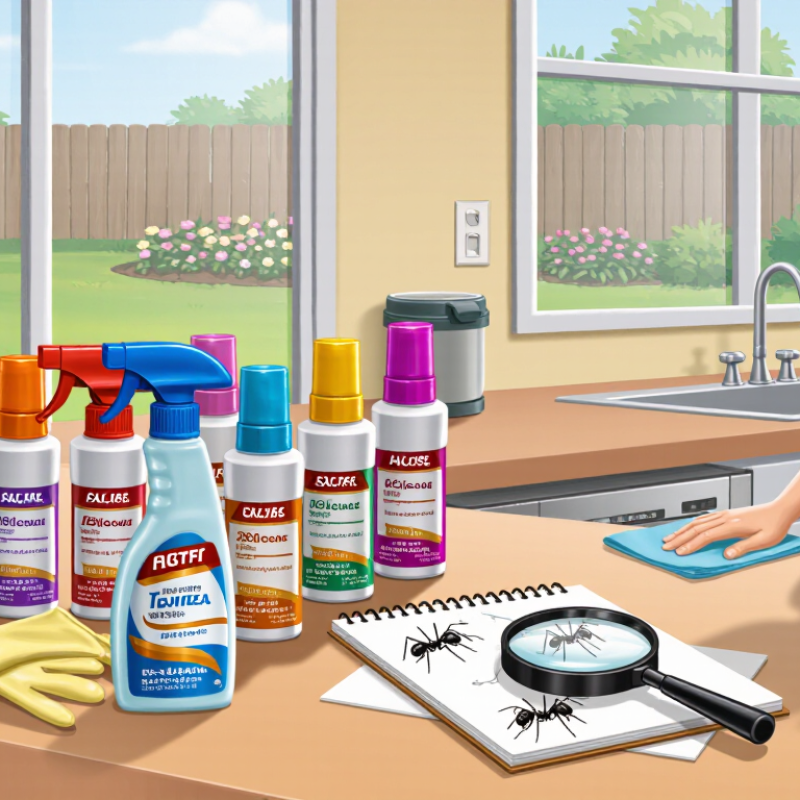
Identify the Pest: NPMA Reports $5 Billion in U.S. Termite Damage Annually
How to Choose the Best Pest Control Spray?
Identify the pest before choosing a spray. Termites, ants, and wood-boring beetles require different treatments. Misidentification can waste money and hide serious damage. The NPMA reports that termites cause about $5 billion in U.S. property damage each year. That figure deserves attention. Termites may leave floors, window frames, or wall edges looking slightly swollen. Tiny discarded wings can appear near a windowsill after swarming.
A careful inspection should come before spraying. Check damp wood, crawl spaces, and soil near the foundation. Look for mud tubes, hollow-sounding timber, or blistered paint. A flashlight helps reveal narrow cracks and hidden activity. Surface sprays may kill visible insects, but they often cannot reach an established colony. This is where experience matters. Treating only the insects you see can create false confidence.
Choose a product labeled for the identified pest and intended application area. Read the directions, protective equipment requirements, and reapplication limits. Do not spray randomly around children, pets, food, or water sources. If damage extends behind walls, professional inspection is the safer choice. Licensed technicians can distinguish active termites from old damage and recommend targeted treatment. Even experts can miss concealed entry points. That possibility should encourage careful follow-up, not careless overuse.
Match Active Ingredients to Targets Using EPA-Registered Product Data
How to Choose the Best Pest Control Spray?
Choosing a pest control spray starts with accurate identification. Ants, roaches, mites, and beetles may need different active ingredients. Check the product’s EPA registration number and search its official registration data. Confirm the listed pest matches your problem. The active ingredient matters more than bold packaging claims. A spray labeled “fast acting” may not control hidden eggs or nests. Small details matter.
Read the label before comparing prices or concentration. Check approved indoor and outdoor sites, application rates, ventilation rules, and reentry instructions. Never assume a stronger formula is automatically better. It may increase exposure without improving control. Look for evidence supporting the specific pest claim. Registration does not guarantee success in every building or climate. Moisture, cracks, food sources, and resistance can change results.
Use targeted treatment instead of covering every surface. Keep children, pets, food, and aquariums away as directed. Gloves and ventilation may be required. Reliable control often combines spraying with sanitation, sealing gaps, and repairing leaks. I have learned that misidentifying the pest creates wasted effort quickly. I still question simple solutions. A registered product can be appropriate yet poorly applied. The label remains the controlling source for safe, lawful use.
How to read this chart: A value of 1 means the target category appears on at least one current EPA-registered product label for products using the active ingredient; 0 means it is not included in this screening comparison. This is a label-target index, not an efficacy rating. Always verify the current EPA-approved label before use.
Data basis: Generic active ingredients and target categories were matched using publicly available EPA pesticide product and label information. Target coverage can vary by formulation, concentration, application site, and registration.
Compare Aerosols, Concentrates, Baits, and Residual Sprays by Application
How to Choose the Best Pest Control Spray?
Choosing a pest control spray starts with the pest, not the bottle. During home inspections, I have seen people use aerosols on large areas. The result was often weak coverage and unnecessary indoor odor. Aerosols suit quick, targeted treatments, such as ants around a window frame or insects hiding beneath a sink. Use short bursts and keep the nozzle close to the crack.
Concentrates work better for larger surfaces when properly diluted. They can cover walls, foundations, and outdoor entry points evenly. However, measuring errors may reduce performance or create avoidable exposure. Residual sprays leave an active layer after drying, making them useful around doors, baseboards, and plumbing gaps. Baits work differently. They attract pests, allowing the pest to carry the material back to hidden areas. Baits may outperform sprays when nests are concealed, but placement matters. I once relied too heavily on surface treatment and missed moisture beneath a cabinet.
Tips:
Read the full label before mixing or applying anything. Wear the stated protective equipment. Keep children and pets away until the treated area is dry. Never spray food surfaces without label approval. Ventilate indoor spaces carefully. Check whether the product is intended for indoor or outdoor use. Start with the smallest effective area, then inspect again after several days. If activity continues, improve sanitation and seal entry points instead of spraying repeatedly.
Assess Human and Pet Safety Through EPA Toxicity and Reentry Standards
How to Choose the Best Pest Control Spray?
Human and pet safety starts with the EPA-approved label, not the front-panel promise. EPA classifies pesticide products into four acute toxicity categories. Category I represents the highest toxicity, while Category IV represents the lowest. Signal words such as “Danger,” “Warning,” and “Caution” reflect this classification. They do not measure every long-term health risk. The National Pesticide Information Center notes that exposure depends on dose, route, and duration. A small spill on a kitchen floor still deserves careful cleaning.
Reentry rules matter just as much. The label may require people and pets to leave until the spray dries, or for a stated number of hours. Never assume “dry” means completely risk-free. Ventilation, residue on toys, and licking paws can change practical exposure. EPA’s Pesticide Industry Sales and Usage reports show that millions of pounds of pesticides are used in homes, buildings, and public spaces each year. That scale makes label literacy essential. I have found that rushed applications create more uncertainty than stronger formulas. My own judgment can also be wrong when the label is unclear.
Tips: Read the EPA registration number and signal word. Check the exact reentry interval. Remove food, bowls, toys, and bedding before spraying. Keep pets away until the label permits access. Wash treated surfaces when directed. If symptoms appear, contact a medical professional or an animal veterinarian, and retain the product label. EPA and NPIC guidance should support, not replace, professional advice.




 Products
 Search