China Top Cockroach Bait Manufacturers How to Choose?
China’s cockroach bait market offers many choices, but product quality can vary sharply between suppliers. A professional buyer must look beyond attractive packaging, low prices, and impressive factory photos. Effective cockroach bait should attract target species, remain stable in humid rooms, and deliver consistent results during practical use. The details matter. A gel that dries beside a kitchen sink may fail quickly.
Urban entomologist Dr. Bobby Corrigan has stated, “Sanitation is the foundation of cockroach control.” His point remains important when comparing Chinese manufacturers. Bait cannot replace cleaning, moisture reduction, or proper inspection. It works best within an integrated pest management program. This guide examines how buyers can assess formulation quality, active ingredients, palatability testing, production standards, and batch consistency.
Experience also reveals uncomfortable truths. A supplier may provide laboratory data but limited field evidence. A certificate may look convincing but require careful verification. Even a strong formula can perform poorly when stored incorrectly or applied in the wrong location. No manufacturer is perfect. That is why responsible sourcing requires samples, technical questions, factory audits, and independent testing when necessary.
The best manufacturer is not always the cheapest one. Reliability includes clear documentation, responsive communication, stable supply, and honest discussion of limitations. Buyers should also confirm lawful labeling and market-specific compliance before importing or distributing any cockroach bait. This article introduces practical questions for comparing China’s leading manufacturers, without treating marketing claims as proven performance.
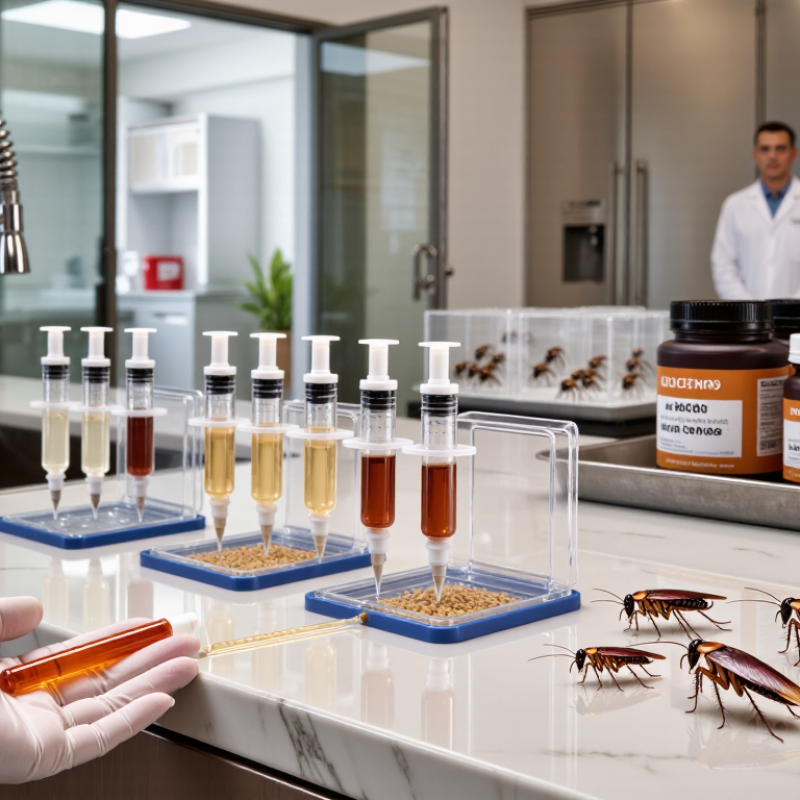
Identify the Pest: German Roach Oothecae Contain 30–40 Eggs
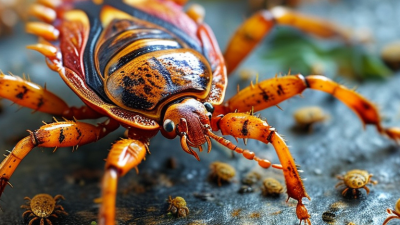
German cockroach oothecae often contain 30–40 eggs, making a small infestation grow quickly. The female may carry the capsule until hatching, protecting the developing nymphs. A few visible roaches can therefore signal a larger hidden population.
When choosing a cockroach bait manufacturer in China, ask how its products address this reproductive cycle. Effective bait should attract German roaches, remain palatable, and work through ingestion and transfer within harborages. Request laboratory data, ingredient specifications, batch records, and independent performance reports. Field testing matters more than attractive packaging. Check results from kitchens, storage rooms, and warm equipment areas. Baits should stay stable under realistic temperature and humidity conditions.
I have learned that a confident sales sheet is not proof. Ask for clear test methods and dates. Do not accept vague claims about instant control. Manufacturing quality also deserves close attention: sealed packaging, traceable lot numbers, contamination controls, and consistent particle size can affect feeding behavior. The supplier should explain safe handling and provide documents required for lawful use in your market. One weakness remains easy to miss. A bait may perform well in a laboratory but fail when competing food is abundant. Small pilot trials can reveal that gap before larger purchasing decisions.
Compare Bait Formats and Actives: Gel, Stations, Fipronil, and Indoxacarb
China Top Cockroach Bait Manufacturers: How to Choose?
Compare Bait Formats and Actives: Gel, Stations, Fipronil, and Indoxacarb
Choosing a cockroach bait manufacturer requires more than checking price. Review formulation records, factory testing, and batch consistency. Ask for clear active-ingredient percentages and safety documents. Experienced suppliers should explain where each format works best. Gel bait suits cracks, corners, and areas needing discreet placement. It spreads through targeted applications and needs regular inspection. Stations offer better control in homes, warehouses, and public areas. They also reduce accidental contact when placed correctly.
Fipronil often provides strong transfer effects against cockroach populations. Indoxacarb works differently and can support rotation strategies. Neither active is automatically better. Results depend on species, bait freshness, sanitation, and placement. A reliable manufacturer should provide test data from realistic conditions. Laboratory results alone may not reflect a greasy kitchen or dusty storeroom. That difference matters. Some suppliers may overstate performance, and buyers should question unsupported claims.
Tips: Match the format to the site, not the brochure. Check whether stations resist moisture and tampering. For gels, inspect nozzle control and drying time. Ask about storage temperatures and shelf life. Confirm instructions for trained users and local compliance. Keep records of each batch and observed results. If one active fails repeatedly, review food sources and placement before changing products. I have found that rushed comparisons often miss these practical details. A small field trial can reveal weaknesses early.
Audit Chinese Factories: ISO 9001, GMP, COA, and Batch Traceability
China Top Cockroach Bait Manufacturers: How to Choose?
Audit Chinese Factories: ISO 9001, GMP, COA, and Batch Traceability
Choosing a cockroach bait manufacturer requires more than comparing prices. During factory audits, inspect the production floor, not only the sales office. Check whether ISO 9001 procedures control purchasing, mixing, packaging, and complaint handling. Ask to see current certificates, issuing bodies, and covered production sites. A certificate can be real but still irrelevant.
GMP controls matter where hygiene, handling, and contamination risks affect product quality. Look for clean zones, labeled raw materials, calibrated scales, and written cleaning records. Request a recent COA for each major batch. It should identify specifications, test methods, results, and approval signatures. Compare the document with retained samples and production records. Small gaps matter.
Batch traceability should work backward and forward. Give the auditor a batch number and request raw material lots, operators, equipment, dates, packaging records, and shipment details. A reliable factory can complete this exercise quickly. Test it yourself. Paperwork may look polished. The system may still fail under pressure. I have seen records completed neatly after production, which weakens confidence. Ask how deviations are investigated, corrected, and verified. Review training logs, internal audits, and rejected-batch controls. Before signing, inspect one complete closed-batch file.
Evaluate Efficacy: 14-Day Mortality, Transfer Kill, and Residual Control
China’s top cockroach bait manufacturers should be judged by evidence, not packaging claims. Ask for a controlled 14-day mortality report using German cockroaches and defined infestation levels. The U.S. EPA’s product-performance guidance emphasizes untreated controls, replication, and clear observation periods. A reliable report should show temperature, humidity, bait placement, sample size, and mortality calculations. Peer-reviewed urban-entomology studies have reported efficacy gaps exceeding 50 percentage points between formulations against resistant strains. As a screening benchmark, buyers can seek at least 90% mortality by day 14. That benchmark is not universal.
Transfer kill needs separate evidence. A poisoned cockroach may spread residues through feces, regurgitation, or body contact. Ask for cage studies measuring secondary mortality, not only photographs of dead insects. The report should include untreated recipients and mortality readings at 24, 48, and 72 hours. Residual control also matters. FAO and WHO pesticide-management guidance stresses formulation stability, correct placement, and resistance management. Request results after seven, 14, and 28 days, including exposure to dust, heat, and routine cleaning. In field audits, bait can look strong on day one yet weaken quickly after repeated cleaning. That weakness deserves attention. Published studies in the Journal of Economic Entomology also show that laboratory success may decline under resistant populations. Compare independent laboratory data with local field trials, and request raw tables before selecting a supplier.
Confirm Compliance: China, EPA, and EU Rules Before Setting MOQ
China Top Cockroach Bait Manufacturers: How to Choose?
Before discussing MOQ, confirm which rules apply in the destination market. In China, cockroach bait may require pesticide registration, approved labeling, and compliant production documentation. Classification can depend on the active ingredient, claims, and intended use. Ask the manufacturer for registration details, a current SDS, product specifications, batch records, and test reports. Do not rely on a sales sheet alone.
For the United States, check whether the product needs EPA registration before import or sale. The label, formulation, manufacturing site, and claims must match the approved regulatory pathway. For the European Union, review Biocidal Products Regulation requirements, active substance approval, product authorization, and local language labeling. An EU distributor may also need specific authorization duties. Get written advice from a qualified compliance specialist when classification is uncertain.
Only set MOQ after these checks. A factory may offer a small trial order, but that does not prove legal market access. Confirm packaging dimensions, child-resistant features, shelf-life data, storage conditions, and traceability codes. Request a pre-production sample and compare its label with the final documents. Small details matter.
A low MOQ can be attractive. It can also hide future costs. Product testing, registration, translation, and relabeling may exceed the first purchase price. I would rather delay the order than approve incomplete evidence. Still, requirements change, and a document can become outdated quickly. Recheck everything before signing.




 Products
 Search