

2026 Top Pyrethrin Spray Types for Global Buyers
Global buyers need more than a product name when evaluating pyrethrin spray in 2026. They need clear information about formulation, intended use, packaging, documentation, and local approval requirements. A spray selected for household insects may not suit food-processing areas, hospitality spaces, gardens, or professional pest-management programs.
This guide examines the leading pyrethrin spray types available across international markets. It compares ready-to-use bottles, concentrated formulations, aerosols, and water-based options. Each type creates different purchasing questions. Does the label identify the active ingredients clearly? Is the product registered for its stated use? Can the packaging withstand long-distance shipping, temperature changes, and warehouse handling?
Small details matter.
Reliable buyers should review safety data sheets, technical specifications, batch information, and manufacturer credentials. Independent testing or recognized certification can strengthen confidence, but neither replaces local regulatory review. Requirements differ between countries, regions, and application settings. A formula accepted in one market may require different labeling elsewhere.
Practical purchasing experience suggests that convenience often hides limitations. Ready-to-use products simplify handling, while concentrates may reduce transport volume but demand controlled dilution. Aerosols offer targeted delivery, yet ventilation and storage conditions deserve careful attention. Water-based products may support easier cleanup, although performance can vary by surface and environment.
No single formula fits every market. That assumption can fail.
This introduction also considers ingredient transparency, responsible use, shelf stability, and supplier communication. Buyers should confirm claims through official labels and current government guidance. Product comparisons are useful, but they should support—not replace—professional judgment and lawful purchasing decisions.
Pyrethrin Spray Basics and Key Active Ingredients
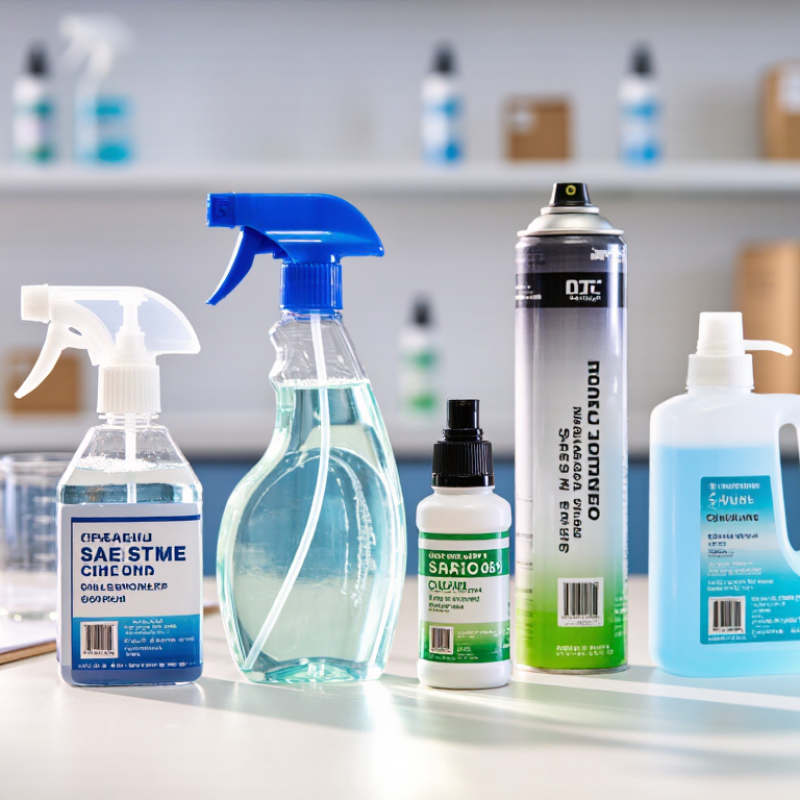
Pyrethrin spray selection begins with chemistry, not packaging. Natural pyrethrins are six related esters extracted from chrysanthemum flowers. Synthetic pyrethroids imitate their nervous-system action but differ in stability, persistence, and regulatory classification. The US Environmental Protection Agency describes pyrethrins as fast-acting insecticides affecting insect nerve signals. They can also harm aquatic organisms when misapplied.
Common spray types include ready-to-use liquids, emulsifiable concentrates, and water-based suspension products. Ready-to-use sprays fit small indoor areas and household spot treatment. Concentrates support calibrated dilution for agricultural or commercial applications. ULV formulations create very fine droplets for trained professional use. Piperonyl butoxide often serves as a synergist, improving pyrethrin performance rather than acting as the primary insecticide. Formulation matters greatly.
Global buyers should compare active-ingredient concentration, target pests, residual claims, nozzle pattern, and re-entry instructions. Do not judge performance by percentage alone. The National Pesticide Information Center links exposure risk with route, dose, and formulation. WHO’s World Malaria Report 2023 recorded 249 million malaria cases in 2022, underlining the importance of precise vector-control decisions. FAOSTAT reported approximately 3.7 million tonnes of pesticide active ingredients used worldwide in 2022. That figure needs context; it does not measure pyrethrin use specifically. My practical concern is often overlooked: a technically strong spray can fail when dilution, ventilation, or storage instructions are ignored.
| Spray Type | Key Active Ingredient(s) | Ingredient Class | Typical Target Pests | Common Application Areas | Residual Profile | Key Buyer Considerations |
|---|---|---|---|---|---|---|
| Botanical Pyrethrin Contact Spray | Natural pyrethrins, consisting mainly of pyrethrin I, pyrethrin II, cinerin I, cinerin II, jasmolin I, and jasmolin II | Natural botanical insecticide | Aphids, whiteflies, thrips, mosquitoes, flies, and other exposed soft-bodied insects | Ornamental plants, greenhouse crops, home gardens, public-health and household applications where permitted | Generally short; activity is reduced by sunlight and environmental exposure | Fast knockdown; often formulated with a synergist such as piperonyl butoxide. Check crop, indoor-use, and residue requirements in the destination market. |
| Pyrethrin Aerosol or Ready-to-Use Spray | Natural pyrethrins, sometimes combined with piperonyl butoxide | Botanical pyrethrin formulation | Flies, mosquitoes, ants, cockroaches, and other household or facility pests | Indoor spaces, cracks and crevices, food-handling areas when specifically labeled, and non-food areas | Short residual effect; primarily provides contact and rapid knockdown | Convenient for small-area use. Aerosol propellants, ventilation instructions, and food-contact restrictions vary by formulation and jurisdiction. |
| Permethrin Spray | Permethrin | Synthetic pyrethroid, IRAC Group 3A | Mosquitoes, flies, ticks, ants, fleas, beetles, caterpillars, and other labeled insects | Public-health, household, structural, agricultural, and vector-control uses, subject to local registration | Usually longer-lasting than natural pyrethrins, but persistence depends on surface, sunlight, weather, and formulation | Broad-spectrum active ingredient with contact and stomach action. Confirm permitted uses, maximum application rates, and residue limits. |
| Deltamethrin Spray | Deltamethrin | Synthetic pyrethroid, IRAC Group 3A | Cockroaches, ants, flies, mosquitoes, beetles, moths, and other labeled pests | Structural pest control, stored-product areas, public-health programs, and selected agricultural uses | Moderate to long residual performance on suitable treated surfaces | Potent at low use rates in many formulations. Aquatic toxicity and label-specific application restrictions require careful compliance. |
| Cypermethrin Spray | Cypermethrin | Synthetic pyrethroid, IRAC Group 3A | Ants, cockroaches, mosquitoes, flies, termites, caterpillars, and various agricultural pests | Structural, agricultural, livestock-premise, and vector-control applications where registered | Moderate residual activity; performance varies with formulation and treated surface | Available in different isomer compositions and concentrations. Buyers should verify the exact active-ingredient specification and local registration status. |
| Bifenthrin Spray | Bifenthrin | Synthetic pyrethroid, IRAC Group 3A | Ants, termites, ticks, spiders, beetles, caterpillars, and other labeled pests | Structural perimeter treatments, turf, ornamental plants, and selected crop applications | Relatively persistent on certain treated surfaces compared with natural pyrethrins | Useful where residual barrier performance is required. Aquatic environmental precautions and application-site restrictions are important. |
| Fast-Acting Space or Contact Spray | Tetramethrin, prallethrin, allethrin, or related synthetic pyrethroids | Synthetic pyrethroid, IRAC Group 3A | Flies, mosquitoes, wasps, cockroaches, and other flying or crawling insects | Indoor space treatment, household pest control, and selected public-health uses | Usually short to moderate; designed primarily for rapid knockdown | Often combined with another active ingredient or a synergist. Confirm ventilation, re-entry, flammability, and indoor-use requirements. |
| Microencapsulated Pyrethroid Spray | Permethrin, deltamethrin, cypermethrin, or another registered pyrethroid in a microencapsulated formulation | Controlled-release synthetic pyrethroid formulation | Ants, cockroaches, mosquitoes, flies, ticks, and other labeled pests | Structural perimeter treatments, public-health programs, commercial premises, and selected outdoor applications | Potentially extended residual performance compared with conventional emulsions, depending on surface and weather | Can improve release control and surface persistence. Evaluate capsule technology, spray-equipment compatibility, worker safety, and environmental labeling. |
| Agricultural Pyrethroid Emulsifiable Concentrate | Permethrin, cypermethrin, deltamethrin, bifenthrin, or another approved pyrethroid | Synthetic pyrethroid, IRAC Group 3A | Caterpillars, beetles, aphids, thrips, plant bugs, stink bugs, and other crop pests listed on the label | Field crops, vegetables, fruit, cotton, ornamentals, and other registered crops | Varies from short to moderate and is influenced by UV exposure, rainfall, crop canopy, and formulation | Use only on registered crops and at labeled rates. Resistance management should include rotation with effective insecticides from different mode-of-action groups. |
| Water-Based Low-Odor Pyrethroid Spray | A water-dispersible formulation of a registered pyrethroid such as permethrin, deltamethrin, or cypermethrin | Water-based synthetic pyrethroid formulation | Household, structural, ornamental, and other pests specified by the product label | Indoor and outdoor applications where water-based formulations are authorized | Depends on the active ingredient, surface porosity, weather, and formulation technology | Lower solvent odor than many solvent-based products. Buyers should check freeze stability, storage conditions, packaging compatibility, and local label claims. |
Related Posts
-
2026 Best Bed Bug Spray Options to Eliminate Infestations Effectively?
-

Top 10 Effective Pests Control Methods Every Buyer Should Know?
-
Top 10 Cockroach Gel Products to Buy for Global Market Needs?
-
How to Choose the Most Effective Bed Bug Treatment
-
How to Effectively Control Pests in Your Home and Garden?
-

How to Effectively Treat Bed Bugs at Home?
 Products
 Search