How to Effectively Use Pest Control Spray in Your Home?
In today's world, maintaining a pest-free home is essential for comfort and health. Many homeowners turn to pest control spray as an effective solution. This powerful tool can eliminate various insects and rodents that invade our living spaces. However, to use pest control spray effectively, certain precautions and techniques must be followed.
When applying pest control spray, it’s important to read the label. Each product has specific instructions, including safety measures. Use spray in well-ventilated areas. Protect your pets and children by keeping them away during application. Proper timing can also enhance effectiveness. Applying at dusk or dawn, when pests are most active, may yield better results.
Overuse of pest control spray can lead to resistance. It is crucial to rotate products and observe pest behavior. If an infestation persists, consider consulting a professional. They have the expertise to identify underlying issues. Ultimately, using pest control spray safely and wisely can lead to a pest-free environment, enhancing your living space's overall quality.
Choosing the Right Pest Control Spray for Your Needs
Choosing the right pest control spray for your needs involves understanding the types of pests you are dealing with. Many households face common issues with ants, roaches, and spiders. According to the National Pest Management Association, nearly 80% of American homes encounter pests at least once a year. Selecting a spray specifically designed for these pests can enhance effectiveness.
When considering a pest control spray, examine the ingredients. Some sprays may contain chemicals that are harmful to both humans and pets. The Environmental Protection Agency recommends looking for products with lower toxicity levels. Always read the label and safety instructions. Additionally, scientific research shows household pesticide exposure can lead to long-term health concerns. It's critical to balance pest management efficiency with safety.
Testing different sprays is advisable. Not every spray works the same for every home. Factors like humidity and the presence of children and pets will influence your choice. It may take time to determine which product works best for your situation. Documenting performance can help in future applications. Understanding these dynamics can lead to better pest control strategies in the long run.
Effectiveness of Different Pest Control Sprays
Reading and Understanding the Label Instructions Carefully
When using pest control spray, the label instructions hold vital information. Reading it thoroughly helps you understand what the product contains. Active ingredients determine its effectiveness against specific pests. You must also check for safety precautions. Some sprays require protective gear to prevent skin irritation. Others specify areas where the spray can be applied. Ignoring these details may lead to ineffective pest control or safety risks.
Understanding the application process is critical. The label often outlines the recommended amount to use. Over-spraying can harm your home environment. Conversely, under-spraying may not eliminate the problem. It’s crucial to pay attention to instructions about reapplication intervals. Many sprays remain effective for only a certain duration. Not adhering to these guidelines can result in recurring infestations. So, take time to digest all the information on the label.
Be aware of special instructions. Some products may advise against usage near food or pets. Such warnings are not just suggestions; they are there for your safety. Misusing the spray could lead to unwanted health issues. Reflect on past experiences where you might have overlooked label directions. Moving forward, you can create a more effective pest control strategy by prioritizing these instructions.
Preparing Your Home Before Applying Pest Control Spray
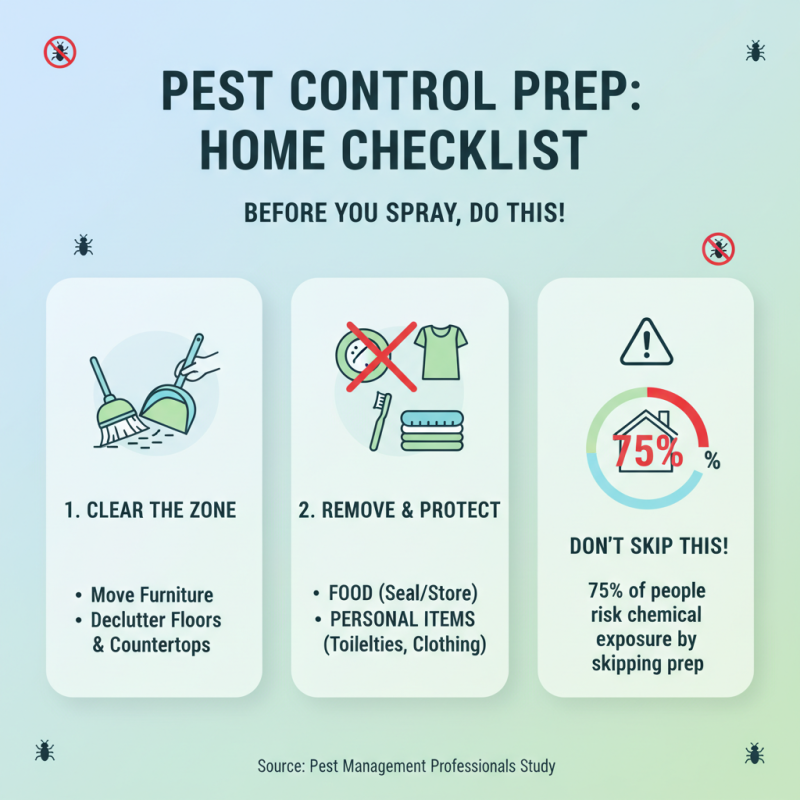
Before applying pest control spray, it’s essential to prepare your home properly. Start by clearing the area where you plan to spray. Remove any items, especially food and personal belongings. According to a study by pest management professionals, nearly 75% of consumers overlook this step, risking exposure to chemicals.
Ensure pets and children are out of the area during application. Research indicates that proper ventilation significantly reduces chemical exposure. Open windows and doors to allow fresh air to circulate. It is surprising, but data shows that nearly 50% of homeowners neglect this crucial step, leading to potential health risks.
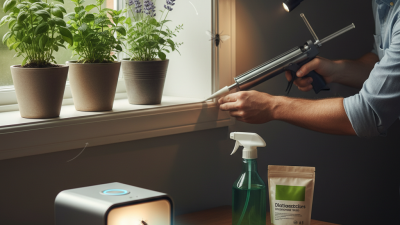
Inspect for cracks and crevices in walls or floors. These are entry points for pests, and addressing them can enhance the effectiveness of your spray. A report from a pest control industry expert suggests that sealing such gaps can reduce pest activity by up to 80%. After spraying, wait a designated time before re-entering, ensuring the area is safe. Failing to follow these guidelines could reduce efficacy and increase health risks, making thorough preparation vital.
Applying Pest Control Spray Effectively in Target Areas
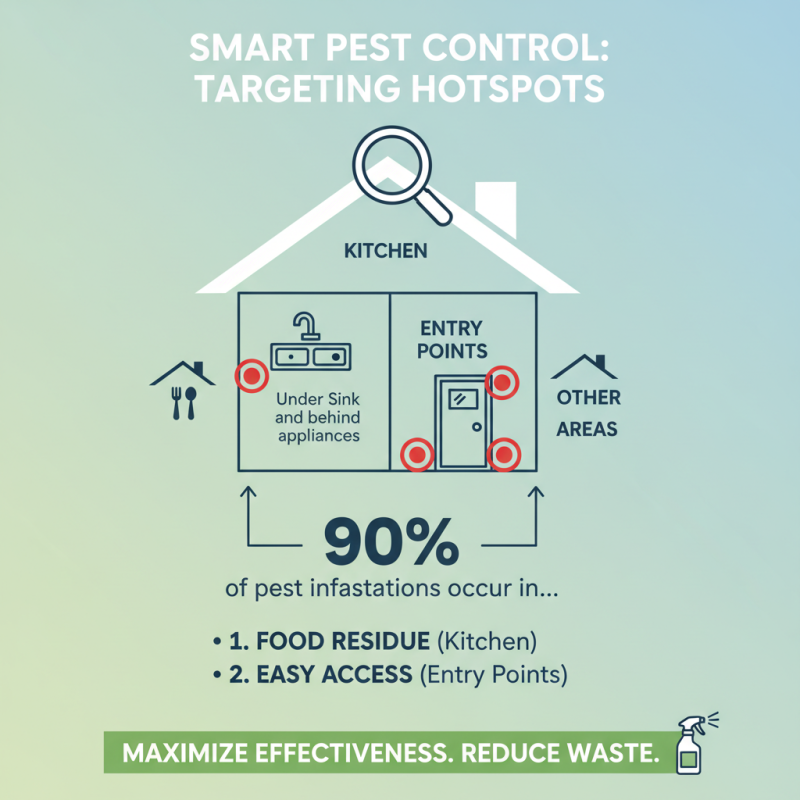
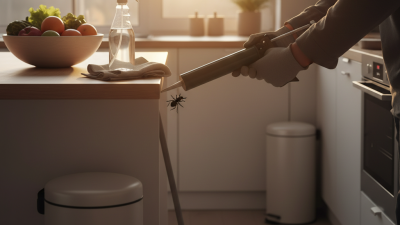
When applying pest control spray, targeting specific areas is crucial. Studies show that 90% of pest infestations occur in localized spots, such as kitchens and entry points. These areas often attract pests due to food residue and easy access. By concentrating on these hotspots, homeowners can significantly enhance their pest management efforts.
Effective application techniques also matter. A recent report indicated that misuse of sprays leads to a 30% increase in pest resistance. It’s essential to follow the manufacturer’s instructions carefully. Spot treating cracks, crevices, and corners will ensure that the spray reaches pest habitats. If you see pests elsewhere, a broader approach may be necessary, but avoid over-spraying.
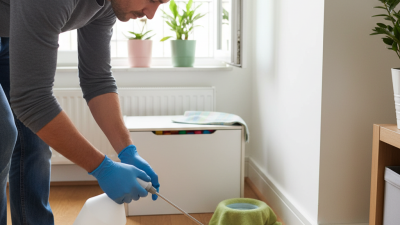
Checking for safety is vital. Some people may have sensitivities to certain chemicals. Using a mask and gloves can reduce exposure during application. Paying attention to these factors can make pest control more effective. However, it’s also important to reflect on the overall pest management strategy. Regular maintenance and monitoring can prevent larger infestations in the long run.
Ensuring Safety Precautions for People and Pets During Use
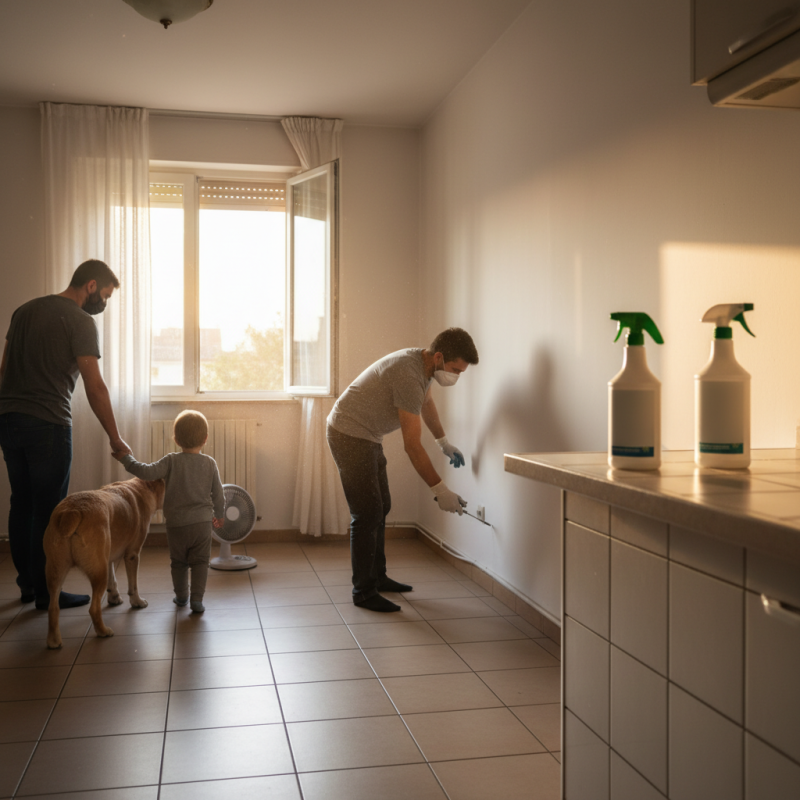
When using pest control sprays, safety for both people and pets is crucial. Many reports indicate that exposure to certain chemicals can pose health risks. The National Pesticide Information Retrieval System highlights that over 60,000 calls to poison control centers each year relate to pesticide exposure. This emphasizes the need for awareness during application.
Before using any pest control product, read the label carefully. Most sprays will recommend specific safety measures. Always ventilate the area well. Open windows and turn on fans to ensure proper air circulation. Avoid using sprays near food, toys, or pet bedding. It may be tempting to treat all areas at once. However, prioritizing safety means waiting until the area is clear.
Protect pets by removing them from treated spaces for at least several hours. Their smaller bodies can metabolize chemicals differently. The American Society for the Prevention of Cruelty to Animals (ASPCA) notes that many household products are toxic to pets. Using products only when absolutely necessary is wise. Consider less toxic alternatives when possible. This approach reduces risks while still effectively managing pests.
How to Effectively Use Pest Control Spray in Your Home? - Ensuring Safety Precautions for People and Pets During Use
| Aspect |
Details |
| Preparation |
Clear the area of children and pets, remove food and utensils. |
| Personal Safety |
Wear gloves and a mask to avoid inhalation and skin contact. |
| Ventilation |
Ensure good ventilation by opening windows and doors. |
| Application Technique |
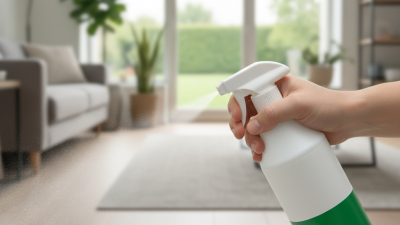
Hold the spray can 12-18 inches from the surface, use steady, even strokes. |
| Post-Application |
Keep the area closed off for the recommended duration mentioned on the label. |
| Storage |
Store the spray in a cool, dry place away from children and pets. |




 Products
 Search