Why Effective Insect Control is Crucial for Your Business?
Insect control is not just a seasonal concern for businesses. It is essential for maintaining a healthy environment for both employees and customers. Pests can carry diseases and damage property. This can lead to financial losses and harm a company's reputation.
Effective insect control strategies can help avoid these issues. Businesses must understand the risks associated with infestations. Regular inspections and targeted pest management practices can reduce these risks. However, not all insect control methods are equally effective. Some may even be harmful if not applied correctly.
Investing in professional pest control services is crucial for sustainable results. Experts bring knowledge and experience that can help tailor solutions to specific needs. Ultimately, a proactive approach to insect control protects a business's integrity and ensures long-term success. Reflecting on this can guide businesses in making better decisions in pest management.
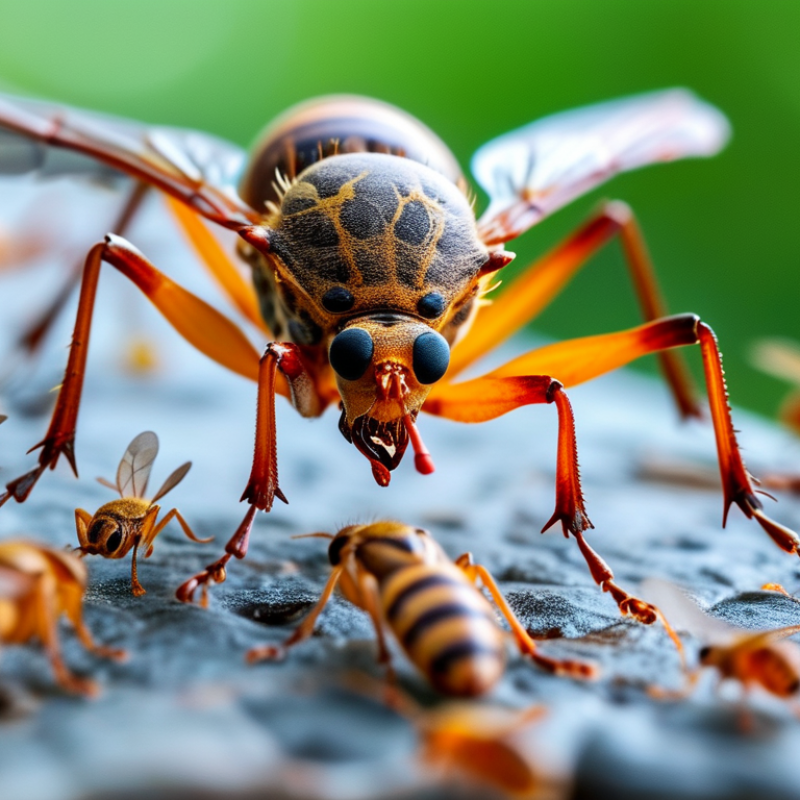
Importance of Insect Control in Business Operations
In any business environment, maintaining a clean and pest-free space is vital. Insects can lead to health risks and damage your reputation. For restaurants and food services, pests like cockroaches can contaminate food. For retail stores, insects can damage products. Every business is at risk if they ignore effective insect control.
Implementing a solid pest management plan is essential. Regular inspections can help identify potential problems before they escalate. Ensure that your facility is clean and well-maintained. This practice reduces the risk of infestations. Remember, proactive measures save time and money in the long run.
Tips: Seal all possible entry points. This includes cracks and gaps around doors and windows. Use proper food storage methods to minimize attraction. Keep garbage disposal areas clean and well-contained. Train employees to recognize signs of pest activity. These small steps can significantly enhance your insect control efforts. Reflect on your current strategies and make adjustments where needed.
Impact of Insect Infestations on Health and Safety Standards
Insect infestations can pose significant risks to health and safety standards in any business. They can spread diseases that affect employees and customers alike. For instance, flies can transmit bacteria that lead to foodborne illnesses. One outbreak can severely harm a company’s reputation and lead to legal issues.
The presence of pests often signals a lack of sanitation. This perception can deter customers, impacting revenue. A clean, pest-free environment is essential for maintaining health standards. Moreover, infestations can damage products and equipment. This might lead to costly replacements. Regular inspections and preventative measures are essential to mitigate these risks.
Addressing insect control isn't just about eradicating pests. It requires an understanding of ecology and hygiene. Businesses need effective strategies. However, many ignore signs of infestations until it's too late. Relying solely on treatments can lead to repeated issues. A proactive approach promotes a healthier space for everyone involved.
Economic Consequences of Neglecting Insect Management
Insect infestations can lead to significant economic losses for businesses. The presence of pests can harm your reputation. Customers may avoid establishments that do not prioritize cleanliness. Revenue may decline, making it hard to recover financially.
Implementing effective insect control is essential. Regular inspections can identify potential issues before they escalate. Educating staff about hygiene practices can also help. Ensure that trash is disposed of properly and that food is stored securely. A clean workspace is less attractive to pests.
Neglecting insect management can cause unexpected challenges. For instance, an infestation might lead to regulatory fines. Legal consequences can also arise from inadequate pest control measures. Always seek expert advice on best practices for your specific situation. Investing in quality insect management is not just a cost; it's a smart business decision.
Best Practices for Effective Insect Control Strategies
Effective insect control is vital for any business, as pests can disrupt operations and affect customer satisfaction. Establishing a robust strategy is crucial. Regular inspections can help identify problem areas and prevent infestations before they escalate. Utilize natural deterrents alongside chemical treatments. These practices promote safety for employees and clients.
Education is essential. Training staff on pest recognition can empower them to notice early signs of infestation. Encourage a clean workspace, as clutter attracts insects. Implement strict waste disposal policies to minimize food sources. Engaging with local pest control experts can also bring added knowledge. They provide insights specific to your industry.
Monitoring is another key aspect. Tracking pest activity enables businesses to address issues promptly. Consider using traps or digital monitoring systems. Sometimes, despite best efforts, pests may still appear. It's important to assess what went wrong and adjust strategies accordingly. Balancing proactive and reactive measures creates a more resilient pest management plan.
Why Effective Insect Control is Crucial for Your Business? - Best Practices for Effective Insect Control Strategies
| Insect Type |
Common Locations |
Impact on Business |
Control Methods |
Frequency of Control |
| Cockroaches |
Kitchens, warehouses |
Health risks, damage to reputation |
Sanitation, traps, pesticides |
Monthly |
| Rodents |
Store rooms, offices |
Food contamination, structural damage |
Exclusion, traps, rodenticides |
Quarterly |
| Ants |
Break rooms, entryways |
Food contamination, customer discomfort |
Baiting, sanitation |
Bi-weekly |
| Flies |
Restaurants, food production areas |
Health hazards, customer dissatisfaction |
Fly traps, sanitation |
Weekly |
| Bees |
Outdoor areas, gardens |
Stings, allergic reactions |
Professional removal, habitat modification |
As needed |
Long-Term Benefits of Investing in Pest Prevention Solutions
Investing in pest prevention solutions brings significant long-term benefits for any business. Effective insect control protects your brand’s reputation. A single pest sighting can lead to negative reviews. Customers are likely to share their experiences, especially in the digital age. Prevention reduces this risk.
Additionally, pest-related issues can disrupt operations. Insects can damage inventory, cause health violations, and lead to costly downtimes. Addressing infestations promptly is essential. However, many businesses only react when problems arise. This reactive stance can be costly. Instead, businesses should adopt a proactive approach, promoting a healthy environment.
Reliable pest management fosters a safe atmosphere for employees and clients alike. A clean, pest-free setting boosts morale and increases productivity. It reflects professionalism and care. Investing in prevention solutions can save money in the long run. Effective strategies always yield returns, keeping your business thriving and resilient.






 Products
 Search