Ultimate Tips for Effective Indoor Pest Control Solutions?
When it comes to indoor pest control, many homeowners feel overwhelmed. Pests can invade any space, causing damage, health issues, and distress. Effective solutions are essential to maintain a safe and comfortable home. This guide offers valuable tips for indoor pest control, focusing on practical strategies and reliable products.
Understanding the ecosystem of your home is crucial. An effective indoor pest control plan must address specific pest issues while considering potential consequences. Often, standard methods may not work, leading to frustration. Homeowners should explore a variety of techniques, from natural remedies to professional treatments.
Implementing these tips can help establish a pest-free environment. It’s important to reflect on your approach and adapt as needed. There is no one-size-fits-all solution. Each home is unique, requiring different methods and strategies. The goal is to find effective solutions for lasting results in indoor pest control.

Understanding the Importance of Indoor Pest Control for Health and Safety
Indoor pest control is crucial for maintaining a healthy living environment. Pests such as rodents and insects can carry diseases that impact health. They can trigger allergies and exacerbate asthma symptoms. Therefore, understanding effective pest control techniques is essential for safety.
To combat pests effectively, consider sealing entry points. Small gaps around windows and doors can be inviting. Use caulk or weather stripping to block these areas. Regularly check for leaks as standing water may attract pests. Keep your living areas clean and decluttered. Food residue can draw unwanted visitors.
Know your environment. Different pests thrive in various conditions. Use traps and natural deterrents specifically suited for the pest you encounter. Monitor for signs of infestations. Early detection can save time and effort later on. Small changes can lead to significant improvements in pest management.
Common Types of Indoor Pests and Their Impact on Living Environments
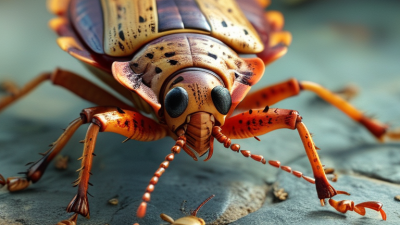
Indoor pests can significantly impact living environments, making awareness essential. Common types include ants, cockroaches, and rodents. Ant infestations often indicate food waste or spills. Their trails can become persistent, leading to larger colonies. Cockroaches thrive in warm, humid areas. They can trigger allergies and carry harmful bacteria. Rodents not only damage property but also pose health risks through droppings.
It's crucial to identify pest types to tailor control solutions. Many people overlook prevention. Simple changes can make a difference. Sealing entry points reduces access. Regular cleaning removes attractants. Still, there are challenges. Some pests hide well, making detection tough. Homeowners sometimes use ineffective methods, hoping for results. Patience is vital, as progress can take time, and professional advice may be necessary. Each situation is unique; reflection on what has or hasn’t worked is important.
Ultimate Tips for Effective Indoor Pest Control Solutions
| Pest Type |
Common Locations |
Health Risks |
Control Methods |
| Cockroaches |
Kitchens, Bathrooms |
Allergies, Asthma |
Bait Traps, Insecticides |
| Ants |
Pantries, Floors |
Food Contamination |
Boric Acid, Sugar Baits |
| Bed Bugs |
Bedrooms, Upholstered Furniture |
Skin Irritation, Sleep Disruption |
Heat Treatment, Insecticides |
| Dust Mites |
Bedding, Carpets |
Allergies, Asthma |
Regular Washing, HEPA Filters |
| Termites |
Wood Structures, Basements |
Structural Damage |
Boric Acid, Barriers |
| Rodents |
Garages, Attics |
Disease Transmission |
Traps, Poison Baits |
Proven Strategies for Preventing Indoor Pest Infestations
Indoor pest infestations can quickly become overwhelming. Implementing proven strategies helps keep your home pest-free. Regular cleaning is essential. Focus on areas like kitchens and dining rooms. These are common spots for pests to gather. Pay attention to crumbs and food spills.
Sealing entry points is another crucial step. Inspect windows, doors, and cracks. Use caulk to close gaps. Even small openings allow pests to enter. Maintain outdoor areas by trimming bushes and keeping trash bins closed. A tidy exterior discourages pests from approaching your home.
Consider natural repellents as part of your strategy. Essential oils like peppermint can deter insects. However, results may vary. Experiment to see what works best for your space. Be aware that sometimes, despite your efforts, unwelcome guests may appear. Observing their behavior helps you adjust your methods. Small adjustments can lead to significant improvements in pest control.
Ultimate Tips for Effective Indoor Pest Control Solutions
Effective Chemical and Natural Treatments for Pest Management
Indoor pest control can be effective through a mix of chemical and natural methods. Chemical treatments, like sprays and traps, can quickly eliminate pests. However, they often come with risks, including health concerns and environmental impact. Always read labels carefully and use them as directed. Sometimes, these solutions might not reach hidden nests, leading to repeated infestations.
Natural treatments offer a safer alternative, but they require patience. Diatomaceous earth can deter ants and roaches. Essential oils, such as peppermint, can repel various pests, adding a pleasant scent to your home. Homemade traps using vinegar or soapy water can effectively catch insects without toxic chemicals. Yet, these solutions may not work for severe infestations.
Consider combining methods for better results. Chemical sprays can eliminate visible pests, while natural remedies prevent future ones. A comprehensive approach may require adjustments as you observe what works best in your specific situation. Frequent assessments of your pest control strategy can help you refine your methods and ensure a pest-free environment over time.
Integrating Regular Inspections into Your Pest Control Routine
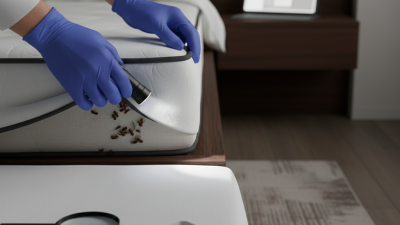
Regular inspections are key to an effective indoor pest control routine. Inspecting your space every month helps identify problems early. Look for droppings, nests, or visible pests. These signs usually indicate a larger issue. By catching infestations early, you can save time and costs associated with extensive treatments.
A checklist can streamline the inspection process. Focus on common areas like kitchens and basements. Check for cracks in walls and gaps around windows. Pay attention to food storage areas. Even minor spills can attract pests. Keeping records of your inspections can help spot patterns over time.
Consider involving professionals for thorough evaluations. Their expertise ensures no detail goes unnoticed. They can recommend personalized strategies for your space. Reflect on your routine, and be open to making changes as needed. This approach fosters a proactive mindset and enhances your pest control effectiveness. Regular inspections are not a one-time task; they are a crucial part of your ongoing preventive measures.




 Products
 Search