What Are the Different Pipe Flange Types ODM Buyers Need?
The global pipe flange market showcases a diverse range of options tailored for various applications. According to a recent industry report, the pipe flange market is expected to witness substantial growth, driven by infrastructure developments and energy projects. Understanding different Pipe Flange Types Odm is crucial for buyers to make informed decisions.
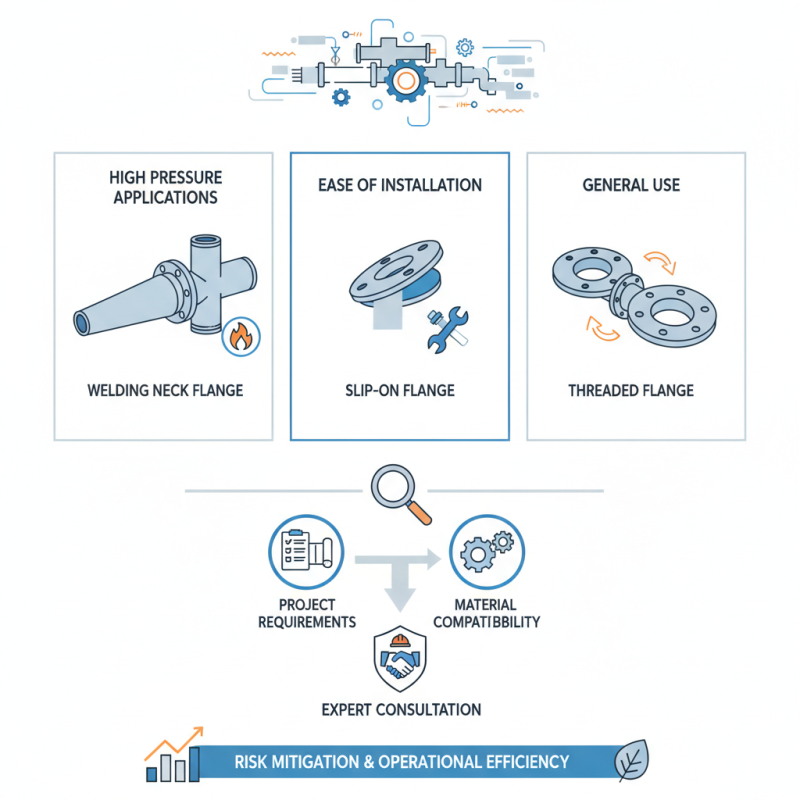
Different applications require specific flange types to ensure safety and reliability. For example, welding neck flanges provide excellent strength for high-pressure applications. Meanwhile, slip-on flanges offer ease of installation. However, selecting the right type can be challenging. It demands a deep understanding of the project requirements and material compatibility.
Furthermore, errors in flange selection can lead to costly repairs. ODM buyers must emphasize accuracy and consultation with experts in the field. Professional guidance ensures that the chosen pipe flange types align with project specifications. This approach not only mitigates risks but also enhances operational efficiency. The right selection promotes long-term success and sustainability in pipe systems.
Types of Pipe Flanges: An Overview for ODM Buyers
When considering pipe flanges, ODM buyers face diverse options tailored to specific applications. Flanges serve as critical components, connecting pipes and ensuring leak-proof joints. There are several types of flanges available, each with its unique characteristics. Weld neck flanges are often used in high-pressure applications. They provide strong connections and are ideal for thick-walled pipes. Slip-on flanges, conversely, are simpler in design. They slide over the pipe and are easy to install, making them a popular choice for lower-pressure systems.
Another common type is the blind flange, which seals the end of a piping system. This type is essential for maintenance access. Moreover, threaded flanges come with internal threads, allowing them to screw onto the pipe. These are handy where welding isn't suitable. Each flange type has its advantages and drawbacks. ODM buyers should consider factors like pressure ratings, material compatibility, and installation methods when choosing.
A common misconception is that one type fits all applications. This can lead to costly mistakes. Buyers should thoroughly understand the specific needs of their systems. Choosing the wrong flange can lead to leaks and inefficiencies. The right flange enhances performance, ensuring safety and reliability in operations.
What Are the Different Pipe Flange Types ODM Buyers Need?
| Flange Type | Material | Pressure Rating | Standard |
| Slip-On Flange | Carbon Steel | 150-2500 psi | ASME B16.5 |
| Weld Neck Flange | Stainless Steel | 150-1500 psi | ASME B16.5 |
| Blind Flange | Alloy Steel | 150-3000 psi | ASME B16.5 |
| Socket Weld Flange | Carbon Steel | 150-2500 psi | ASME B16.5 |
| Lap Joint Flange | Stainless Steel | 150-1500 psi | ASME B16.5 |
Material Considerations for Different Flange Types
When selecting pipe flanges, material choice is critical. Common materials include carbon steel, stainless steel, and plastic. Each type has unique advantages. Carbon steel flanges offer high strength and low cost. However, they are vulnerable to corrosion. Stainless steel flanges resist rusting and provide durability. Yet, they can be expensive and require proper maintenance.
Plastic flanges are lighter and easy to install. They have resistance to chemicals but may not withstand high temperatures. According to a report by the Industrial Flange Market Analysis, the demand for stainless steel flanges has increased by 15% annually due to their corrosion-resistant properties. This trend highlights the importance of material selection.
Consideration of service environment is essential. Flange integrity can affect the entire piping system. A mismatch in materials can lead to leaks and failures. In a recent survey, over 30% of respondents reported issues linked to flange material selection. Reviewing specifications and seeking expert advice can help avoid costly mistakes. Choosing the right flange material significantly impacts performance and safety.
Common Applications of Various Flange Types
Flanges play a crucial role in pipe systems across various industries. Different flange types suit different applications. For instance, weld neck flanges are often used in high-pressure environments. They provide a strong connection, which is essential in critical pipelines. Their design allows for easy alignment during installation.
Socket weld flanges are another common choice. They are ideal for small-diameter pipes and where space is limited. Socket weld flanges create a strong bond, reducing the risk of leakage. However, they can be difficult to inspect. In some cases, users notice signs of corrosion or wear that require attention.
Blind flanges serve significant purposes in maintaining the integrity of a system. They are used to seal off the ends of pipes. This prevents any unwanted flow and provides access for inspections. Yet, their proper installation is often overlooked, leading to pressure build-up. Users should regularly check them to avoid failures. Each flange type has its unique spots where it excels. Understanding their applications can lead to more efficient designs and safer operations.
Standards and Specifications for Pipe Flanges
When discussing standards and specifications for pipe flanges, several key factors emerge. Various industries heavily rely on ASTM, ASME, and ANSI standards. These organizations provide guidelines that ensure safety and compatibility across different systems. According to a recent report from the American Society of Mechanical Engineers (ASME), adherence to these standards is essential for preventing leaks and ensuring structural integrity. Non-compliance can lead to safety hazards and costly repairs.
Understanding the material types used in flanges is crucial. Common materials include carbon steel, stainless steel, and alloy steels. Each material has distinct properties. For instance, stainless steel offers higher corrosion resistance, making it ideal for harsh environments. In contrast, carbon steel is widely used due to its cost-effectiveness. A study published in the Journal of Material Science indicates that selecting the right material based on the application can extend the life of piping systems significantly.
Tips: Always assess the environmental conditions where the flange will be installed. In some situations, choosing a higher grade material may save costs in maintenance. Be aware that not all specifications are equal; different industries may interpret the same standard differently. Seek expert advice when in doubt. This approach reduces risks and enhances reliability in long-term operations.
Factors to Consider When Selecting a Flange Type
When selecting a pipe flange type, multiple factors come into play. Understanding these aspects is crucial for ODM buyers aiming for durability and performance. Material compatibility is a fundamental consideration. For instance, are you using metal pipes or plastic ones? Different materials require flanges that can handle specific pressures and temperatures.
Size is another important factor. Flanges must fit perfectly with existing pipe dimensions. Ensure that you verify the measurements accurately. Oversizing or undersizing can lead to leaks or serious failures.
Tip: Always consult with a flange expert if unsure about the specifications. Their insights can save time and resources.
Think about the environment where the flanges will be used. Corrosive environments require specialized coatings or materials. Ignoring this detail could lead to premature damage. Understand that choosing the right flange isn't just a technical decision; it reflects the overall system quality.
Tip: Conduct thorough testing on sample flanges before full-scale use. Testing provides real-world insights. It’s an opportunity to observe potential weaknesses before implementation.
Different Pipe Flange Types and Their Popularity



 Products
 Search