How to Choose the Right Optical Coating for Your Needs?
Choosing the right Optical Coating is crucial for many applications, from glasses to high-tech equipment. According to Dr. Emily Chen, a leading expert in optical materials, “The effectiveness of optical coatings can transform how we see and interact with the world.” This highlights the importance of making informed decisions.
Optical coatings enhance performance by controlling light reflection and transmission. However, not all coatings are the same. Each has unique properties that suit specific needs. For instance, anti-reflective coatings improve visibility by reducing glare. Meanwhile, reflective coatings are essential for lasers and other specialized equipment.
Many users struggle with selecting the right coating. Too often, they overlook critical factors like environmental conditions and application specifics. Finding the right match requires an understanding of both technical aspects and personal requirements. Careful consideration helps avoid common mistakes, ensuring optimal performance in every situation.
Understanding Optical Coatings: Types and Their Applications
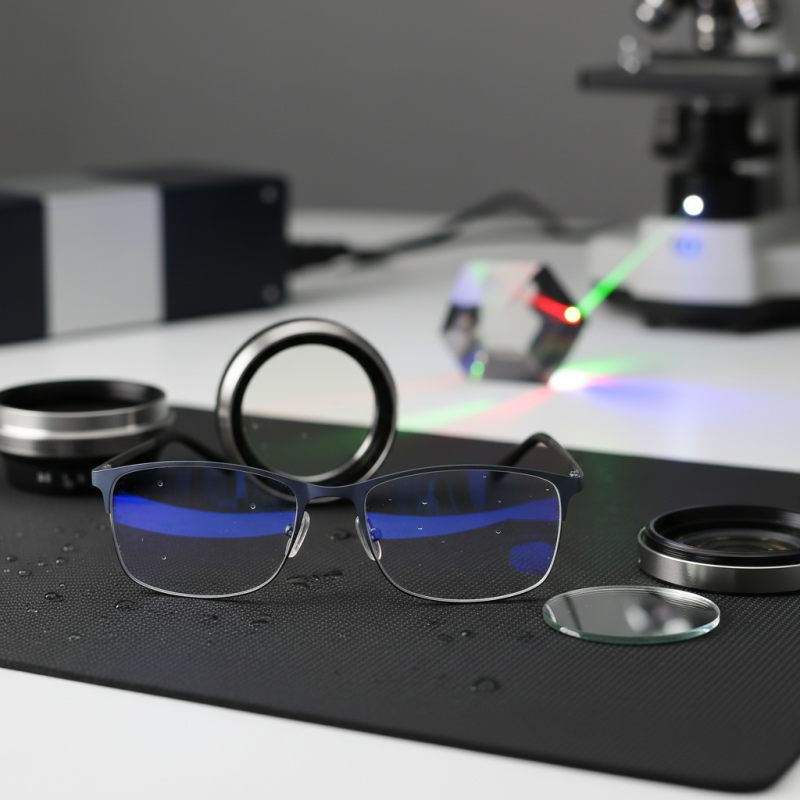
Optical coatings are essential in enhancing the performance of lenses and mirrors in various applications. These coatings modify light transmission, reflection, and absorption. Understanding the types of coatings available helps in selecting the right one for your needs.
Antireflective coatings reduce glare and improve light transmission. This type is crucial for eyeglasses and camera lenses. Reflective coatings, on the other hand, boost the reflection of certain wavelengths. They are commonly used in telescope mirrors. However, choosing the wrong type can lead to ineffective results or unwanted artifacts in the image.
Durability is another critical aspect. Some coatings offer resistance to scratches and environmental factors. It's important to consider the lifespan and maintenance of the optical components. While some options may seem appealing, they might not withstand heavy usage. Reflecting on your specific needs can lead to better decision-making in this complex field. Each application has unique requirements, and there is no one-size-fits-all solution.
Factors to Consider When Selecting Optical Coatings
Choosing the right optical coating can be challenging. Start by understanding your primary application. Different coatings serve various purposes, such as anti-reflective, reflective, or filters. Consider the environment in which the optics will be used. Harsh conditions like high humidity or temperature fluctuations demand durable coatings.
Another important factor is light wavelength. Different coatings perform better at specific wavelengths. For instance, UV coatings are vital for some applications, while others may require IR coatings. Reflectivity and transmission percentages are crucial metrics. A small variation in these can significantly impact device performance.
You should also evaluate other performance factors, like scratch resistance and durability. Many coatings promise long-lasting performance, but reality can vary. Reflect on your past experiences with various coatings. Did they truly meet your expectations? Potential trade-offs may arise between cost and quality. Balancing your budget with the desired outcomes is vital.
Evaluating the Performance of Different Optical Coatings
When evaluating the performance of different optical coatings, understanding their unique characteristics is crucial. Optical coatings can enhance transmission, reduce reflection, or prevent abrasion. Their performance varies based on the materials and techniques used in their production. For instance, anti-reflective coatings often improve light transmission, but may not be effective under all lighting conditions.
Considering specific use cases is essential. A coating ideal for microscopy may not suit a telescope. Each application requires different specifications. You might notice that some coatings perform better in certain environmental conditions, such as humidity or temperature fluctuations. This can affect durability and effectiveness over time, which could lead to reflections or decreased transmission.
It's important to weigh the trade-offs. A high-performance coating might offer superior benefits but could be more costly or require careful handling. Always assess your specific needs against the properties of the coatings available. Testing under real-world conditions can offer insights you won't find on paper. Always consider the potential limitations. Balancing performance, cost, and durability remains a critical part of the decision-making process.
Common Mistakes to Avoid in Choosing Optical Coatings
Choosing the right optical coating is critical for optimal performance. Many users overlook fundamental factors, leading to costly mistakes. A study from the Optical Society of America highlights that improper coating selection can reduce transmission efficiency by over 20%. This loss can heavily impact applications in fields like medical imaging and laser technology.
One common pitfall is neglecting the specific environment where the coated optics will be used. Coatings must be suitable for conditions such as humidity, temperature, and exposure to abrasives. For instance, coatings designed for laboratory environments might not withstand outdoor conditions. This mismatch can lead to premature degradation and reduced optical clarity.
Another mistake is focusing solely on cost. While budget is essential, the long-term value of a high-quality coating can vastly outweigh its initial price. Research shows that investing in reliable coatings can enhance functionality and lifespan, minimizing the need for replacements. Users need to weigh immediate savings against potential future costs carefully.
How to Choose the Right Optical Coating for Your Needs? - Common Mistakes to Avoid in Choosing Optical Coatings
| Coating Type | Best Use Case | Common Mistakes | Key Features |
| Anti-Reflective Coating | Glasses, Camera Lenses | Ignoring multi-layer options | Reduces glare, improves light transmission |
| Reflective Coating | Solar Applications, Mirrors | Choosing the wrong reflectance level | High reflectance, minimizes absorption |
| Scratch-Resistant Coating | Eyeglasses, Optical Instruments | Not considering environmental factors | Enhances durability, reduces scratches |
| Hydrophobic Coating | Glasses, Optical Devices | Overlooking cleaning and maintenance | Repels water and oils, easy to clean |
| UV Protection Coating | Sunglasses, Eyewear | Neglecting complete UV shielding | Blocks harmful UV rays, protects eyes |
Maintenance and Care for Optical Coated Surfaces
Maintaining optical coated surfaces is crucial for longevity and performance. These coatings often enhance lens clarity and reduce glare. However, neglect can lead to scratches and deterioration. Regular care is necessary.
To keep your optical coatings in good shape, use a soft microfiber cloth. Avoid paper towels; they can scratch the surface. Clean gently in a circular motion to remove dust and smudges. Use a solution designed for optical coatings. Harsh chemicals can damage the layers.
Tips: Always store lenses in a protective case. This prevents accidental scratches while not in use. Avoid exposing coated surfaces to extreme temperatures. High heat can warp the coatings over time. Regular inspection is necessary. Check for any signs of wear or damage and address issues promptly.


 Products
 Search