How to Choose the Best Rubber Flooring Sheets for Your Needs?
Choosing the right rubber flooring sheets can significantly impact your space. It’s essential to consider various factors like durability, comfort, and safety. Rubber flooring sheets are popular for both residential and commercial use due to their resilience and ease of maintenance.
When selecting rubber flooring sheets, think about the area’s specific needs. A gym or playroom will require different features than a kitchen or office. Pay attention to thickness, texture, and color. These details can affect both aesthetics and functionality.
Many people underestimate the importance of proper installation. A poorly installed floor can lead to issues like lifting or uneven surfaces. This choice may seem simple, but it warrants thoughtful consideration. Researching options can make a significant difference in your satisfaction with rubber flooring sheets.
Understanding the Different Types of Rubber Flooring Sheets Available
When selecting rubber flooring sheets, it's essential to understand the various types available. Rubber flooring comes in several forms, each serving unique purposes. There are interlocking tiles, rolls, and sheets, catering to different settings like gyms, playgrounds, and industrial areas. Interlocking tiles are popular due to their ease of installation and removal. They are ideal for residential projects, as they can be replaced easily when needed.
Rubber rolls offer a seamless finish, making them a great choice for larger areas. They provide excellent durability and shock absorption. This type is often used in commercial spaces. However, installation might require professional help due to their size and weight. Sheets are another option, typically used in high-traffic locations. While they are not as simple to install, they can be very cost-effective in the long run.
Lastly, consider the thickness of the rubber sheets. Thicker options provide better sound and impact absorption. However, they might limit the design options available. While exploring these options, reflect on your specific needs and the intended application. Prioritize your requirements over aesthetic choices to find the best fit for your project.
Evaluating Your Space Requirements and Usage Needs for Flooring
When selecting rubber flooring sheets, it's crucial to evaluate the specific requirements of your space. The layout and function of the area play a significant role in determining the best flooring option. For example, high-traffic areas like gyms or commercial spaces need durable options that can withstand wear and tear. Spaces like children's playrooms require softer surfaces to ensure safety.
Consider the aesthetics of your space as well. The color and texture of the flooring can greatly impact the overall ambiance. Do not overlook how these choices may influence mood or functionality. An appealing look may also help improve the space's usage. Keep in mind that some options might seem attractive but may not be practical in the long run.
Additionally, reflect on the maintenance needs of different rubber flooring sheets. Some materials require more care than others. Ask yourself if you are willing to invest the time and effort needed for upkeep. Taking all these details into account will guide you toward making a more informed decision. Balancing practicality with aesthetics requires thought and careful consideration.
Assessing Durability and Maintenance Factors in Rubber Flooring
When selecting rubber flooring sheets, durability is paramount. High traffic areas demand tough materials to withstand wear. Rubber’s inherent elasticity helps absorb impact, reducing damage. However, not all rubber flooring is created equally. Some options may wear down faster, leaving you with costly replacements and repairs.
Maintenance plays a crucial role in your flooring choice. Rubber is generally easy to clean, requiring little more than regular sweeping and occasional mopping. Yet, dirt can accumulate in textured surfaces. It is essential to choose a finish that resists stains and moisture. Some maintenance recommendations are to avoid harsh chemicals that could degrade rubber over time.
Consider installation challenges as well. Improper installation can lead to premature wear or lifting edges. It’s wise to seek professional help if you’re unsure. Overlooking these factors may lead to frustrations down the road. A well-chosen rubber floor can significantly enhance your space if durability and maintenance needs align with your lifestyle.
Comparing Costs and Budgeting for Rubber Flooring Solutions
When it comes to budgeting for rubber flooring solutions, understanding costs is crucial. The price of rubber flooring can vary widely based on factors like thickness, design, and installation method. On average, commercial-grade rubber flooring ranges from $2 to $8 per square foot. This can increase with custom designs or high-impact materials. According to the 2023 Flooring Industry Report, the global rubber flooring market is expected to grow by 5% annually, indicating a rising demand for durable, cost-effective flooring options.
Consider the long-term benefits of rubber flooring. While initial costs may seem high, the durability and low maintenance can offset these expenses. Rubber flooring lasts longer than many traditional materials, making it a smart investment. However, budget constraints are always a factor. Ensure your choice aligns with both your financial plan and your durability needs.
Evaluating your options carefully can yield significant savings. Research where rubber flooring can be sourced affordably without sacrificing quality. Get multiple quotes from contractors to find reasonable rates on installation. Additionally, look for local grants or incentives for eco-friendly materials. These strategies might reduce overall costs while maintaining the quality of your flooring.
Exploring Aesthetic Choices and Design Options in Rubber Flooring
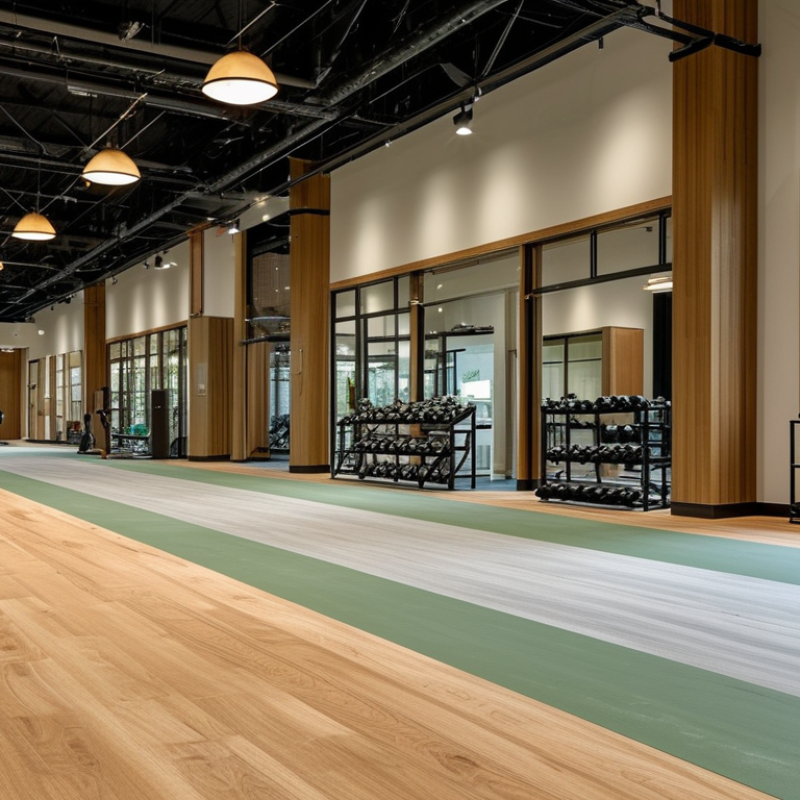
When considering aesthetic choices in rubber flooring, color and texture play crucial roles. A vibrant red or calming blue can set the mood of a space. Different textures, such as smooth or embossed surfaces, can influence both aesthetics and functionality. Smooth finishes are easy to clean, while textured options provide better traction. This interplay between design and safety is vital for areas like gyms or playrooms.
Patterns in rubber flooring can enhance the visual appeal. Geometric designs can make a small room feel larger. Mixing colors can create unique patterns and focal points. However, it’s important to ensure that these designs do not overwhelm the space. An overly busy pattern can lead to a cluttered feel.
Choosing flooring also requires considering lighting. Natural light can create different effects on flooring color. Some hues may appear brighter in sunlight, while others look muted. Understanding how light interacts with your chosen design is essential. This thoughtful approach helps in creating a cohesive and inviting environment.
Rubber Flooring Choices: Aesthetic and Design Options



 Products
 Search