How to Choose the Right Pest Control Spray for Your Home?
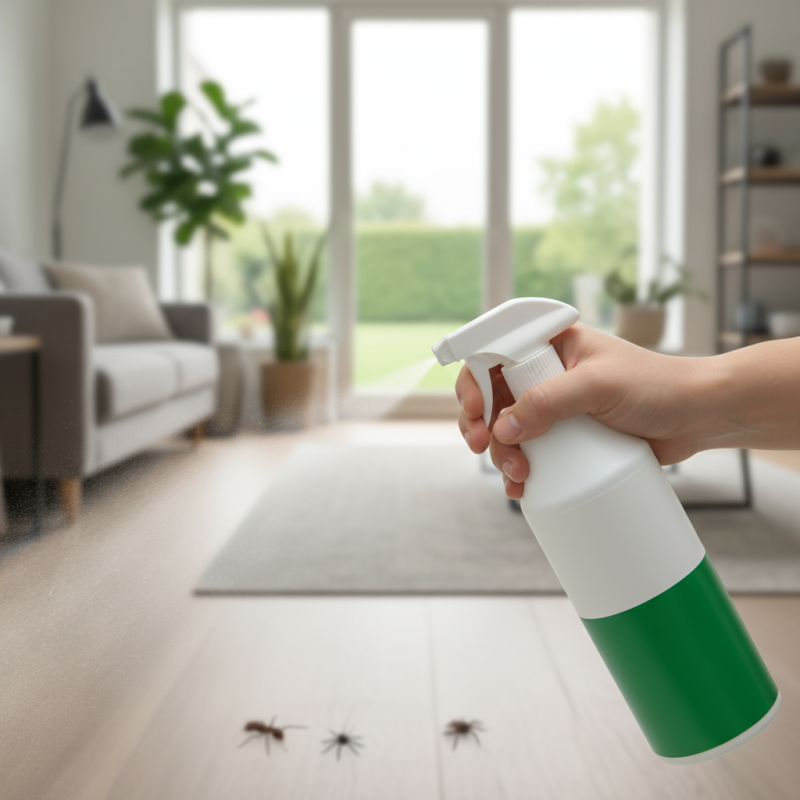
Choosing the right pest control spray for your home can be overwhelming. With many options available, finding the best one is crucial. A suitable pest control spray can effectively eliminate unwanted pests, ensuring a safe living environment.
Consider your specific needs when selecting a spray. Think about the types of insects you face. Ants, roaches, and spiders need different approaches. Additionally, some sprays are best for indoor use, while others work better outdoors. Always read the label. It’s essential to understand the ingredients and their safety.
Not all pest control sprays are created equal. Effectiveness can vary based on formulation and application. You might notice that some sprays do not work as advertised. It’s worth reflecting on your choices. A helpful tip is to choose sprays that have good reviews and proven results. Ultimately, understanding your situation is key to making the right choice.
Understanding Different Types of Pest Control Sprays Available
Pest control sprays come in various types. It is essential to choose the right one for your needs. The most common types include insecticides, herbicides, and fungicides. Each type targets specific pests or problems within your home. For example, insecticides focus on bugs, while herbicides deal with unwanted plants.
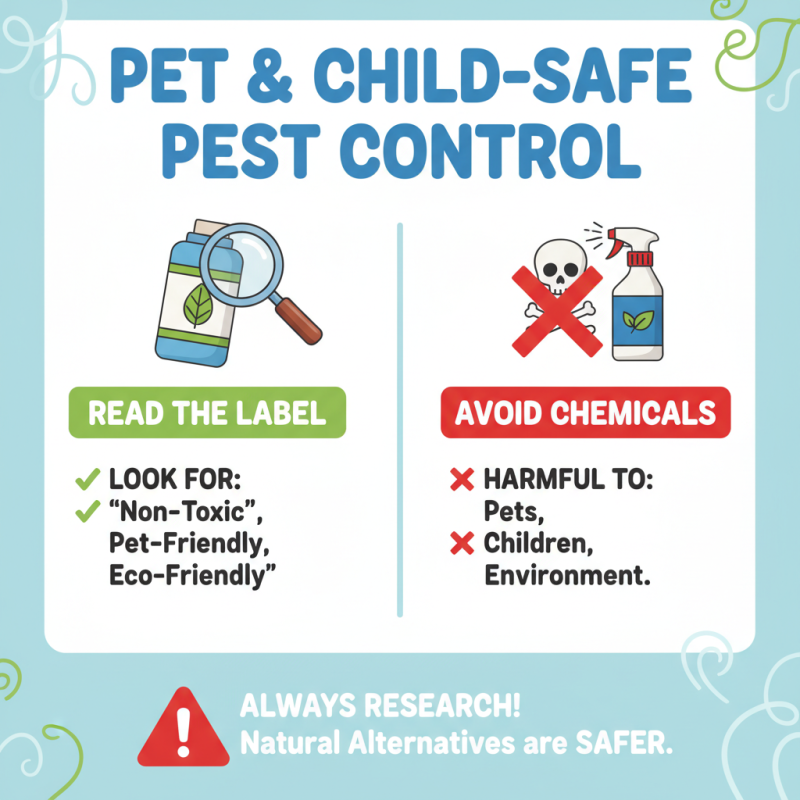
When selecting a spray, consider the active ingredients. Some sprays use natural components, while others rely on synthetic chemicals. Natural sprays may be safer for pets and children. However, they might require more frequent application. Pay attention to the label. It often lists the pests the spray can effectively control.
Here are some tips: Always read the instructions before use. Application methods may vary based on the product type. Ensure proper ventilation when applying indoors. Safety gear, like gloves or masks, can protect you during application. Finally, evaluate the effectiveness of the spray over time. If you don't see results, you may need to reconsider your choice. Pest control can be tricky, and mistakes happen. Learning from them helps improve future decisions.
How to Choose the Right Pest Control Spray for Your Home?
This chart illustrates the effectiveness and usage frequency of different types of pest control sprays commonly used in households. Understanding these options is essential for selecting the right pest control solution for your needs.
Identifying Common Household Pests and Their Specific Control Needs
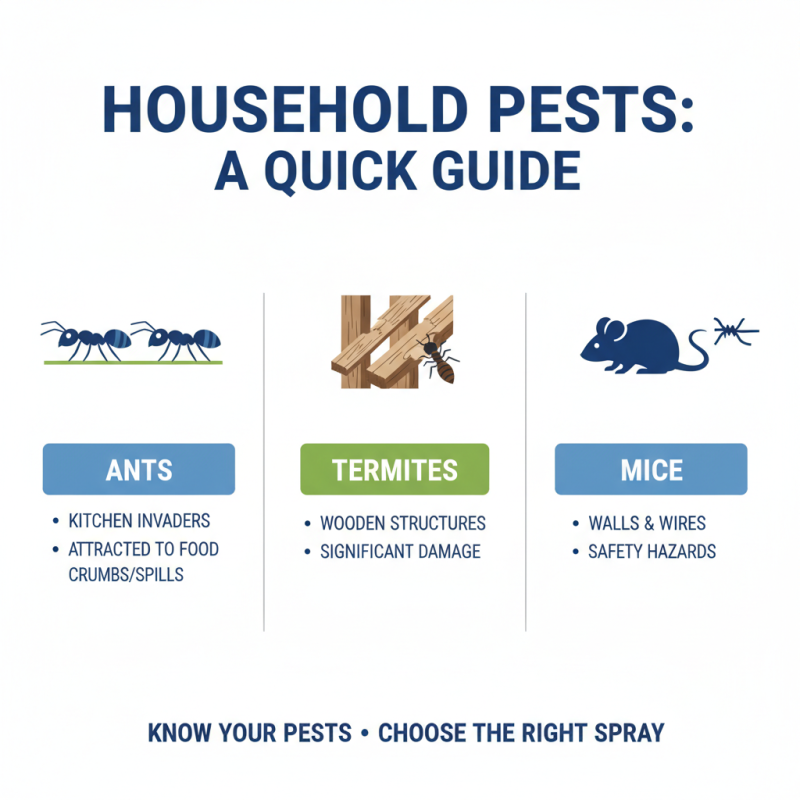
Identifying household pests can be tricky. Ants often invade kitchens. They are attracted to food crumbs and spills. Termites cause significant damage, primarily to wooden structures. Mice can gnaw through walls and wires, leading to safety hazards. Understanding these pests helps in selecting the right spray.
When choosing a pest control spray, consider the type of pest. For ants, look for sprays that target their pheromone trails. Mice might require a more specialized formula. It’s crucial to follow application instructions carefully. Don't forget to ensure safety for pets and children.
Tips: Always test a small area before applying any spray. This helps avoid unwanted damage to surfaces. Make sure to ventilate the area after spraying. If the pest problem persists, re-evaluate your approach. Sometimes, it's necessary to reflect on the effectiveness of the product. The fight against pests can be ongoing.
Assessing Environmental Impact and Eco-Friendly Pest Control Options
When choosing a pest control spray, the environmental impact is paramount. Many chemical sprays can be harmful. Reports indicate that nearly 25% of insecticides released into the environment can harm beneficial organisms. It's essential to assess the ingredients.
Eco-friendly options are growing in popularity. Some sprays use plant-based ingredients. For instance, essential oils like peppermint and neem oil can deter pests without damaging ecosystems. Nearly 40% of consumers prefer these safer alternatives, as they recognize the importance of sustainable living.
However, not all eco-friendly sprays are equally effective. Some may require more frequent applications. This might lead to increased costs and effort for homeowners. It's crucial to find the balance between effectiveness and safety. Always read labels and research reviews to make informed choices.
Reading and Interpreting Labels: Instructions for Safe Usage of Sprays
Reading and interpreting labels on pest control sprays is crucial for safe usage. The label contains essential information. It includes instructions, active ingredients, and safety precautions. Look for the section detailing how to apply the spray. Each product may have different recommendations. Some require dilution, while others are ready to use.
Pay attention to warnings about pets and children. Many sprays contain chemicals that can be harmful. It’s vital to understand these risks. Ensure proper ventilation when spraying indoors. Chemicals can linger in the air. Follow the recommended waiting periods before returning to treated areas.
It’s important to consider the environment too. Some sprays may affect beneficial insects. Be mindful when choosing where to spray. Consider alternatives for less severe infestations. Reflect on whether sprays are truly necessary. Sometimes, simple traps or natural remedies can suffice. Always take notes on your experiences for future reference. This way, you can improve your approach and ensure safety.
How to Choose the Right Pest Control Spray for Your Home? - Reading and Interpreting Labels: Instructions for Safe Usage of Sprays
| Pest Type |
Active Ingredients |
Application Method |
Safety Precautions |
Effectiveness Duration |
| Ants |
Boric Acid |
Spray or Bait |
Wear gloves and a mask |
Up to 4 weeks |
| Roaches |
Pyrethroids |
Aerosol Spray |
Avoid contact with skin |
2-3 weeks |
| Mosquitoes |
DEET |
Topical Spray |
Use in well-ventilated areas |
Up to 8 hours |
| Fleas |
Fipronil |
Spot Treatment |
Keep away from pets |
6 weeks |
| Termites |
Bifenthrin |
Liquid Treatment |
Follow label instructions |
Up to 5 years |






 Products
 Search