10 Best Solar Cleaning Machines for Global Buyers
Solar power is scaling quickly, but dust remains a quiet threat to revenue. The IEA PVPS Trends 2024 report recorded more than 400 GW of new photovoltaic capacity in 2023. That enormous fleet faces sand, pollen, bird droppings, and industrial residue every day. Even a thin brown film can reduce light reaching the cells. In arid regions, soiling losses may become severe within weeks. IEA PVPS Task 13 research shows that losses vary widely by climate, panel angle, rainfall, and cleaning practice. There is no universal schedule. That matters.
A reliable Solar Cleaning Machine must do more than move across glass. It should protect delicate coatings, control brush pressure, manage water carefully, and operate safely around electrical equipment. NREL performance research also treats soiling as a measurable source of photovoltaic loss, not merely a maintenance inconvenience. Dr. Michael Köhl of Fraunhofer ISE has emphasized, “Soiling is a site-specific reliability issue, not a simple cleaning problem.” That principle guides this selection.
The following guide compares ten leading machines for global buyers. It considers cleaning efficiency, water consumption, battery endurance, terrain handling, maintenance access, and total operating cost. Some systems suit utility-scale desert projects. Others fit commercial rooftops or smaller solar farms. A machine that performs brilliantly in Arizona may struggle during monsoon humidity in Southeast Asia. That is easy to overlook. Published performance figures also need careful verification, because testing conditions differ. Buyers should inspect field records, warranty terms, spare-parts support, and local service capacity before purchasing. The best choice is not always the fastest machine. It is the one that protects energy yield without creating a larger maintenance problem.
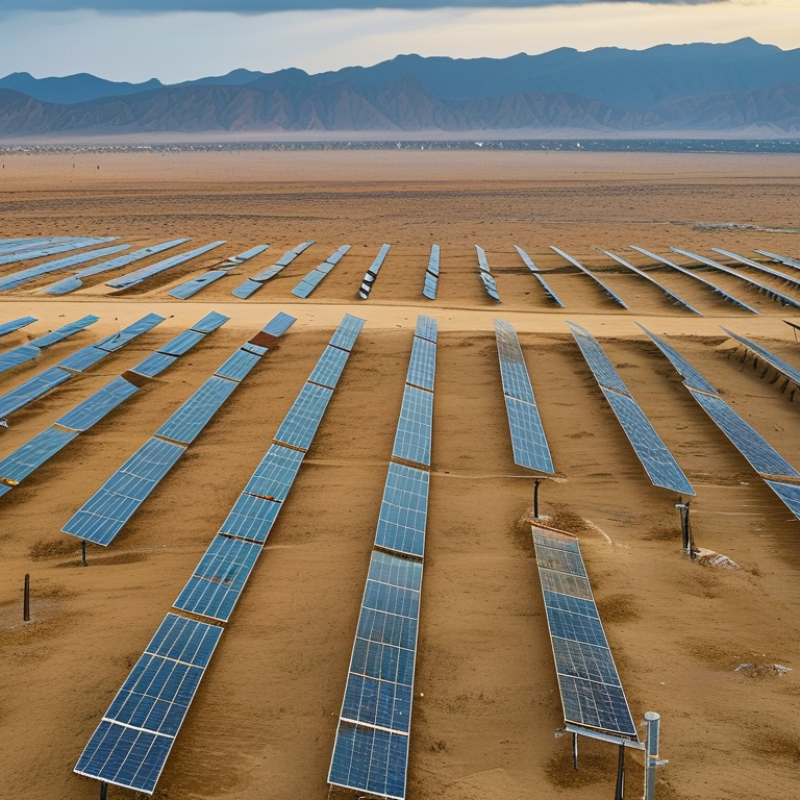
How Solar Panel Cleaning Machines Work and Why They Matter
Solar panel cleaning machines remove dust, pollen, sand, and bird residue from photovoltaic surfaces. Most systems use rotating soft brushes, controlled water jets, or air streams. Their cleaning heads move across panels with steady pressure, reducing scratches and uneven results. Some machines use sensors to follow panel rows or detect surface edges. Others require an operator to guide them manually.
The right method depends on the site. Dry-brush equipment suits dusty regions with limited water. Water-fed machines can handle sticky residue, but hard water may leave mineral spots. Deionized water often produces a clearer finish. Soft bristles matter. A rough brush can damage protective coatings and reduce long-term reliability. Technicians should inspect the panel condition before cleaning and test a small area.
Safety also explains why these machines matter. Workers face less climbing, slipping, and repetitive strain on large solar farms. Regular cleaning can improve light transmission, although the actual gain depends on dust thickness, weather, panel angle, and system design. Results are not always dramatic. That deserves honest attention. An automated machine is not maintenance-free. Operators still need to check cables, drainage, brush wear, and unusual panel movement. Global buyers should compare water use, machine weight, service access, local climate, and replacement-part availability before purchasing. A compact machine may work well on a rooftop but struggle with long utility-scale rows. Testing it under real site conditions remains essential.
The 10 Best Solar Cleaning Machines for Different Buyer Needs
10 Best Solar Cleaning Machines for Global Buyers
The 10 Best Solar Cleaning Machines for Different Buyer Needs
Solar sites do not share the same cleaning problem. A rooftop system may need a lightweight, water-saving brush. A utility plant may need autonomous robots for long, repetitive rows. For dusty deserts, choose machines with sealed motors, wide brushes, and simple filters. For humid regions, soft nylon brushes help remove pollen without scratching glass. Buyers with limited water should consider dry-cleaning systems or controlled misting equipment.
The IEA PVPS Task 13 report identifies soiling as a serious performance issue, with average energy losses often near 3% to 4%. Losses can exceed 20% in severe conditions. The 2024 IEA PVPS Trends report also confirms global solar capacity passed 1.6 terawatts in 2023. That scale makes cleaning equipment a maintenance decision, not a small accessory. For small installers, compact manual machines reduce transport costs. For large operators, autonomous units may improve consistency and reduce worker exposure to hot surfaces. Still, robots are not automatically better. Their navigation can struggle with uneven frames, gaps, or steep roofs.
Tips: Match the machine to panel height, slope, dust type, and available water. Check brush pressure, battery endurance, spare-part access, and local service capacity. Request field-test records, not only laboratory claims. Measure output before and after cleaning. My practical concern is often overlooked: a fast machine can still waste water or damage seals when settings are wrong. A short trial on one array is wiser than a large purchase.
Cleaning Technologies, Power Sources, and Automation Levels Compared
Choosing among the 10 best solar cleaning machines requires more than comparing prices. Cleaning technology must match local dust, panel height, and water availability. IEA PVPS Task 13 reports that soiling can reduce annual photovoltaic output by roughly 1% to 5%, with harsher sites experiencing higher losses. Field inspections often reveal fine dust along frame edges, where basic brushes leave uneven strips.
Dry robotic brushes suit dusty deserts and water-restricted projects. Dry cleaning saves water. Air-assisted systems remove loose particles, but they may struggle with sticky pollen or bird residue. Water-fed machines clean more thoroughly, yet mineral-rich water can leave deposits without filtration. A 2023 NREL analysis emphasizes measuring soiling before scheduling maintenance, because unnecessary washing can increase operating costs and surface wear.
Power sources also shape machine selection. Battery units offer quiet movement and fewer cables, while photovoltaic charging can support daytime autonomy. Tethered electric systems deliver steady power but require careful cable management. Automation ranges from hand-guided machines to remote-controlled units and fully autonomous platforms using sensors, mapping, and collision detection. Autonomous models reduce repetitive labor, although complex roof layouts still need human oversight. IRENA reported global solar capacity exceeding 1,400 GW at the end of 2023, making scalable maintenance increasingly important. My practical concern is simple: claimed autonomy may not equal reliable cleaning during wind, uneven surfaces, or unexpected obstacles. Test records matter more than impressive specifications.
How Global Buyers Can Select, Operate, and Maintain the Right Machine
10 Best Solar Cleaning Machines for Global Buyers
Selecting a solar cleaning machine starts with the site, not the sales brochure. IEA PVPS Task 13 estimates global soiling losses near 3–4% annually, while dusty locations can lose far more. Measure panel tilt, row spacing, surface height, and local dust composition before purchasing. A compact brush machine may suit rooftop arrays, but large ground-mounted sites often need wider, water-efficient systems. Check battery runtime, climbing ability, brush pressure, and spare-part availability. Local service matters. It is easy to overlook.
Operate the machine during cool, low-wind periods. Hot glass and cold water can create thermal stress, so follow the module manufacturer’s cleaning limits. Use soft, non-abrasive brushes and controlled pressure. Excess water may leave mineral spots, especially in hard-water regions. A basic water-quality test can prevent that problem. Record cleaning dates, weather, water use, and power output before and after each job. These records help verify whether cleaning improves revenue rather than simply creating activity.
Maintenance should include daily brush inspection, filter cleaning, battery checks, wheel inspection, and software updates where applicable. SolarPower Europe’s Operations and Maintenance Best Practice Guidelines emphasize documented procedures and preventive maintenance for reliable plant performance. Still, no machine is perfect. Slopes, loose cables, nesting birds, and uneven frames can reduce productivity. Operators should review near-misses and adjust routes. A slower machine with dependable support may outperform a faster model that remains idle for weeks.
10 Best Solar Cleaning Machines for Global Buyers
How Global Buyers Can Select, Operate, and Maintain the Right Machine
How to read the chart: Water consumption is shown as a typical operating value in liters per square meter of photovoltaic surface cleaned. Dry-cleaning systems use little or no process water, while wet and high-pressure systems generally require more water but can be better suited to sticky dirt, bird droppings, and heavy deposits.
Before purchasing, global buyers should compare cleaning capacity, panel compatibility, terrain access, water availability, local safety requirements, replacement-part supply, and operator training. Regular brush inspection, filter cleaning, battery checks, and scheduled servicing can help maintain consistent cleaning performance.
Values are indicative operating figures based on commonly reported ranges for comparable cleaning methods; actual consumption depends on panel size, soil conditions, machine settings, operator technique, and site layout.


 Products
 Search