What Are the Best Insect Control Products from China?

Choosing the best insect control products from China requires more than comparing prices or attractive packaging. The market includes household sprays, bait stations, traps, repellents, and equipment for professional use. Each option serves a different purpose. A product suited to ants in a kitchen may not help with mosquitoes outdoors.

This guide explains how to assess products by their intended pests, active ingredients, directions, packaging, and manufacturer information. Clear labels matter. So do batch details, quality-control practices, and responsive customer support. Buyers should also check whether a product’s claims and sale comply with regulations where it will be used. Requirements vary by location, so a supplier’s assurance alone is not enough.

Practical details can reveal a lot. Check whether a trap includes replacement parts, whether a container seals securely, and whether instructions explain safe storage. For chemical products, follow the label and keep them away from children, pets, food, and water. No product is perfect. A well-presented listing cannot prove performance in every home, climate, or pest situation. That limitation deserves attention.

Rather than naming one universal winner, the sections ahead compare product types and explain what evidence to request from suppliers. They also highlight questions about testing, product consistency, and after-sales support. The goal is a careful shortlist, not a sales pitch. A thoughtful choice starts with the pest, the setting, and reliable product information.
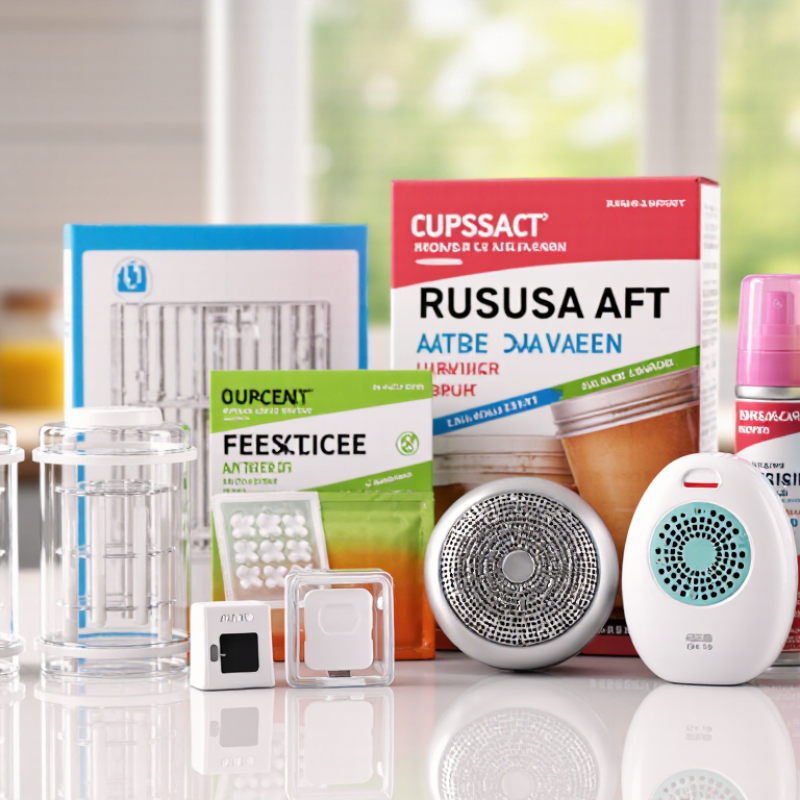
What Are the Best Insect Control Products from China?

Types of Insect Control Products Made in China

Chinese manufacturers produce several practical types of insect control products. Electric grid killers attract flying insects with light, then eliminate them on a guarded high-voltage grid. UV or LED traps may instead use adhesive boards, which hold insects without scattering fragments. Fan-based mosquito traps draw insects into a collection chamber. Quiet options exist, though performance varies with placement and room conditions.

For homes and food-service spaces, sticky traps can monitor small flying insects near windows or storage areas. Fine-mesh screens provide a physical barrier at doors and windows. They are simple, but gaps around frames can undermine their value. That sounds simple, but it is not. Select products according to the target insect, room size, cleaning needs, and expected noise. A trap designed for moths may not control mosquitoes well.

Buyers should examine material quality, electrical safety information, replacement-part availability, and clear operating instructions. Check whether a device has a secure guard and an easy-to-clean collection tray. These details matter during everyday use. Product claims can be optimistic, so compare measurable specifications rather than relying on broad promises. For devices used around children, pets, or food, follow the manufacturer’s instructions and applicable local safety requirements. A useful choice is not always the most powerful one.

Common Active Ingredients and How They Work

For insect-control products made in China, the active ingredient matters more than the country of origin. Pyrethroids, such as cypermethrin, disrupt voltage-gated sodium channels, causing abnormal nerve signals and, at sufficient exposure, paralysis. Neonicotinoids act on nicotinic acetylcholine receptors in insects. Different target sites mean different effects. Always check the ingredient, concentration, and locally approved label.

The IRAC Mode of Action Classification groups insecticides by how they affect pests. This helps buyers compare products and plan rotation between different modes of action. The Arthropod Pesticide Resistance Database, maintained by Michigan State University, records resistance in more than 600 arthropod species. Resistance is real. Repeating one mode of action can make control less reliable, even when the product is genuine and used as directed.

For a household spray, a fast-acting contact ingredient may suit visible insects on a surface; it may not reach pests hidden in wall gaps. For crop use, the target pest, crop, timing, and application site all matter. A label can look simple, but small details change the result. I would compare active ingredients and registered uses before comparing price, then monitor treated areas rather than assuming one application solved the problem.

Products for Household, Garden, and Agricultural Use

Household insect control products from China include glue traps, window screens, bait stations, and ready-to-use sprays. Each suits a different problem. A sticky trap near a pantry can reveal where crawling insects travel, while a well-fitted screen keeps flying pests outside. For sprays or baits, check the intended pest, application site, and safety directions before use. Keep products away from food, children, and pets as directed. A tidy package is not proof of quality. Clear instructions and intact seals matter more.

In gardens, netting, hand sprayers, and pest-specific treatments can help protect vegetables and ornamentals. On farms, larger sprayers and monitoring tools support work across wider fields, but coverage and calibration need care. Wind can carry droplets beyond the target. Start by identifying the pest and checking whether non-chemical controls may be enough. Compare ingredient information, batch details, and independent quality checks when available. Some listings omit useful details; that is a reason to pause, not guess. Choose products suited to the crop, setting, and local requirements, and follow the label.

Common Insect-Control Product Types for Household, Garden, and Agricultural Use

A value of 1 indicates a product type commonly used in that setting; 0 indicates it is not typically a broad-use option. This is a general use guide, not a sales ranking, efficacy comparison, or statement of product registration. Approved uses vary by product, crop, pest, and local regulations.

How to Choose Products for Different Insect Problems

What Are the Best Insect Control Products from China?

How to Choose Products for Different Insect Problems

Choosing insect control products from China begins with identifying the pest, not selecting the strongest formula. Mosquitoes, ants, cockroaches, and pantry moths need different approaches. Match the pest. Note where and when activity appears: mosquitoes near standing water, ants along kitchen edges, and moths inside dry-food cupboards.

The WHO’s Vector-borne diseases fact sheet reports that these diseases cause more than 700,000 deaths annually. That scale makes targeted prevention important; it does not justify indiscriminate spraying.


For mosquitoes, reduce standing water and improve screens before considering a product. For crawling insects, enclosed bait stations or carefully placed baits may target trails and hiding places. Avoid spraying over bait. Sticky or light traps can help reveal indoor flying-insect activity.

Check the label. Confirm the target species, active ingredient, formulation, intended use, and clear application instructions.


When assessing a Chinese supplier, request current product specifications, batch-testing documents, and a sample label. Compare them with local registration requirements. Ask whether the formulation has been assessed for heat, humidity, and frequent cleaning. A lab result alone cannot predict performance in every home.

I would not treat “broad-spectrum” as proof of better control; it may increase unnecessary exposure without addressing the source. Keep records.

Safety Standards, Labeling, and Responsible Use

For insect-control products made in China, “best” means suitable, documented, and clearly labeled—not simply powerful. Check whether the product is authorized for sale and use where you live. A Chinese factory’s quality certificate alone does not confirm local approval. Look for the active ingredient, concentration, target insects, application sites, batch number, and expiration date. Labels matter. Safety data sheets can add useful handling information, but they do not replace directions on the product label.

Read the full label before opening the container. Check required gloves, eye protection, ventilation, and any waiting period before people or pets can re-enter. Measure carefully with a marked tool; never guess from the size of a cap. Do not apply near food, drains, or flowering plants unless the directions specifically allow it. Store products in their original containers, away from children and heat, and follow local guidance for disposal. Keep records. Note the date, location, and amount used. It is easy to overvalue a quick drop in insect numbers and overlook where residues may travel. That deserves a second look. If instructions are unclear or not available in a language you understand, pause and seek qualified local advice.

chevron-right