10 Best Indoor Pest Control Tips for a Pest Free Home
Maintaining a pest-free home is a priority for every homeowner, and effective indoor pest control is essential to achieving this goal. From ants marching through the kitchen to mice scuttling in the attic, indoor pests can disrupt our daily lives, damage property, and even pose health risks. Understanding how to combat these unwelcome visitors requires a strategic approach that not only focuses on elimination but also prevention.
This article presents the ten best indoor pest control tips that will help you secure your living space against infestations. By adopting simple yet effective practices, you can significantly reduce the likelihood of pests invading your home. These strategies encompass proper sanitation, sealing entry points, and utilizing natural remedies, among others. By implementing these tips, you can create a safe and healthy environment that remains pest-free, ensuring peace of mind for you and your family.
Identify Common Indoor Pests and Their Habits
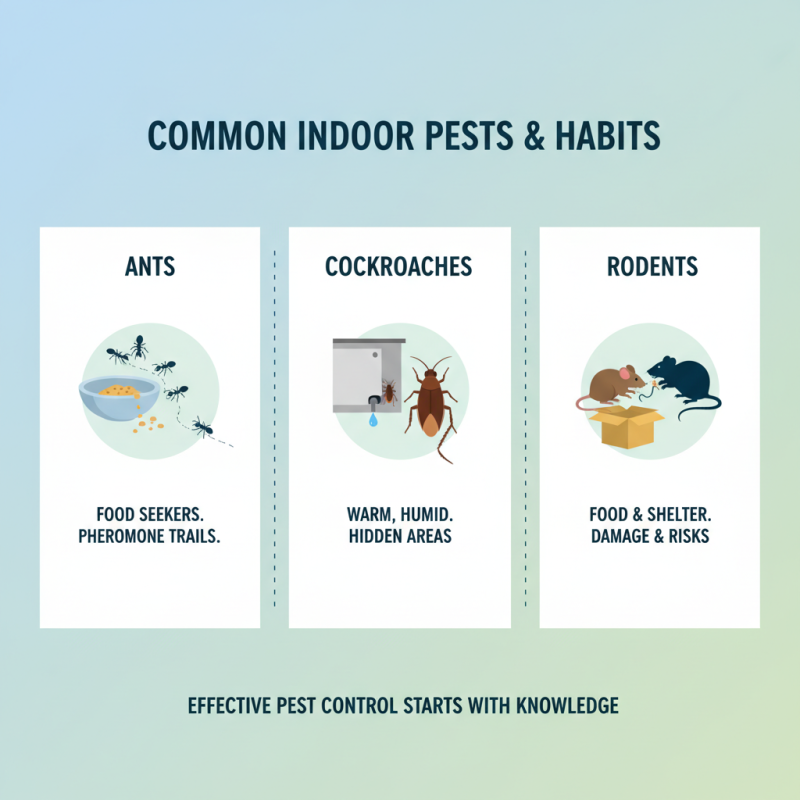
Understanding common indoor pests and their habits is essential for effective pest control in your home. Some of the most frequently encountered indoor pests include ants, cockroaches, and rodents. Ants generally invade homes in search of food, leaving pheromone trails for others to follow. Cockroaches, on the other hand, thrive in warm, humid environments and often shelter in hidden areas during the day. Rodents, such as mice and rats, usually intrude seeking food and shelter, capable of causing substantial damage and posing health risks.
To keep these pests at bay, start by sealing entry points in your home. Inspect windows, doors, and small cracks, and use caulk to close off any gaps. Regular cleaning can also deter pests; ensure to keep food stored securely and maintain a clutter-free environment, as this minimizes hiding spots. Additionally, consider setting up natural deterrents, like using vinegar or essential oils, which can repel certain pests while being safe for your household. Implementing these tips can significantly reduce the likelihood of indoor pest infestations.
Create a Clean and Clutter-Free Living Environment
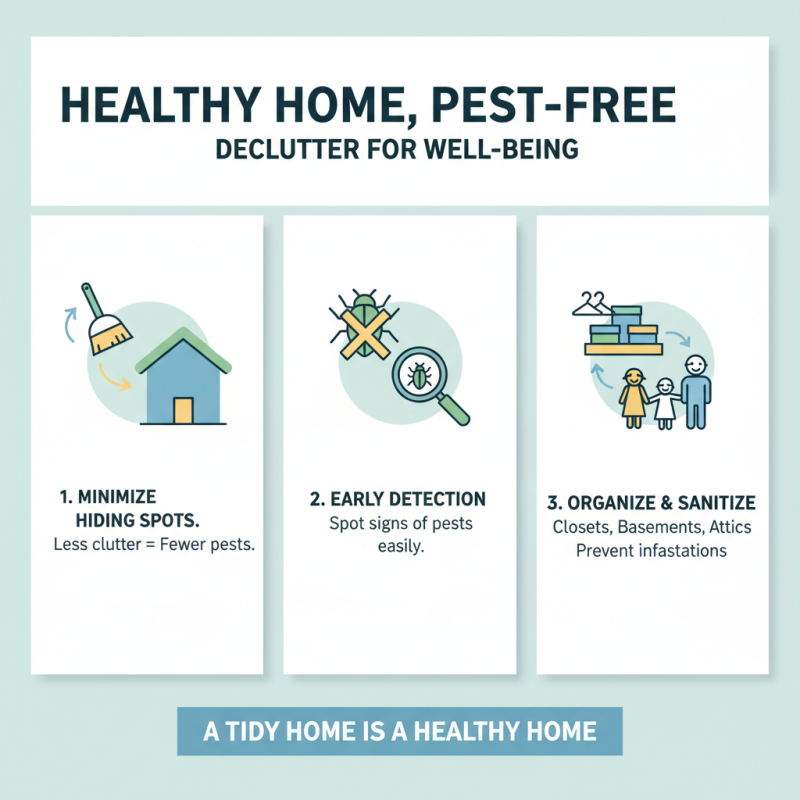
Creating a clean and clutter-free living environment is essential for preventing indoor pests and promoting overall well-being. A tidy home not only minimizes hiding spots for pests but also makes it easier to spot any signs of infestation early. Regularly decluttering your living spaces by getting rid of items you no longer need can significantly reduce the potential habitats for pests. Start by focusing on areas where clutter commonly accumulates, such as closets, basements, and attics. Ensuring that these spaces are organized and clean can deter pests from making themselves at home.
In addition to decluttering, maintaining proper cleanliness throughout your home is crucial. This means routinely sweeping, vacuuming, and dusting to eliminate crumbs and debris that attract pests. Pay special attention to the kitchen, where food residues can invite a variety of unwanted guests. Tidying up spills and storing food in airtight containers can further safeguard your home. Implementing these practices consistently will foster a more inviting atmosphere while simultaneously fortifying your defenses against pests.
Seal Entry Points to Prevent Pest Invasion
Sealing entry points is a crucial step in maintaining a pest-free home. According to the National Pest Management Association (NPMA), nearly 68% of homes experience some form of pest problem at least once a year. The first line of defense against these unwelcome intruders is to identify and seal off any potential entryways. Common entry points include gaps around windows, doors, and foundations, as well as vents and plumbing openings. Utilizing materials like caulk, weather stripping, and door sweeps can significantly reduce the chances of pests infiltrating your living space.
Moreover, the University of California Agriculture and Natural Resources reports that sealing entry points not only helps prevent pest invasions but also conserves energy by maintaining the indoor environment. Maintaining a well-sealed home can lead to energy savings of up to 20%, according to the U.S. Department of Energy. Regular inspections for cracks and holes should be part of home maintenance, as even small openings can provide access to pests like rodents and insects, which can carry diseases and compromise your home’s structure. By prioritizing these preventive measures, homeowners can create a less inviting environment for pests while enhancing the overall efficiency and safety of their homes.
Utilize Natural Remedies and Homemade Repellents
When it comes to keeping your home pest-free, natural remedies and homemade repellents can be incredibly effective. One of the simplest yet powerful solutions is a mixture of vinegar and water. This blend can deter common pests like ants and spiders. Just mix equal parts of white vinegar and water in a spray bottle, and apply it to areas where you've noticed pest activity. The strong scent of vinegar not only repels these intruders but also acts as a natural disinfectant, leaving your surfaces clean.
Another effective natural repellent is essential oils. Oils such as peppermint, tea tree, and lavender not only provide a pleasant aroma but also serve as deterrents for various insects. To use essential oils, simply dilute a few drops in water and spray around entry points, windows, and doors. Not only are these remedies safe for your home, but they also contribute to a healthier indoor environment without the harsh chemicals found in many commercial pest control products. Incorporating these homemade solutions into your pest control routine can help create a serene, pest-free atmosphere for you and your family.
10 Best Indoor Pest Control Tips for a Pest Free Home
| Tip No. |
Pest Control Method |
Ingredients/Materials |
Instructions |
| 1 |
Peppermint Oil Spray |
Peppermint oil, water, spray bottle |
Mix 10 drops of peppermint oil with water in a spray bottle and apply where needed. |
| 2 |
Vinegar Trap |
Vinegar, bowl |
Fill a bowl with vinegar and place it in areas where you see fruit flies. |
| 3 |
Diatomaceous Earth |
Diatomaceous earth |
Sprinkle around areas where pests are present; it dehydrates and kills insects. |
| 4 |
Boric Acid Baits |
Boric acid, sugar, water |
Mix sugar, boric acid, and water to create a paste; place in areas where ants appear. |
| 5 |
Essential Oil Blend |
Tea tree oil, lavender oil, water |
Mix oils with water in a spray bottle and apply where pests are frequent. |
| 6 |
Cucumber Slices |
Cucumber |
Place cucumber slices in areas infested with ants to repel them. |
| 7 |
Garlic Spray |
Garlic, water |
Blend garlic with water, strain, and spray on infested areas. |
| 8 |
Soap Water Mixture |
Liquid soap, water |
Mix liquid soap with water and spray on pests to suffocate them. |
| 9 |
Coffee Grounds |
Used coffee grounds |
Spread used coffee grounds in garden areas to deter pests. |
| 10 |
Sealing Cracks and Crevices |
Caulk, weather stripping |
Inspect and seal any openings in walls and windows to block pest entry. |
Implement Regular Maintenance and Monitoring Practices
Implementing regular maintenance and monitoring practices is essential for ensuring a pest-free home. One of the key strategies is to conduct routine inspections to identify early signs of pest activity. Regularly checking areas like basements, attics, and utility spaces can help you spot potential infestations before they escalate. Keeping track of any pest sightings or unusual activities can provide valuable insights into the severity of a problem and guide your pest management efforts.
In addition to inspections, maintaining a clean environment is crucial. Pests are often attracted to food sources and clutter, so regularly cleaning your home and storing food in airtight containers can significantly reduce the risk of infestations. Furthermore, sealing cracks and openings around doors and windows not only helps in energy efficiency but also acts as a barrier against various pests looking for entry.
Another effective tip is to monitor outdoor spaces. Keeping your yard well-maintained and free of standing water can deter pests from migrating indoors. Consider using natural deterrents around gardens and pathways to create an unwelcoming environment for unwanted visitors. By incorporating these regular maintenance and monitoring practices, you can significantly reduce the likelihood of pests taking up residence in your home.
10 Best Indoor Pest Control Tips for a Pest Free Home



 Products
 Search