What is the Best Cockroach Pest Control Method for Your Needs?
Dealing with cockroaches can be a frustrating experience for many homeowners. These pests are not only unsightly but can also pose health risks. Effective cockroach pest control is essential for maintaining a safe and clean environment. Various methods exist, from natural solutions to professional extermination services. Each method has its pros and cons, requiring careful consideration to find the best fit.
Home remedies are often the first line of defense. They are accessible and cost-effective. However, their effectiveness may vary based on the severity of the infestation. On the other hand, professional pest control services offer expertise and targeted solutions. But they can be expensive and may require multiple visits, which can be inconvenient.
Choosing the right cockroach pest control method involves evaluating your specific situation. Are you dealing with a minor issue or a larger infestation? The answer will guide your choice. It’s also worth reflecting on the environmental impact of your selected method. Sometimes, what works for others may not work for you. Consider all angles carefully before making a decision.
Understanding Cockroach Biology and Behavior
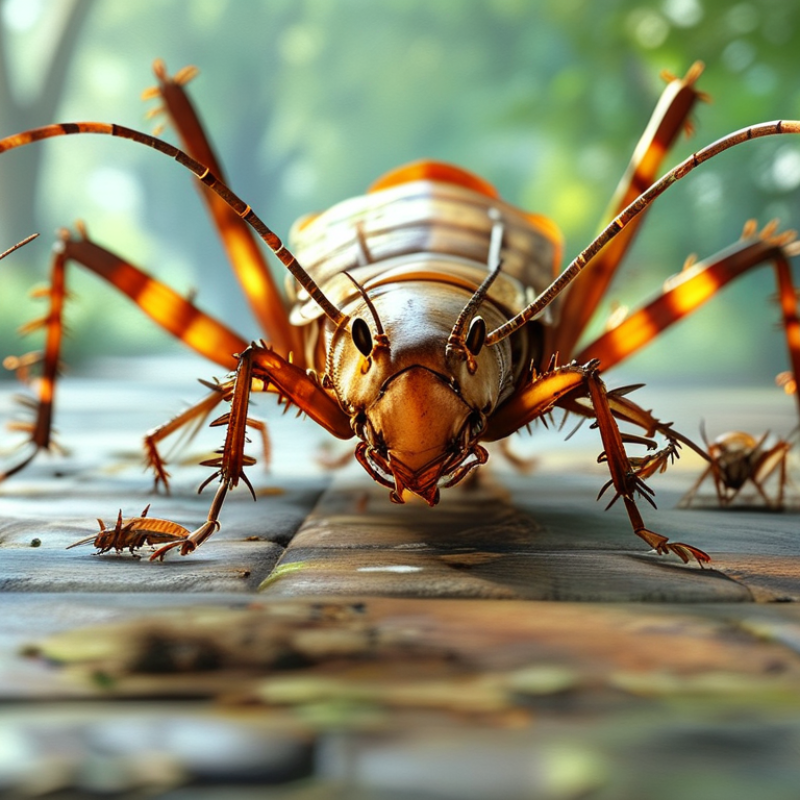
Understanding cockroach biology and behavior is essential for effective pest control. Cockroaches are resilient insects, capable of surviving in various environments. They can live without food for a month and can withstand radiation levels much higher than humans. Their fast reproductive cycle allows a single pair to produce thousands of offspring in a year, leading to infestations if not controlled promptly.
Cockroaches are nocturnal creatures. They prefer dark, warm spaces, often hiding in cracks, crevices, and behind appliances. Their diet is diverse, ranging from food scraps to glue and paper, making them scavengers in nature. This adaptability means they can thrive in residential settings and commercial establishments alike. According to pest control reports, almost 60% of these pests are linked to urban environments, highlighting the need for targeted control measures.
Understanding their behavior is critical to selecting the best pest control method. Many strategies, such as baiting and trapping, hinge on cockroach habits. Effective pest control requires knowledge of their hiding places and feeding habits. However, it is challenging to eliminate them completely due to their rapid reproduction and adaptive behaviors. Vigilance and a combination of methods are necessary to ensure long-term eradication.
Identifying Different Types of Cockroaches
Identifying different types of cockroaches is crucial for effective pest control. Cockroaches can be classified into various species, each with unique behaviors and habitats. The common German cockroach is small and often found in kitchens. It prefers warm, humid areas close to food sources. Then, there’s the American cockroach, which is larger and tends to inhabit basements and drains. This species can fly, making it a greater challenge to eliminate.
Recognizing these types helps homeowners make informed decisions. Some methods work better for specific roach types. For instance, bait traps may be effective for German cockroaches but less so for American ones. Additionally, managing food waste and sealing entry points can deter these pests. Yet, homeowners sometimes overlook these simple practices. They may need to reflect on their lifestyle habits that inadvertently encourage infestations. Establishing a proactive approach is essential to keep these pests at bay.
Evaluating Chemical Pest Control Options
When considering cockroach pest control, evaluating chemical options is crucial. Many homeowners turn to pesticides for quick results. However, it's important to understand their implications. According to a report by the Environmental Protection Agency (EPA), the misuse of chemical pesticides can lead to adverse health effects. These include respiratory issues and skin irritations. Understanding proper application methods is key to maximizing safety and effectiveness.
Using a targeted approach can enhance outcomes. Focus on areas where roaches frequent, such as kitchens and bathrooms. For effective chemical pest control, consider using baits rather than sprays. Research shows baiting significantly reduces roach populations compared to traditional sprays. This method minimizes pesticide contact with humans and pets while effectively targeting the pests.
Tips: Always read labels carefully. Ensure the product aligns with your needs and environment. Ventilate spaces during application. Be aware that some chemicals can linger in the air, causing unintended effects. Proper disposal of unused products is also essential for safety. Regular assessments help determine if a method works or needs adjustment. Keeping track of roach activity can guide future pest control strategies.
Comparison of Cockroach Pest Control Methods
This chart compares the effectiveness of various cockroach pest control methods based on user satisfaction and effectiveness scores derived from surveys. The methods evaluated include Chemical Sprays, Baits, Traps, and Natural Remedies.
Exploring Natural and Non-Toxic Control Methods
When it comes to cockroach pest control, many homeowners are turning to natural and non-toxic methods. Research indicates that over 80% of households prefer eco-friendly solutions. A blend of essential oils, such as peppermint and tea tree, has proven effective in repelling these pests. According to a report by the National Pest Management Association, these oils can disrupt the smell receptors of cockroaches, making it hard for them to find food and mates.
In addition to essential oils, diatomaceous earth is gaining popularity. This natural powder is made from fossilized algae. When cockroaches come into contact with it, it causes dehydration, ultimately leading to their demise. A study found that 95% of cockroaches exposed to diatomaceous earth died within 72 hours. However, it requires careful application to ensure effectiveness. Some homeowners may accidentally create unsafe dust clouds, which can pose risks to pets and children.
Another option is the use of soap solutions. Mixing soap with water can suffocate cockroaches by blocking their breathing pores. Though this method is simple, it can be less effective in severe infestations. Users often find themselves reapplying frequently to achieve better results. These methods demonstrate potential but also reveal the need for consistent effort and observation to determine what truly works best in various situations.
What is the Best Cockroach Pest Control Method for Your Needs?
| Method |
Type |
Effectiveness |
Cost |
Safety |
| Boric Acid |
Natural |
High |
Low |
Safe for pets |
| Diatomaceous Earth |
Natural |
Moderate |
Low |
Safe for humans and pets |
| Essential Oils |
Natural |
Moderate |
Moderate |
Generally safe |
| Traps |
Non-Toxic |
Low to Moderate |
Varies |
Very safe |
| Chemical Sprays |
Chemical |
High |
Moderate to High |
Caution advised |
Implementing Preventative Measures for Long-Term Success
When it comes to cockroach pest control, preventative measures are key for long-term success. Identify potential entry points in your home. Cracks, gaps, and small holes are easy access routes for these pests. Sealing these areas with caulk or weather stripping can make a difference. Keeping your home well-maintained is crucial. Regularly inspect spaces like basements and kitchens for issues.
Food storage is another critical aspect. Use airtight containers for all food items. This not only cuts off a food source but also limits roach attraction. Keep your living spaces clean by sweeping and vacuuming frequently. Pay special attention to areas under appliances and furniture. Many people overlook these spots, which can become breeding grounds.
While implementing these measures, remember that perfection is challenging. Sometimes, even with the best intentions, roaches may still appear. Reflecting on your practices can lead to improvements. Occasionally reassess your methods. Is your sealing effective? Do your cleaning habits need adjustment? A proactive mindset can significantly enhance your efforts in pest control.




 Products
 Search