What is the Best Bed Bug Treatment for Effective Elimination?
Bed bugs are a persistent nuisance, troubling many households globally. Effective bed bug treatment is essential for restoring comfort and peace. These tiny pests can hide in mattresses, furniture, and even cracks in walls. Their bites can cause itchy welts, leading to sleepless nights.
Choosing the best bed bug treatment requires understanding the problem's complexity. Not all methods are equally effective, and results can vary. Professionals often recommend a combination of approaches for thorough elimination. This can include chemical treatments, heat applications, and preventive measures. Each method has its benefits and potential drawbacks.
People often underestimate bed bugs’ resilience. They can survive for months without feeding. This demands a reliable and strategic approach to eradication. In the quest for the best bed bug treatment, consumers may find conflicting information online. Consulting experts and reading testimonials can guide effective decisions. The right choice can significantly impact one’s living environment.

What are Bed Bugs and How Do They Infest Homes?
Bed bugs are small, brownish insects that feed on human blood. They’re about the size of an apple seed. These pests are nocturnal, making them hard to spot during the day. They hide in cracks, seams of mattresses, and furniture. Infestations often start in one location and spread rapidly. According to the National Pest Management Association, bed bugs have been reported in 95% of U.S. cities. This alarming statistic highlights their prevalence and resilience.
Infestations can begin during travel or through second-hand furniture. Bed bugs can easily hitch a ride in luggage or clothing. Once a few bugs enter a home, they reproduce quickly. A female can lay hundreds of eggs in her lifetime. Early detection is crucial. Signs of bed bugs include dark spots on bed linens and itchy bites on the skin.
Tip: Regularly inspect bedding and furniture for signs of bed bugs. Use a flashlight to check hard-to-see areas. Vacuum regularly to reduce the chance of an infestation. If a bed bug is found, it’s essential to act fast. Professional pest control services can effectively eliminate these pests. However, not all treatments work the same. It’s important to educate yourself on the options available.
Signs of Bed Bug Infestation: Identifying the Problem Early
Bed bugs are notoriously difficult to spot until an infestation becomes severe. They are most active at night, making it essential to check for signs regularly. Common indicators include small, reddish-brown spots on bedding, which are often droppings. In a survey conducted by the National Pest Management Association, 97% of pest control professionals reported treating bed bugs in the past year. This data highlights the prevalence of this issue and the need for vigilant inspections.
Another significant sign is the presence of shed exoskeletons. Bed bugs can molt several times during their lifecycle, leaving these shells behind. Homeowners might also notice bites on their skin, often in clusters or lines. According to a study by the University of Kentucky, many individuals may not realize they are allergic to bed bug bites until severe reactions occur. Awareness of these nuanced signs is crucial for early detection. Waiting too long can lead to an overwhelming infestation that is harder to control and more costly to eradicate.
Routine checks are vital, especially in travel-heavy seasons when bed bugs can hitch a ride on luggage. Investing time in inspection can save a household from future stress and financial burden. Understanding these early warning signs can empower homeowners to act quickly and effectively against bed bugs.
Effective Chemical Treatments: Overview of Pesticides Used
Bed bugs have become a significant concern in many households. They can quickly multiply and become a nuisance. The effective elimination of bed bugs often relies on chemical treatments. Pesticides, like pyrethroids and neonicotinoids, are commonly used due to their effectiveness. According to the Environmental Protection Agency, these chemicals can reduce infestations when applied correctly. However, their effectiveness can vary depending on the severity of the infestation.
When selecting a treatment, it’s crucial to consider the application method. Some pesticides work well as sprays, while others are better suited for dust or foam forms. A study by the Pest Management Regulatory Agency noted that proper application technique significantly enhances effectiveness. However, improper usage can lead to diminished results or even health risks for residents.
Tip: Always read the label before use. Follow the instructions carefully for optimal results.
Bed bug treatment often requires multiple steps. This includes not only chemical treatments but also thorough cleaning and vacuuming. Washing bedding and clothing in hot water is essential. Though chemical options are effective, they may not suffice without diligent cleaning. Reflecting on this, it's vital to remember that persistence is key. Bed bug eradication is not always straightforward; patience is necessary for complete success.
Tip: Consider consulting professionals for severe infestations.
Non-Chemical Remedies: Heat Treatment and Other Alternatives
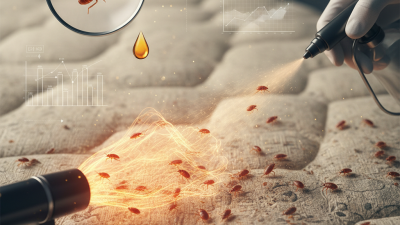
Bed bugs are resilient pests that can disrupt your sleep and health. For effective elimination, many people seek non-chemical remedies. One popular method is heat treatment. High temperatures can kill all life stages of bed bugs. Typically, temperatures above 120°F (49°C) are lethal. It’s crucial to monitor the heat distribution, ensuring every corner reaches this level.
Another alternative is steam treatment. This method uses high-temperature steam to penetrate furniture and bedding. It’s a safe way to target hard-to-reach areas. When using steam, maintain a consistent pace. Avoid moving too quickly, as this can leave some bugs unharmed.
**Tips:** It’s wise to seal items in plastic bags before treatment. This prevents reinfestation from any remaining bugs. Always follow up with thorough vacuuming and washing of linens at high temperatures. These combined efforts can enhance your success in eradicating bed bugs effectively.
What is the Best Bed Bug Treatment for Effective Elimination? - Non-Chemical Remedies: Heat Treatment and Other Alternatives
| Treatment Method |
Effectiveness |
Duration |
Cost Estimate |
Safety |
| Heat Treatment |
Highly Effective |
1 Day |
$300 - $1500 |
Safe for humans & pets |
| Steam Treatment |
Very Effective |
1-2 Days |
$100 - $400 |
Safe for humans & pets |
| Diatomaceous Earth |
Moderately Effective |
Varies |
$20 - $50 |
Generally safe, avoid inhalation |
| Essential Oils |
Somewhat Effective |
Varies |
$10 - $100 |
Generally safe for most, check allergies |
Preventative Measures: How to Avoid Future Bed Bug Infestations
Bed bugs can be a nightmare for homeowners. To prevent these pests from invading your space, consider some effective strategies. Regular inspections, especially in places like hotels and public transport, are crucial. Research shows that about 97% of pest control professionals encounter bed bugs in the last year alone. This indicates a rising trend in infestations. Early detection can save you time and money.
Seal cracks and crevices in your home. Bed bugs thrive in hidden spaces. A thorough decluttering can make your space less inviting, reducing potential breeding grounds. Wash bedding regularly at high temperatures. This is a simple yet effective preventive measure. Studies suggest washing at least once a week can minimize the risk significantly.
Educate yourself about the signs of bed bugs. Look for small, dark spots on mattresses and furniture. These may indicate infestations. Moreover, when traveling, inspect your accommodations carefully. Don’t hesitate to ask the staff about their pest control measures. Awareness and vigilance are key in avoiding future infestations.



 Products
 Search