Best Aerogel Insulation Options for Your Next Project?
In recent years, Aerogel Insulation has gained significant attention in the construction and manufacturing industries. With its remarkable thermal performance, this innovative material offers one of the highest insulation values available, reaching R-values above 10 per inch. According to a report by the Oak Ridge National Laboratory, Aerogel Insulation outperforms traditional materials by up to three times, making it a compelling choice for energy-efficient projects.
The lightweight nature of aerogel also contributes to lower transportation costs and easier handling on-site. However, the high production cost has limited its widespread adoption. Manufacturers are exploring new production techniques to make Aerogel Insulation more accessible. Studies indicate that improving cost-efficiency could potentially increase market penetration significantly.
As you consider your next project, weighing the benefits and drawbacks of Aerogel Insulation is essential. The material's potential to reduce energy consumption should not overshadow concerns regarding its initial investment. Balancing performance and cost will be key to its future use in both residential and commercial applications.
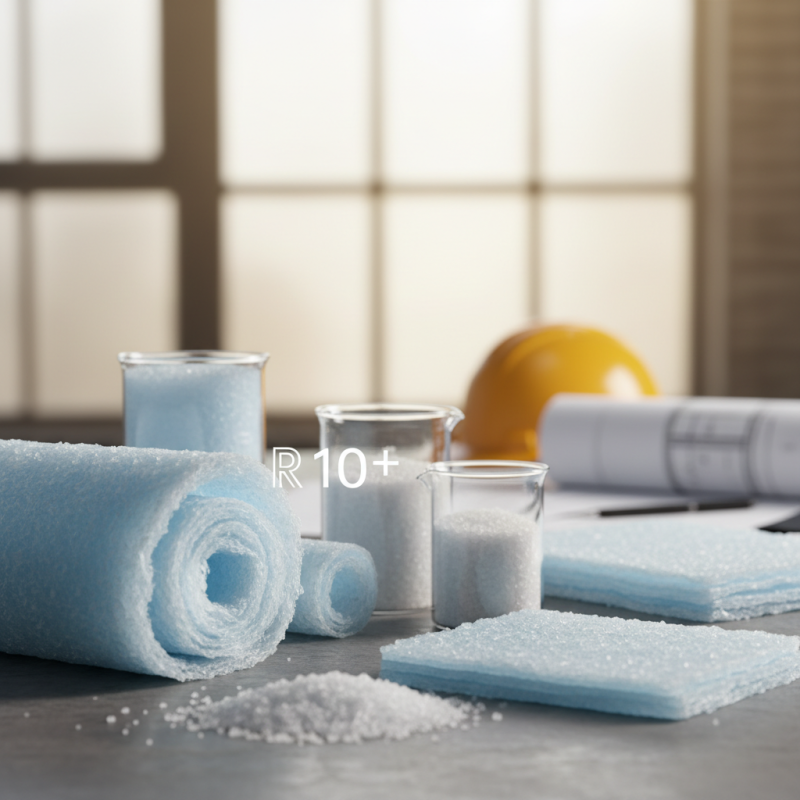
Understanding Aerogel: Properties and Benefits for Insulation
Aerogel is often called the world's lightest solid. Its unique structure makes it an excellent insulator. Composed of up to 99.8% air, aerogel is incredibly effective at minimizing heat transfer. This property is vital for energy efficiency in various applications. Many industries utilize aerogel for insulation, including aerospace, construction, and electronics. Its low thermal conductivity makes it a superior choice for thermal management.
In addition to its insulating abilities, aerogel is also hydrophobic. This means it repels water, resisting moisture absorption. This quality enhances its performance, especially in environments prone to humidity. However, handling aerogel requires care. It can be brittle and may break under stress. Users must consider this when selecting aerogel for projects. Despite these challenges, its remarkable properties often outweigh the downsides. Careful application and consideration are essential for success with aerogel insulation.
The versatility of aerogel opens doors to various innovative applications. From lightweight clothing to advanced thermal blankets, its uses are expanding. Still, ongoing research aims to improve its durability and reduce manufacturing costs. Aerogel represents a fascinating area of study. The potential for enhancing energy efficiency is significant, but it’s an evolving field that requires further exploration.
Types of Aerogel Insulation Materials Available in the Market
Aerogel insulation is gaining traction for various projects due to its exceptional thermal performance. It comes in several forms, each suitable for specific applications. The most common types include flexible aerogel blankets, rigid aerogel boards, and granulated aerogel. These materials exhibit unique characteristics, impacting their suitability depending on the project requirements.
Flexible aerogel blankets offer adaptability. They can fit into irregular spaces, making them ideal for retrofitting old structures. However, they may not provide the best R-value when compared to their rigid counterparts.
Rigid aerogel boards, on the other hand, offer superior insulation, perfect for new construction. Yet, they may require careful handling due to their brittleness.
Granulated aerogel is less common but very effective in loose-fill applications, providing a versatile option for various insulation needs.
Choosing the right aerogel type means balancing performance with practicality. Not all aerogels are suitable for every environment. A project might demand high thermal resistance and moisture control. In contrast, others may prioritize ease of installation. Understanding these distinctions can aid in making informed decisions, despite the complexities involved. Each aerogel type comes with its advantages and trade-offs that can shape your project's outcome.
Comparative Analysis: Aerogel vs. Traditional Insulation Options
When considering insulation options, it's essential to compare aerogel and traditional materials. Aerogel insulation is known for its exceptional thermal performance. It is significantly lighter and thinner than foam and fiberglass. This can be advantageous in projects where weight and space are critical.
Traditional insulation materials, like fiberglass, are widely used and easy to handle. They are cost-effective and have a long history of reliability. However, fiberglass can trap moisture, leading to mold issues. Aerogel, on the other hand, minimizes this risk due to its hydrophobic nature.
Tip: Always assess the environmental conditions of your project site. Choose a material that suits your specific needs. Aerogel might be pricier upfront, but its durability and efficiency could save you money in the long run.
While aerogel shines in performance, it can be challenging to install. Its delicate structure requires careful handling. Tip: Consider hiring a professional for aerogel installation. This ensures that you maintain its integrity for optimal insulation. Balancing costs with performance is vital for successful project outcomes.
Application Areas: Where to Use Aerogel Insulation Effectively
Aerogel insulation is gaining traction in various sectors due to its exceptional thermal performance. One of the primary areas for effective use is building construction. Homes and commercial buildings benefit from aerogel's low thermal conductivity, which can be as low as 0.013 W/m·K. This means they can maintain energy efficiency while achieving thinner walls. This characteristic is particularly useful in urban settings where space is at a premium.
Another significant application area is in the oil and gas industry. Aerogel blankets are used to insulate pipelines that transport crude oil and natural gas. According to a report by the International Association of Oil & Gas Producers, effective insulation can reduce heat loss by up to 80%. This not only ensures efficient operation but also minimizes energy consumption and costs over time.
Despite its advantages, there are challenges. Aerogel can be more expensive than traditional materials. Additionally, installation requires special skills to prevent damage. It's essential to weigh these factors against the benefits in energy savings and performance. Exploring all possible usages of aerogel insulation may enhance project outcomes significantly.
Installation Guidelines for Aerogel in Your Next Project
When working with aerogel insulation, proper installation is crucial to maximize its benefits. Understanding the material's unique properties can enhance your project's efficiency. Aerogel is lightweight and effective, but it can be fragile. Handle it with care to avoid damage during installation. Use protective gear, like gloves and goggles, to ensure safety.
Preparation is key. Ensure all surfaces are clean and dry before applying aerogel. Measure carefully to cut the aerogel to size. Use sharp tools for clean edges. Gaps can significantly reduce insulation performance. After cutting, secure the aerogel using appropriate fastening methods. Adhesives or mechanical fasteners work well, but avoid compressing the material too much.
Ventilation is often overlooked. Ensure that the area is well-ventilated during installation. This helps to avoid moisture buildup, which can impair aerogel. Keep in mind that aerogel's performance might vary based on environmental factors. Always double-check your work before sealing up walls or roofs. Small errors can lead to larger issues down the line, so be thorough.



 Products
 Search