2026 How to Source Printed Aluminum Foil for Global Markets?
In recent years, the demand for Printed Aluminum Foil has surged globally. This growth is driven by the packaging industry's rapid expansion. According to a market analysis by Grand View Research, the aluminum foil market is expected to reach $38.5 billion by 2026. Companies are increasingly prioritizing sustainable and innovative packaging solutions.
Notably, Printed Aluminum Foil offers customization opportunities that attract various sectors. It provides not only functionality but also branding potential. Many companies overlook the importance of sourcing high-quality printed materials. However, the choice of suppliers significantly impacts product quality and market competitiveness.
Understanding global sourcing trends is critical. Economic fluctuations and local regulations can affect supply chains. Businesses must stay informed about these dynamics to avoid pitfalls. Engaging with industry experts can provide valuable insights into reliable sourcing methods. Exploring multiple vendors and assessing their capabilities could also enhance decision-making.
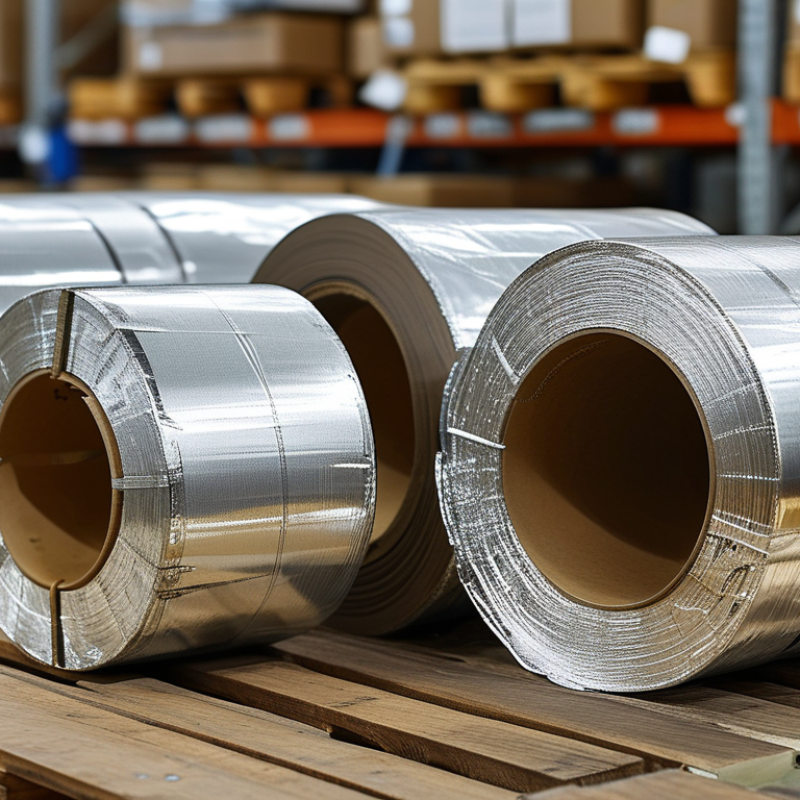
Understanding the Global Demand for Printed Aluminum Foil in 2026
In 2026, understanding the global demand for printed aluminum foil is crucial for suppliers and manufacturers. The food packaging sector relied heavily on printed aluminum foil in 2022, valued at approximately $3.1 billion. By 2026, this demand is projected to grow by 4.5% annually. Consumers prefer eye-catching packaging that enhances brand visibility and provides essential product information.
Companies must consider sustainability. A shift towards eco-friendly materials is rising. According to a recent report, 30% of consumers are willing to pay more for sustainable packaging. This trend challenges manufacturers to balance aesthetics and environmental responsibility. Sourcing printed aluminum foil may evolve. Suppliers need to be agile and responsive to market changes.
Look for reliable suppliers who meet industry standards. Verify their certifications to ensure quality. Keep an eye on market trends in design and technology. Attend industry trade shows, webinars, and forums. Networking with professionals can provide insights into upcoming challenges and opportunities in sourcing printed aluminum foil.
2026 How to Source Printed Aluminum Foil for Global Markets?
| Region | Estimated Demand (tons) | Growth Rate (%) | Key Applications |
| North America | 150,000 | 4.5 | Food Packaging, Pharmaceuticals |
| Europe | 180,000 | 3.8 | Beverage Packaging, Cosmetics |
| Asia-Pacific | 300,000 | 6.2 | Aluminum Foil Containers, Electronics |
| Latin America | 80,000 | 5.1 | Food Packaging, Household Products |
| Middle East & Africa | 60,000 | 2.9 | Construction Materials, Food Service |
Key Factors Influencing the Sourcing of Printed Aluminum Foil Globally
Sourcing printed aluminum foil for global markets requires careful consideration of several key factors. A recent industry report indicates that the global aluminum foil market is expected to reach USD 35 billion by 2026, driven by increasing demand in packaging sectors. This growth presents opportunities, yet challenges remain. Factors like supply chain sustainability, material availability, and production capacity must be critically analyzed.
Material sourcing is increasingly complex. An estimated 30% of aluminum foil production is concentrated in Asia, making regional variations significant. Quality assurance is vital. Variability in printing technology can influence product consistency. Additionally, shifting trade policies can impact sourcing decisions. Companies need to remain agile and informed to navigate these changes effectively.
Price volatility is another major concern. Fluctuations in raw material costs directly affect pricing strategies. According to recent data, raw aluminum prices have seen increases of approximately 8% year-on-year. Engaging with reliable suppliers who can provide transparent pricing can mitigate these risks. Understanding these dynamics is essential for effective sourcing in a competitive global landscape.
Identifying Reliable Suppliers of Printed Aluminum Foil in Various Regions
Sourcing printed aluminum foil for global markets requires a thorough understanding of diverse suppliers. Different regions may present unique opportunities and challenges. According to a report by Smithers Pira, the global packaging market is projected to grow to over $500 billion by 2026. Printed aluminum foil plays a vital role in this industry, especially for its barrier properties and aesthetic presentation.
When identifying reliable suppliers, focus on regional strengths. For instance, Asia-Pacific has emerged as a leading manufacturing hub due to cost-effective labor and raw materials. However, quality control and compliance with standards can vary greatly across these suppliers. Some manufacturers may lack certifications that ensure product safety and sustainability. It’s crucial to conduct due diligence and request samples, ensuring they meet industry standards.
Building relationships is essential, but it’s not always straightforward. Miscommunication can arise due to cultural differences and language barriers. Market research reveals that 30% of sourcing difficulties stem from inadequate supplier evaluation processes. Regular audits and on-site visits can mitigate these risks. Moreover, leveraging platforms that connect global suppliers can streamline your search. Evaluate suppliers not just on price but quality, reliability, and environmental practices.
Consider these strategies for effective sourcing. Always maintain a checklist for evaluation. Look for verified certifications and real customer reviews. Seek out suppliers who offer transparent pricing and flexible terms. This proactive approach can save time and reduce unexpected costs in the future.
Global Sources of Printed Aluminum Foil in 2026
This chart illustrates the projected market demand for printed aluminum foil in various global regions for the year 2026. As indicated, the Asia-Pacific region shows the highest demand, reflecting growing manufacturing and packaging needs.
Analyzing the Cost Implications of Sourcing Printed Aluminum Foil Worldwide
Sourcing printed aluminum foil for global markets requires a keen understanding of cost implications. The global aluminum foil market is expected to grow at a CAGR of 5.3% by 2026, driven by increasing demand in packaging, insulation, and decoration. However, sourcing costs can vary significantly based on region and production methods.
In 2023, reports indicated that raw aluminum prices surged by 20% due to supply chain disruptions and rising energy costs. These fluctuations impact the overall pricing of printed aluminum foil. For instance, sourcing from North America tends to be more expensive due to higher labor costs. In contrast, sourcing from Asia might offer lower prices but can involve longer shipping times and potential tariffs.
Understanding local regulations is crucial. Each country has different import duties and tax implications that can affect final costs. A miscalculation in cost estimation might lead to financial strain. Therefore, striking a balance between cost and quality when sourcing is essential. It's necessary to weigh the risks of sourcing from regions with lower production standards against potential savings. Analyzing these facets provides a clearer picture of sourcing implications for businesses venturing into the global market.
Sustainability Trends Affecting the Printed Aluminum Foil Industry in 2026
The printed aluminum foil industry is undergoing significant changes shaped by sustainability trends in 2026. Producers are increasingly focused on eco-friendly materials. Consumers prefer products with lower carbon footprints. This shift is pushing manufacturers to innovate while maintaining quality and aesthetic appeal.
Many businesses are exploring biodegradable inks and recyclable substrates. These materials help in reducing waste and pollution. However, sourcing these sustainable options can be challenging. Often, suppliers may not provide sufficient information on the materials used. Building strong connections with reputable suppliers is essential for ensuring transparency.
Investing in research can help companies stay ahead of trends. Understanding material certifications is critical. Companies should assess their supply chains regularly. Engaging with sustainability experts can provide valuable insights and lead to better sourcing decisions. Balancing sustainability with profitability remains a complex task. Strive for continuous improvement while navigating this evolving landscape.



 Products
 Search