10 Best Air Picks for Global Buyers?
Choosing the right Air Picks for global buyers requires more than comparing glossy product photos. Air quality varies sharply between a busy apartment in Bangkok, a dry home in Madrid, and a smoke-affected room in California. A suitable pick must match local voltage, filter availability, room size, noise tolerance, and verified performance. Price matters, but replacement costs matter longer.
Dr. Joseph G. Allen, director of the Harvard Healthy Buildings program, has said, “Buildings are a public health intervention.” His view gives this guide a practical foundation. An air purifier, monitor, or ventilation device is not merely a lifestyle accessory. It can influence comfort, concentration, and exposure to indoor pollutants when used correctly. Yet no product solves every air problem. That deserves honesty.
This selection of 10 Best Air Picks for Global Buyers? examines measurable features, independent certifications, maintenance demands, and real-world usability. We consider clean-air delivery, sensor accuracy, energy consumption, and filter design. We also look at details people often discover too late, such as an unavailable replacement filter or a loud fan beside the bed. Small details matter.
Some rankings remain imperfect. Testing conditions differ across countries, and manufacturer claims may not reflect daily use. We will question those gaps rather than hide them. Readers should still check local standards and consult qualified professionals when serious health concerns exist. The goal is not to promise perfect air. It is to support a careful, informed choice.
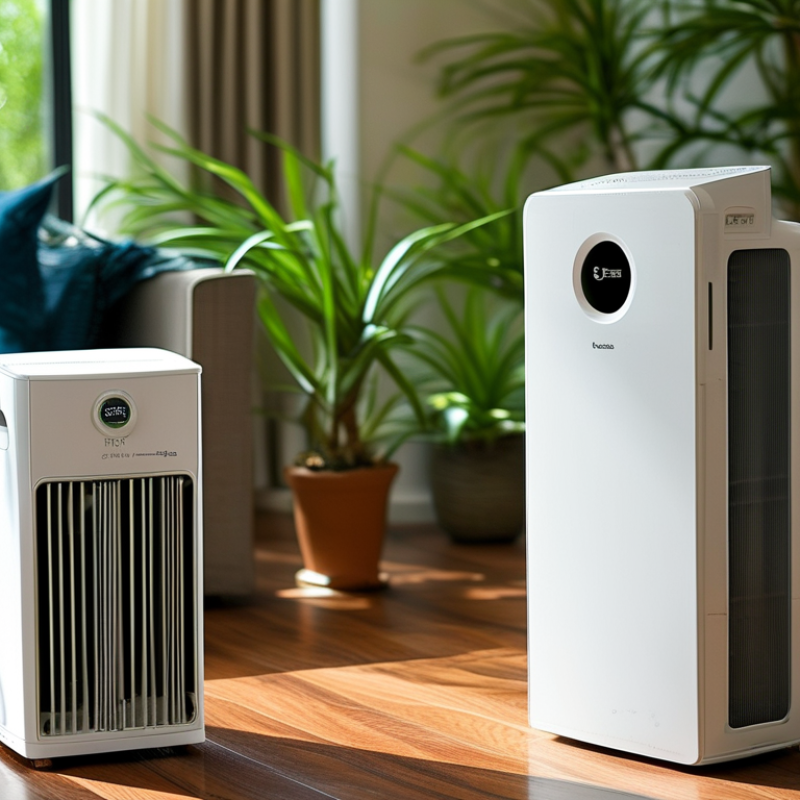
Understanding Air Products and Their Main Uses
For global buyers, “air products” cover more than household purifiers. The ten most useful picks include air purifiers, compressors, pumps, dryers, filters, blowers, fans, inflators, air tools, and oxygen concentrators. Each serves a different purpose. Purifiers reduce airborne particles in bedrooms, clinics, and offices. Compressors power tools and support factory equipment. Pumps move air through packaging, laboratories, and wastewater systems. Dryers remove moisture from compressed-air lines, where condensation can damage valves. Filters capture dust, oil mist, or fine particles before air reaches sensitive equipment.
Use cases matter more than attractive specifications. A purifier for a 20-square-meter room needs a different airflow rate than one for a warehouse. Check clean-air delivery, filter availability, noise levels, voltage, and maintenance access. For compressors, compare working pressure, tank capacity, duty cycle, and actual output. A small workshop may need steady airflow rather than a large peak rating. Outdoor buyers should also check temperature limits and local electrical standards. Details like a drain valve or washable pre-filter can save time every week.
I have seen buyers focus on purchase price and overlook replacement parts. That choice can become expensive. Some technical claims also deserve independent testing. Rated performance may change with humidity, dust, altitude, or poor installation. Oxygen concentrators require careful medical guidance, while industrial blowers need proper guarding and ventilation. The best selection is not always the most powerful one. It is the product that matches the air quality, workload, environment, and available maintenance skills.
Key Factors for Comparing Air Picks Worldwide
10 Best Air Picks for Global Buyers
Comparing air products worldwide requires more than reading a glossy performance claim. Check the clean air delivery rate, tested room size, filter efficiency, noise level, and energy use. A product may perform well in a laboratory but struggle in a dusty, humid apartment. I have found that measured airflow often matters more than impressive marketing language. Look for independent test reports, clear manuals, and published maintenance instructions.
Tips: Match the voltage before ordering. Confirm plug compatibility and filter availability in your country. Test noise levels near a bed, not only across a showroom. Also inspect warranty terms, service locations, and return costs. These details can decide whether a strong device remains useful after six months.
Global buyers should compare operating costs, not just purchase prices. A low-cost unit may need frequent filter changes or consume more electricity. Consider local pollution, room layout, seasonal humidity, and replacement-part delivery times. Certification marks can support safety checks, but they do not guarantee perfect performance in every home. My own comparison process is still imperfect; room measurements and user habits can distort results. That is why cautious buyers should compare several verified specifications and treat vague promises as unproven.
Top Air Picks for Different Buyer Needs and Budgets
10 Best Air Picks for Global Buyers?
Top Air Picks for Different Buyer Needs and Budgets
A suitable air purifier depends on room size, pollution levels, and daily habits. For small bedrooms, compact units with a verified HEPA filter can offer affordable particle control. Check the clean air delivery rate, not just the advertised coverage. A quiet setting below 30 decibels may also support better sleep. In my experience, oversized units often clean faster, but they can waste energy and space.
For families, choose a medium or large purifier with strong airflow, washable pre-filters, and widely available replacement filters. Homes near busy roads may need higher particle performance. Buyers sensitive to odors can consider activated carbon, although thin carbon sheets rarely remove smells for long. Avoid devices that intentionally produce ozone. Independent test results are more useful than dramatic marketing claims.
Budget buyers can start with a basic filter model and replace filters on schedule. Premium buyers may value air-quality sensors, automatic modes, and lower operating noise. International shoppers should confirm voltage, plug type, warranty coverage, and local filter availability. No model wins every room. My own preference changes when noise, electricity costs, or maintenance becomes the real daily problem. A high rating means little if the filter is difficult to find.
10 Best Air Picks for Global Buyers? - Top Air Picks for Different Buyer Needs and Budgets
| No. | Air Pick Type | Best For | Recommended Room Size | Clean Air Delivery Rate | Filtration System | Typical Noise Range | Typical Power Use | Estimated Price | Key Buying Advantage |
| 1 | Compact Entry-Level Air Purifier | Bedrooms, study rooms, and small apartments | Up to 20 m² | 100–150 m³/h | Pre-filter plus particulate filter; optional carbon layer | 24–50 dB(A) | 10–35 W | US$50–90 | Low purchase cost and compact placement for personal spaces |
| 2 | Quiet Bedroom Air Purifier | Light sleepers, nurseries, and nighttime use | 15–30 m² | 120–220 m³/h | Pre-filter, fine-particle filter, and activated carbon | 20–45 dB(A) | 8–40 W | US$80–150 | Low-speed operation and sleep-mode controls reduce nighttime disturbance |
| 3 | Value Mid-Range Air Purifier | General household use on a moderate budget | 25–45 m² | 200–350 m³/h | Washable pre-filter, HEPA-type particle filter, and carbon filter | 25–55 dB(A) | 15–60 W | US$120–220 | Balanced airflow, filtration, operating cost, and replacement availability |
| 4 | High-CADR Family Air Purifier | Open-plan living rooms and larger shared spaces | 40–70 m² | 350–550 m³/h | Large-area particle filter with activated-carbon odor layer | 28–60 dB(A) | 25–85 W | US$180–350 | Higher air turnover helps process large room volumes more quickly |
| 5 | Pet and Odor-Focused Air Purifier | Homes with pets, cooking odors, and visible dust | 25–55 m² | 250–450 m³/h | Washable pre-filter, particle filter, and thicker activated-carbon media | 27–58 dB(A) | 20–75 W | US$150–300 | Stronger pre-filtration and carbon capacity support odor and hair control |
| 6 | Allergy-Oriented HEPA Air Purifier | Buyers prioritizing fine-particle and seasonal-allergen reduction | 25–50 m² | 250–500 m³/h | Sealed particle-filtration system using a high-efficiency HEPA filter | 25–57 dB(A) | 20–80 W | US$180–400 | High particle-removal capability when correctly sized and maintained |
| 7 | Smart-Sensor Air Purifier | Users who want automatic operation and air-quality feedback | 25–60 m² | 250–500 m³/h | Pre-filter, particle filter, carbon layer, and particulate sensor | 25–58 dB(A) | 15–80 W | US$200–450 | Automatic fan adjustment based on detected particle levels |
| 8 | Low-Energy Air Purifier | Long daily operation and electricity-conscious households | 20–45 m² | 180–350 m³/h | Efficient motor with replaceable particle and carbon filters | 23–52 dB(A) | 5–45 W | US$130–280 | Lower operating demand can reduce long-term electricity expenses |
| 9 | Portable Travel Air Purifier | Hotel rooms, workspaces, and frequent travelers | Up to 12 m² | 30–90 m³/h | Compact particle filter with a small carbon layer | 25–48 dB(A) | 2–15 W | US$40–120 | Lightweight design, USB or low-voltage power, and easy transport |
| 10 | Premium Whole-Room Air Purifier | Large homes, premium interiors, and demanding users | 50–100 m² | 450–800 m³/h | Multi-stage filtration with high-capacity particle and carbon media | 28–62 dB(A) | 30–120 W | US$350–800 | High airflow, advanced monitoring, and broader coverage for large spaces |
Note: Specifications and prices are representative ranges for generic air-purifier categories sold internationally. Actual performance depends on room size, ceiling height, operating speed, filter condition, local voltage, certification requirements, and replacement-filter costs.
Regional Considerations for Global Air Product Buyers
10 Best Air Picks for Global Buyers?
Regional Considerations for Global Air Product Buyers
“Best” changes with the room, climate, and electrical system. The World Health Organization reported in its 2022 air quality update that 99% of people breathe air above recommended pollution limits. Buyers in dense cities may prioritize fine-particle filtration, while households in humid regions need moisture control and washable components. Check clean-air delivery rate, filter availability, noise levels, and tested energy use. A powerful unit is not always the practical choice.
Voltage and frequency can decide whether an air product performs safely. Many markets use 100–127 volts, while others use 220–240 volts. Frequency may be 50 or 60 hertz. Confirm these details before shipment. The International Energy Agency reports that buildings consume about 30% of global final energy. Efficient motors and automatic operating modes therefore matter beyond the purchase price. Local replacement filters matter too. A low-cost device becomes expensive when imported parts take months to arrive.
Climate creates another dividing line. The 2023 Global Cooling Watch report projects cooling demand could more than triple by 2050 without stronger efficiency measures. Hot regions may require high airflow and reliable heat protection. Coastal buyers should examine corrosion resistance. Cold, dry areas may need humidification rather than stronger purification. Standards are not perfectly comparable, and published test results can miss real household conditions. That limitation deserves attention. Ask for independent laboratory data, warranty terms, and service capacity in the destination market.
How to Choose the Right Air Pick for Your Market
10 Best Air Picks for Global Buyers?
How to Choose the Right Air Pick for Your Market
Choosing an air pick starts with the work, not the catalog. A light tool may suit brick repair, while dense concrete needs stronger impact energy. Check the required operating pressure and air consumption carefully. Pressure matters. Your compressor must deliver stable airflow during continuous use. A mismatch causes weak blows, overheating, and unnecessary downtime.
Market conditions also shape the right choice. In humid regions, corrosion-resistant fittings and simple drainage access are valuable. In colder areas, seals must remain flexible during early morning work. Weight matters when operators use the tool beside walls or above shoulder height. Lower vibration can reduce fatigue, but it may affect impact strength. That trade-off needs field testing.
Review local safety requirements before importing equipment. Confirm hose connections, noise limits, protective equipment guidance, and available replacement parts. A translated manual helps, but clear diagrams help more. Ask suppliers for test data, maintenance intervals, and expected service life under similar workloads. Keep records. A small trial on the actual material can reveal more than polished specifications. No checklist is perfect. I would also question unusually low prices, because missing seals or poor after-sales support can cost more later. Choose a tool that local technicians can understand, repair, and maintain without unusual equipment.
10 Best Air Picks for Global Buyers — How to Choose the Right Air Pick for Your Market
Typical compressed-air consumption by application at approximately 6.2 bar (90 psi). These representative values are based on common pneumatic air-pick operating ranges and are intended to support market selection, compressor sizing, and tool matching.
Lower-consumption air picks are generally suitable for light masonry, stone dressing, and utility work. Higher-consumption models are better suited to heavy paving, demolition, and continuous concrete breaking, but they require larger compressors and adequate air-line capacity. Always confirm pressure, air consumption, impact rate, weight, and local safety requirements before purchasing.



 Products
 Search